
The Ultimate Guide to Soil Restoration: Everything You Need to Succeed with Rhizo Logic®
By Jeremy Standring
At Regen Soil, we believe that the secret to a thriving garden or a profitable farm isn't found in a bottle of synthetic NPK; it is found beneath your feet. Soil is not just a medium to hold plants upright; it is a complex, breathing ecosystem. When we talk about soil restoration, we are talking about returning that ecosystem to its peak functional state.
In this guide, we’ll explore how to transition from traditional "dirt" management to a high-performance Living Soil system using our signature Rhizo Logic® approach. Whether you are a home enthusiast or a large-scale commercial operator, understanding the interplay between biology and chemistry is the first step toward true agricultural independence.
Understanding the "Why" Behind Soil Restoration
For decades, conventional agriculture has treated soil like a chemistry set. If a nutrient was missing, we added a salt-based fertilizer. If a pest appeared, we applied a pesticide. This "linear thinking" has led to degraded land, compacted earth, and plants that are essentially on life support.
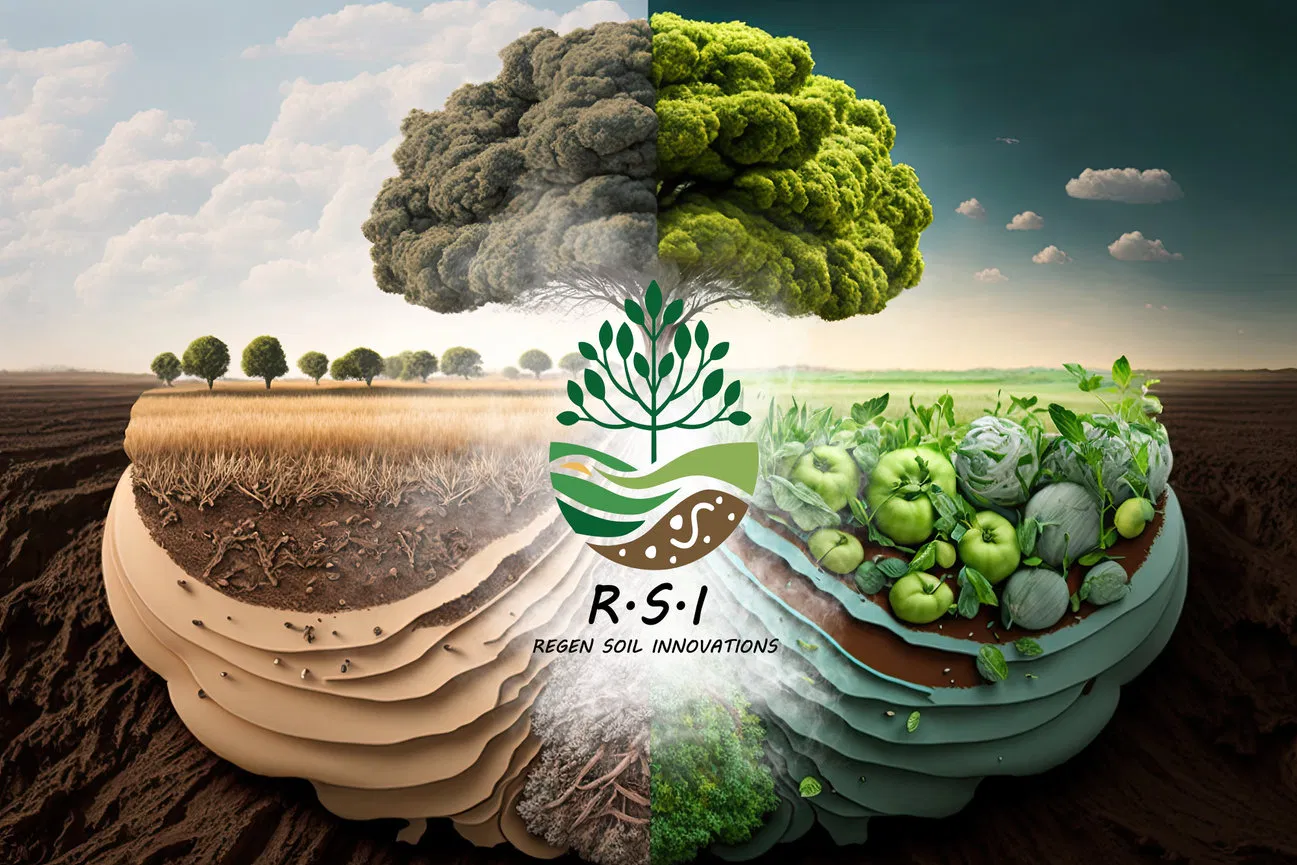
Regenerative agriculture shifts the focus toward systems-thinking. We look at the soil as a biological engine. When that engine is restored, it provides:
- Nutrient Cycling: Microbes break down organic matter and minerals into plant-available forms.
- Water Retention: Healthy soil structure acts like a sponge, reducing the need for constant irrigation.
- Pest Resistance: A diverse soil microbiome creates a competitive environment where pathogens struggle to take hold.
The Core of the System: Rhizo Logic® Living Soil
The term Rhizo Logic® represents our proprietary philosophy of working with nature rather than against it. When we refer to Living Soil, we are describing a medium teeming with beneficial bacteria, fungi, protozoa, and nematodes.
Why Biological Diversity Matters
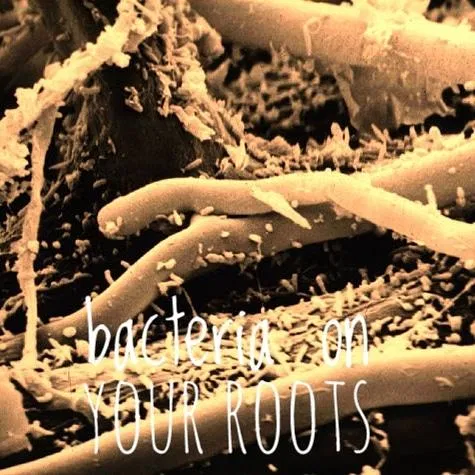
In a sterile or degraded environment, plants are vulnerable. By using Rhizo Logic® products, you are inoculating your growing medium with a "probiotic" boost. We focus specifically on the rhizosphere, the area immediately surrounding the plant roots, because that is where the most critical biological transactions occur.
For a deeper dive into how these microscopic architects work, check out our post on the hidden world of soil protozoa.
The Three Pillars of Restoration
To succeed with soil restoration, we must address three interconnected pillars: Physical, Chemical, and Biological.
1. The Physical Pillar (Structure)
Soil structure refers to how soil particles (sand, silt, clay) are held together. In restored soil, microbes produce "glues" like glomalin that create aggregates. This creates pore space for air and water. Without this, your soil becomes compacted, leading to root rot and poor drainage.
2. The Chemical Pillar (Minerals)
We don't ignore chemistry; we balance it. Using an Initial Soil Health (ISH) Assessment, we identify mineral imbalances. Instead of flooding the soil with salts, we use targeted amendments that the biology can then process and deliver to the plant.
3. The Biological Pillar (The Life)
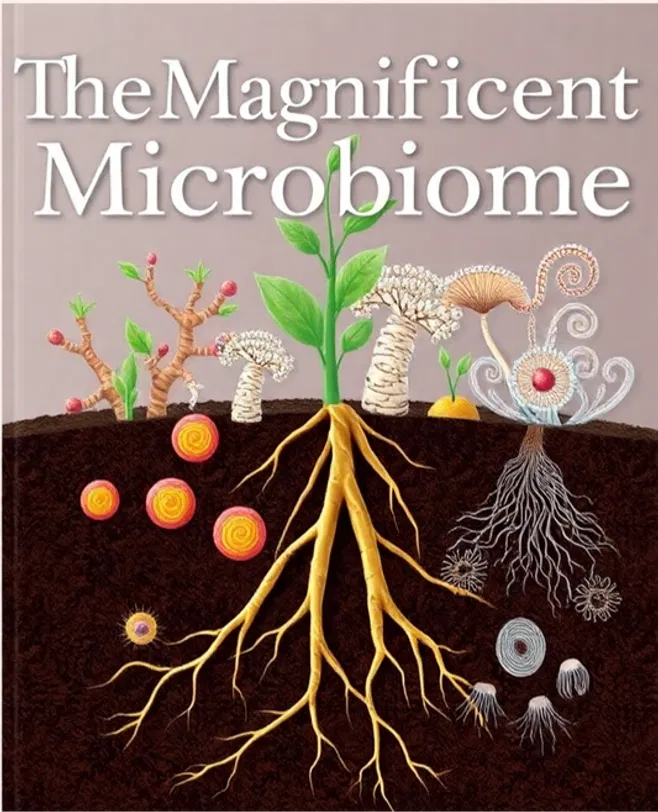
This is where Rhizo Logic® shines. We introduce specific microbial populations designed to unlock tied-up phosphorus, fix nitrogen, and build the "soil food web."
Getting Started: A Step-by-Step Guide to Success
For Beginners: Start Small and Build
If you’re just starting, don't overcomplicate it. The easiest way to experience the power of regenerative practices is to start with a high-quality base. Our 5 Gallon Living Soil setup is designed to give you a pre-colonized environment that is ready for planting.
- Stop Tilling: Breaking the soil destroys the fungal networks (mycelium) that are vital for plant health.
- Keep it Covered: Use mulch or cover crops to protect the microbes from UV rays and temperature swings.
- Inoculate: Use Rhizo Logic® inputs to ensure the "good guys" are present from day one.
For Experienced Growers: Optimization
If you already have an established grow, restoration is about fine-tuning. We recommend regular testing to monitor nutrient cycling efficiency. You may find that your soil has plenty of minerals, but your plants can't access them because the biology is dormant.
In these cases, we often recommend a "re-boot" using the RSI Method, which focuses on high-frequency, low-dose microbial inoculations to keep the population active.
For Commercial Operations: Scalability
Large-scale restoration requires data. We use tools like the Regen Soil Pulse to monitor real-time metrics. When you can see your EC, moisture, and temperature on a mobile interface, you can make informed decisions that save thousands in wasted inputs.

Case Study: From Compaction to Abundance
We recently worked with a mid-sized organic farm that was struggling with "lazy" plants and high pest pressure. Their soil was heavy clay and felt like concrete when dry.
- The Assessment: Our ISH Assessment revealed extremely low fungal activity and a massive excess of potassium, which was locking out calcium and magnesium.
- The Intervention: We implemented a no-till transition, applied targeted minerals, and drenched the field with Rhizo Logic® microbial tea.
- The Result: Within one season, the soil tilth improved significantly. The farmer reported a 20% increase in yield and, more importantly, a 50% reduction in water usage because the soil could finally hold onto moisture.
Enhancing the System with Terrabiotics
While Rhizo Logic® focuses on the foundational living soil, we often pair our restoration strategies with Terrabiotics products for an extra edge. Specifically, Bio-boost acts as a high-octane fuel for the microbes we’ve introduced. Think of Rhizo Logic® as the engine and Bio-boost as the premium fuel that keeps the biological activity at peak performance during heavy flowering or fruiting stages.
Comparison: Living Soil vs. Conventional Hydroponics
| Feature | Rhizo Logic® Living Soil | Conventional Hydro/Salt-Based |
|---|---|---|
| Nutrient Source | Biological breakdown of organic matter | Synthetic mineral salts |
| Flavor/Aroma | Enhanced terpene profiles due to diverse microbes | Often standardized or "chemical" |
| Sustainability | Carbon-sequestering, reusable soil | High waste, salt runoff |
| Maintenance | Focus on ecosystem balance | Constant pH/EC monitoring |
| Resilience | High (buffered against mistakes) | Low (errors show up instantly) |

Common Misconceptions in Soil Restoration
"It takes years to see results."
While building deep topsoil takes time, the functional benefits of restoration, better water infiltration and plant vigor, can often be seen within weeks of introducing Rhizo Logic® biology.
"Organic growing is always 'living soil'."
Not necessarily. You can grow organically using sterilized bottled nutrients that kill off the soil life. True Living Soil requires an active microbial community that actively interacts with the plant's roots.
FAQs: Mastering Your Soil
Q: Can I use Rhizo Logic® with my current nutrient line?
A: Yes! However, we recommend avoiding heavy synthetic salts, as they can dehydrate and kill the very microbes you are trying to establish. If you must use them, use them at a lower concentration.
Q: How often should I re-apply microbial inoculants?
A: We suggest a maintenance dose every 2-4 weeks. This ensures that even if environmental stressors (like heat waves) occur, your microbial populations remain robust.
Q: Is soil restoration expensive?
A: It is an investment that pays for itself. By restoring the soil's natural ability to feed the plant, you drastically reduce your expenditure on fertilizers and pesticides over time.
Join the Regeneration Movement
Soil restoration isn't just a trend; it's a necessity for the future of our planet and our health. By adopting a Rhizo Logic® system, you aren't just growing plants: you’re cultivating life.
If you’re ready to see what's actually happening beneath the surface of your garden, we invite you to book an Initial Soil Health Assessment. Let’s stop guessing and start growing with precision.
Have you noticed a change in your soil structure after moving away from synthetics? Tell us about your journey in the comments below!


