
5 Steps How to Restore Topsoil and Revive "Dead" Dirt (Easy Guide for Home Gardeners)
By Jeremy Standring
In our years of consulting on soil health, we have encountered countless home gardeners who feel defeated by "dead" dirt. You know the kind: it’s dusty when dry, a muddy mess when wet, and seems to reject every seed you plant. At Regen Soil, we don't believe in "bad" soil; we believe in soil that has lost its biological rhythm.
To restore topsoil is to engage in regenerative agriculture on a micro-scale. It is the process of transitioning from a sterile medium to a thriving ecosystem. This guide provides a technical yet practical 5-step roadmap to transform your backyard dirt into a high-performance living soil environment.
Understanding the "Dead" Dirt Dilemma
Before we dive into the steps, we must define what we are fixing. "Dead" dirt is characterized by a total lack of microbial populations, collapsed soil structure (compaction), and a broken nutrient cycle. In a healthy system, plants provide carbon to microbes, and in exchange, microbes "mine" minerals for the plants. When this relationship ceases, the soil dies.
Our goal is to reintroduce Rhizo Logic® (our philosophy of Living Soil) into your garden beds.
Step 1: Conduct an Initial Soil Health Assessment (ISH)
We cannot fix what we do not understand. Most gardeners jump straight to adding fertilizer, which is often the equivalent of giving a sick person a multivitamin without diagnosing the illness.
We recommend starting with an ISH Assessment. This isn't just a pH test; it’s a deep dive into the biological and physical state of your soil.
- Physical Check: Can you push a screwdriver into the ground easily? If not, you have severe compaction.
- Biological Check: Do you see earthworms? Is there a "sweet" earthy smell (geosmin), or does it smell sour/metallic?
- Texture Analysis: Determine if your base is sand, silt, or clay. This dictates how we apply amendments.
Step 2: Clear, Prepare, and Address Compaction
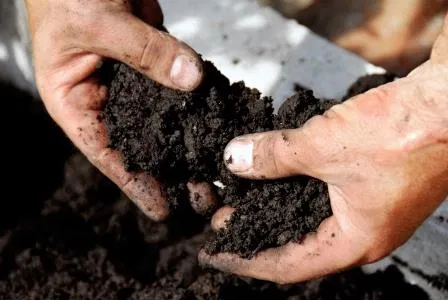
To restore topsoil, you must first clear the "canvas." Remove any invasive weeds or debris. However, we caution against heavy tilling. While it may seem like a quick fix for hard dirt, tilling shatters the delicate fungal hyphae and releases stored carbon into the atmosphere.
The "Low-Till" Approach:
If the soil is severely compacted, use a broadfork to gently crack the surface. This allows air and water to penetrate without turning the soil layers upside down. This preservation of horizons is critical for long-term soil restoration.
- Clear the area: Remove rocks and surface weeds.
- Aerate: Use a broadfork or garden fork to create air channels.
- Level: Ensure the area doesn't have standing water issues, which lead to anaerobic (deadly to roots) conditions.
Step 3: Re-Inoculate with Rhizo Logic® (The Living Soil Spark)
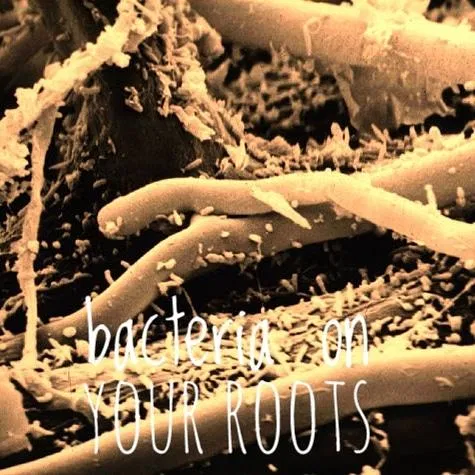
Once the physical structure is prepared, we must reintroduce the "workers": the microbes. This is where many gardeners fail. You can add all the compost in the world, but if the right bacteria and fungi aren't there to process it, the nutrients remain locked.
We utilize Rhizo Logic® principles to jumpstart this process. By using a high-quality 5-Gallon Living Soil inoculum or a specialized microbe tea, you are essentially "seeding" the soil with life.
The Science of Inoculation:
- Mycorrhizal Fungi: These create a secondary root system that increases water uptake by up to 10x.
- Nitrogen-Fixing Bacteria: These pull nitrogen from the air and "fix" it into a form the plant can eat.
- Protozoa & Nematodes: The "predators" that eat bacteria and release nitrogen as a byproduct.
Step 4: Fuel the System with Bio-boost (Terrabiotics)
Microbes need a food source to survive the initial transition. This is where specialized amendments like Bio-boost from Terrabiotics come into play.
Think of Bio-boost as a specialized fuel for your soil's microbial engine. While standard compost provides bulk, Bio-boost provides the specific enzymatic triggers and trace minerals needed to accelerate nutrient cycling.
A vs. B: Chemical Fertilizers vs. Bio-boost
| Feature | Chemical Fertilizer (NPK) | Bio-boost (Terrabiotics) |
|---|---|---|
| Action | Directly feeds the plant | Feeds the soil microbiome |
| Long-term Effect | Can kill beneficial microbes | Builds soil fertility over time |
| Leaching | High (pollutes groundwater) | Low (nutrients stay in the root zone) |
| Soil Structure | No improvement | Promotes "crumb" structure |
Step 5: Protect the Surface (Armor the Soil)
The final step is to ensure your newly revived soil doesn't die again. Exposed soil is "naked" soil; the sun’s UV rays will bake your microbes, and rain will wash away your topsoil.
We recommend two primary methods of protection:
- Mulching: Use organic straw, wood chips, or shredded leaves. This regulates temperature and provides a slow-release food source for fungi.
- Cover Cropping: This is the gold standard of regenerative agriculture. Plants like clover, vetch, or rye keep living roots in the ground at all times. For those growing specific high-value crops, check out our guide on how to use cover crops.

Case Study: From Barren Clay to Thriving Garden
Last year, we worked with a home grower in a new development where the topsoil had been scraped away by bulldozers. The remaining "dirt" was essentially subsoil clay. By following this 5-step method: specifically focusing on the Rhizo Logic® inoculation and heavy mulching: the gardener saw a 300% increase in plant biomass within a single season. The "dead" gray clay turned into dark, crumbly, chocolate-cake-like soil.
Expert Tips for Success
- Watering: When reviving soil, keep it moist but not saturated. Microbes need a "thin film" of water to move and eat.
- Patience: Soil restoration is a biological process, not a chemical one. It takes time for the sequestration of carbon and the building of fungal networks to fully take hold.
- Avoid "The Myth": Many think "dirt is dirt." In reality, the difference between dirt and soil is life. Always prioritize the biology.
Frequently Asked Questions (FAQ)
Q: Can I just buy bags of topsoil from the big-box store?
A: While you can, most bagged "topsoil" is sterilized or lacks the microbial diversity found in a true Living Soil. We recommend using those bags as a base and then inoculating them with Rhizo Logic® products to bring them to life.
Q: How long does it take to revive dead dirt?
A: You will see physical changes in 4-6 weeks, but a full restoration of the nutrient cycle typically takes one full growing season.
Q: Do I need to test my soil every year?
A: We recommend an annual ISH Assessment to track your progress and adjust your Bio-boost applications accordingly.
Join the Regeneration Movement
Restoring the health of our planet starts in our own backyards. By choosing to revive your soil rather than replace it with synthetic chemicals, you are contributing to a more sustainable and harmonious ecosystem.
If you’re feeling overwhelmed by your garden's progress, don't go it alone. We are here to help you navigate the complexities of soil biology.
What’s the biggest challenge you’re facing with your soil right now? Leave a comment below or reach out for a personalized consultation!
Explore our full range of Soil Health Solutions


