
The Ultimate Guide to Regenerative Organic Living Systems: Build a Garden That Feeds Itself
By Jeremy Standring
Let’s be honest: most modern gardening is just "plant life support." We buy the plant, we buy the plastic bottle of blue liquid, we dump it on, and we pray. If we stop the inputs, the plants stop growing. That’s not a garden; that’s a pharmacy.
At Regen Soil, we’re tired of the "pharmacy" model. We want to help you build a Regenerative Organic Living System. This isn’t just a fancy way of saying "organic gardening." It’s about building a biological machine, a self-sustaining ecosystem where the soil feeds the plants, the plants feed the soil, and you get to sit back with a cold drink and watch the magic happen.
In this guide, we’re going to dive deep into the science of living soil, the power of Rhizo Logic®, and how you can stop fighting nature and start working with it.
What is a Regenerative Organic Living System?
To understand regenerative systems, we have to look at the "why" before the "how." In a conventional system, the soil is basically just a placeholder, dirt that keeps the plant from falling over. In a living system, the soil is a thriving metropolis.
Regenerative agriculture is a system of farming principles and practices that increases biodiversity, enriches soils, improves watersheds, and enhances ecosystem services. When we apply this to your backyard or grow room, we are focusing on soil restoration. We aren't just trying to grow a big tomato; we are trying to restore the microbial populations that have been stripped away by decades of tilling and chemical use.
The Contrast: Chemical vs. Regenerative
| Feature | Conventional/Chemical | Regenerative Organic |
|---|---|---|
| Fertility | Synthetic salts (NPK) | Nutrient cycling via microbes |
| Soil Structure | Compaction/Dust | Aggregated, airy, and porous |
| Water Needs | High (leaches easily) | Low (retained by organic matter) |
| Pest Control | Toxic pesticides | Natural immunity and predator insects |
| Labor | High (constant spraying/feeding) | Low (system manages itself) |
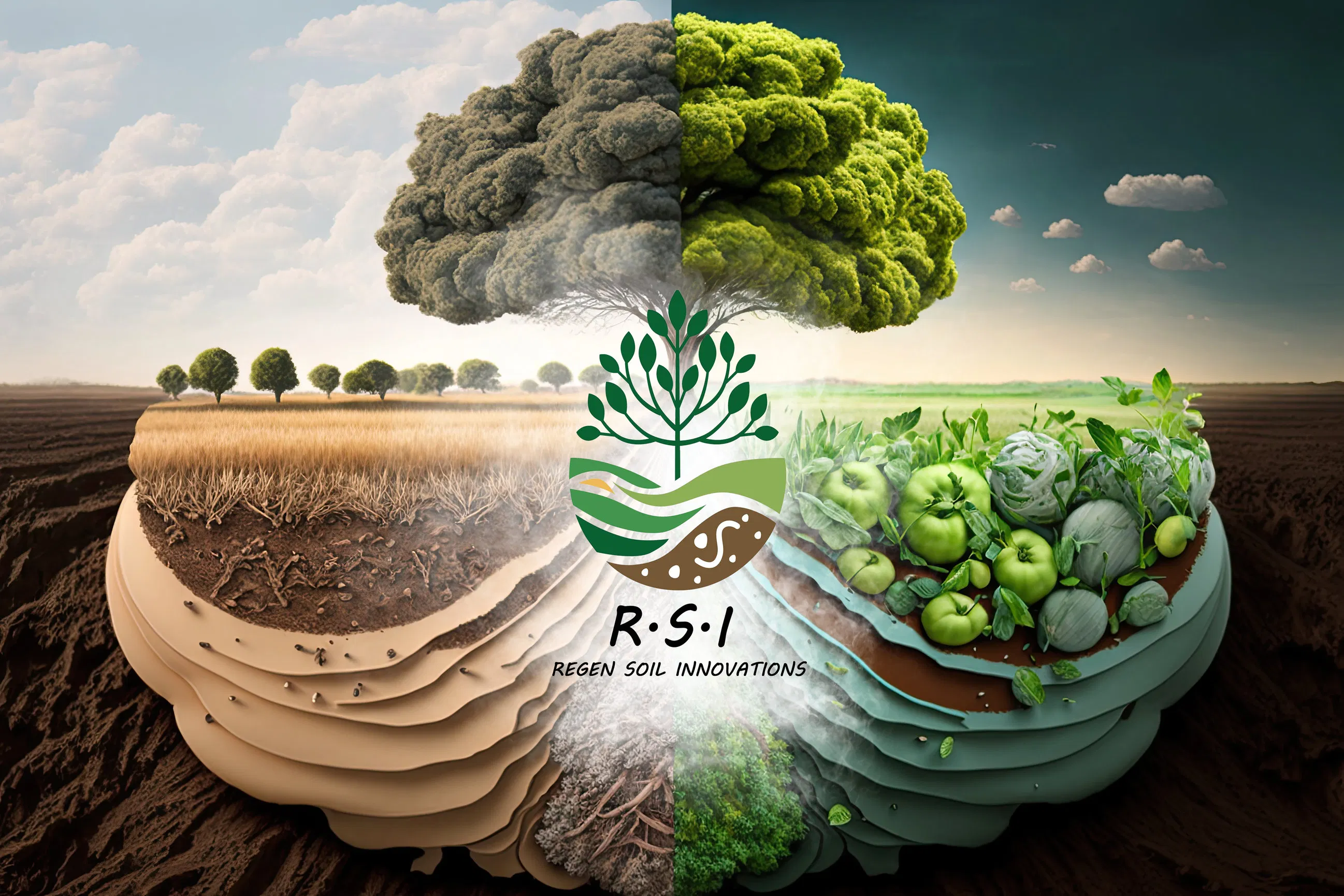
The Four Pillars of a Self-Feeding Garden
Building a system that feeds itself requires sticking to a few non-negotiable rules. If you follow these, the biology does the heavy lifting.
1. Minimal Soil Disturbance (No-Till)
Every time you turn the soil with a shovel or a tiller, you are essentially launching a nuclear strike on the soil food web. You shatter the fungal networks (mycelium) and expose delicate protozoa to the air where they dry up and die. We advocate for a "no-till" approach. By leaving the soil undisturbed, you allow the microbial architects to build the structure necessary for oxygen and water to reach the roots.
2. Living Roots Year-Round
Plants are the solar panels of the earth. Through a process called rhizo-deposition, plants pump up to 40% of their carbon energy down into the roots to feed the soil microbes. In return, the microbes "mine" minerals from the soil and give them to the plant. If you leave your soil bare over winter, your microbes starve. Use cover crops to keep the "pumps" running 365 days a year.
3. Maximum Biodiversity
Monocultures (growing just one thing) are a buffet for pests. Diversity is the immune system of the garden. By mixing vegetables, flowers, and herbs, you create a complex web of chemical signals that confuse pests and attract beneficial predators.
4. Soil Armor (Mulching)
Bare soil is dying soil. In nature, you never see bare earth unless something went wrong. Using mulch or "living mulch" protects the soil from the sun’s UV rays, which can sterilize the top layer of your living soil.
Deep Dive: The Rhizo Logic® Advantage
At Regen Soil, we’ve developed a proprietary approach to soil biology called Rhizo Logic®. While many people focus on just "compost," we focus on the specific root-microbe interactions that drive plant health.
Rhizo Logic® isn't just a product; it’s a philosophy of maximizing the "Rhizosphere": the area immediately surrounding the plant roots. This is where the real action happens. When you use our 5gal Living Soil or our microbial inoculants, you are introducing a curated team of beneficial bacteria and fungi designed to unlock locked-up nutrients.
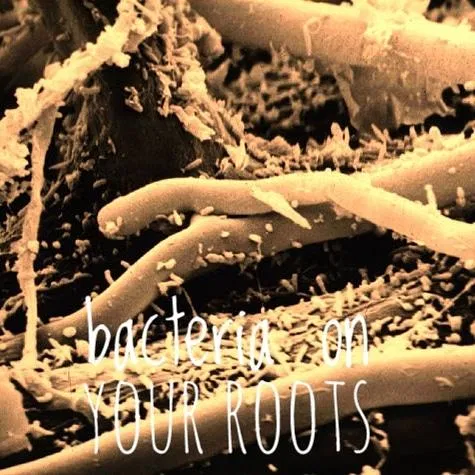
Why does this matter? Most soil actually has plenty of phosphorus, potassium, and micronutrients. The problem is they are "locked" in a chemical form the plant can't eat. Microbes are the only ones with the "keys" to these nutrients. By restoring the fungal/bacterial ratios, we allow the plant to eat on demand rather than being force-fed synthetic salts.
How to Build Your System: Step-by-Step
If you’re ready to transition from a consumer to a regenerator, here is the blueprint.
Step 1: The Initial Soil Health (ISH) Assessment
Before you add anything, you need to know what’s missing. Our ISH Assessment goes beyond a standard NPK test. We look at the biology. Are there enough protozoa to release the nitrogen? Is your fungal biomass high enough for perennial crops?
Step 2: Establish Your Base
For home growers, we recommend starting with a high-quality living soil base. If you're using containers, our RSI Method involves layering diverse organic amendments to ensure long-term fertility without the need for constant bottling.
Step 3: Inoculate and Stimulate
Once your soil is in place, you need to "turn on the lights." This is where high-quality microbial inputs come in. While we also recommend products like Bio-boost (a fantastic Terrabiotics product for general vitality), our Rhizo Logic® line is specifically tailored to the nuances of living soil systems and high-value crops like cannabis.
Step 4: The Closed Loop
Start a compost pile. Every leaf you prune and every kitchen scrap you save is a "deposit" in your soil's bank account. By returning these materials to the earth, you are practicing carbon sequestration right in your backyard.
 ](A person layering organic compost and straw mulch in a vibrant garden bed, showing the "lasagna" method of building soil.)
Advice for Every Level of Grower
For the Beginner
Don't overthink it. The biggest mistake beginners make is "loving their plants to death" with too many fertilizers. Start with a large container (at least 15 gallons for living soil) to provide a stable environment for the microbes. Keep it moist, keep it covered, and let the living soil do the work.
For the Experienced Grower
If you’ve already mastered organic growing, it’s time to look at microbial diversity. Are you brewing your own microbe teas? Are you monitoring your fungal-to-bacterial ratios? This is the difference between a "good" harvest and a "legendary" one.
For Commercial Operations
Regenerative systems aren't just for hobbyists. We help commercial farms scale these biological principles to reduce input costs and increase crop resilience. When you stop paying for synthetic fertilizers and start investing in your soil's natural capital, your bottom line thrives alongside your plants.
FAQ: Common Misconceptions
Q: Won't a regenerative garden have more pests? Actually, the opposite is true. Plants grown in a living system produce complex compounds called secondary metabolites (like terpenes). These act as a natural defense system. A healthy plant is a difficult target for a pest. Check out our guide on tackling fungus gnats for a biological approach to common issues.
Q: Is it more expensive to start? The "up-front" cost of high-quality living soil can be higher than a bag of cheap peat moss. However, because you aren't throwing the soil away after every run, and you aren't buying expensive nutrient lines, you typically save 40-60% over the first three years.
Q: Can I do this indoors? Absolutely. While regenerative agriculture started in the fields, the principles of soil health apply anywhere there is a root and a microbe. Indoor living soil is one of the fastest-growing segments of the industry.
Start Your Restoration Journey
At the end of the day, regenerative living systems are about harmony. We aren't just growing plants; we are stewarding life. When you fix the soil, you fix the plant, and you ultimately contribute to a healthier planet.
If you’re ready to stop the "liquid life support" and start building a garden that feeds itself, we’re here to help. Check out our Soil Health services or Meet Jeremy to learn more about our mission to restore the earth, one yard at a time.
What’s your biggest challenge with transitioning to living soil? Let us know in the comments below, or send us a message to start your ISH Assessment today!


