
Dirt vs. Living Soil: Why "Dead" Dirt Is Killing Your Spring Garden
By Jeremy Standring
It’s April 12th here in the Northeast, and if you’re anything like me, you’ve been staring out the window for weeks waiting for the ground to wake up. In Zone 6, we are right in the thick of that "spring itch." The sun is finally out, the air is losing its bite, and the temptation to head to the big-box store, grab some plastic bags of "garden soil," and start digging is almost overwhelming.
But before you pick up that shovel, we need to have a serious talk about the difference between dirt and living soil.
At Regen Soil, we live by a very simple mantra: Dirt is dead; Soil is alive. If you want a garden that thrives: one that produces nutrient-dense vegetables and vibrant flowers without needing a cocktail of synthetic chemicals: you have to stop treating your ground like a waste bin and start treating it like a living, breathing ecosystem.
The Dead Dirt Dilemma: Why Your Garden Is Struggling
Most conventional gardening treats the ground as nothing more than a structural support for plants. We’ve been conditioned to think that if we just add enough N-P-K (Nitrogen, Phosphorus, and Potassium) from a box, the plants will grow. This is what we call the "IV drip" method of gardening.
"Dead" dirt is characterized by a total lack of soil microbiology. It is often compacted, dusty, or heavy clay that has been stripped of its natural life through tilling, pesticide use, or synthetic fertilizers. When you plant in dead dirt:
- Nutrient Lockout: The minerals might be there, but there are no beneficial soil microbes to "unlock" them for the plant.
- Poor Water Retention: Dead dirt either sheds water like a duck’s back or turns into a muddy mess that chokes off oxygen.
- Pest and Disease Magnet: Plants grown in dead soil are stressed. Stressed plants send out chemical signals that practically invite pests and diseases to dinner.
If you’ve found yourself constantly fighting powdery mildew, aphids, or yellowing leaves despite fertilizing, the problem isn't your "black thumb": it’s your dead dirt.
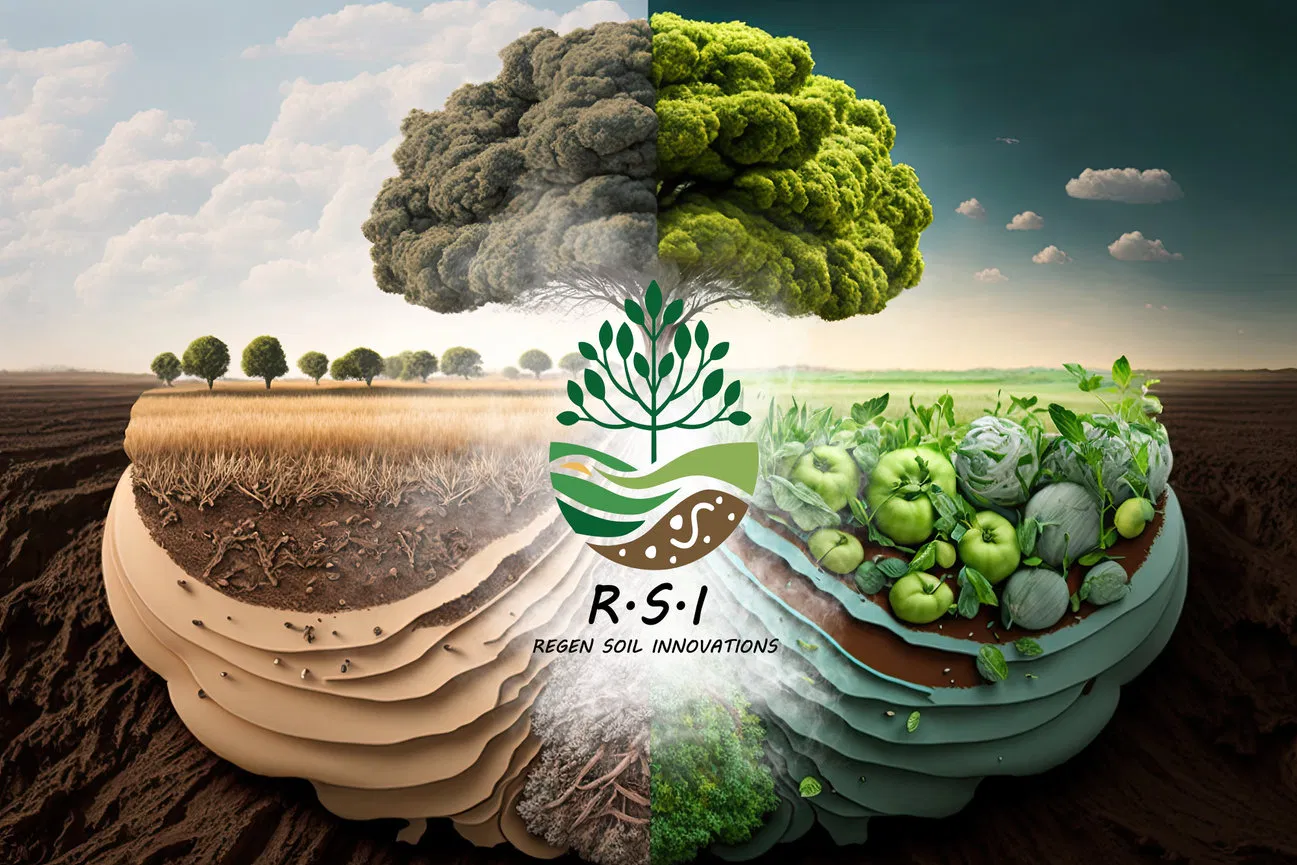
What is Living Soil? (The Regenerative Secret)
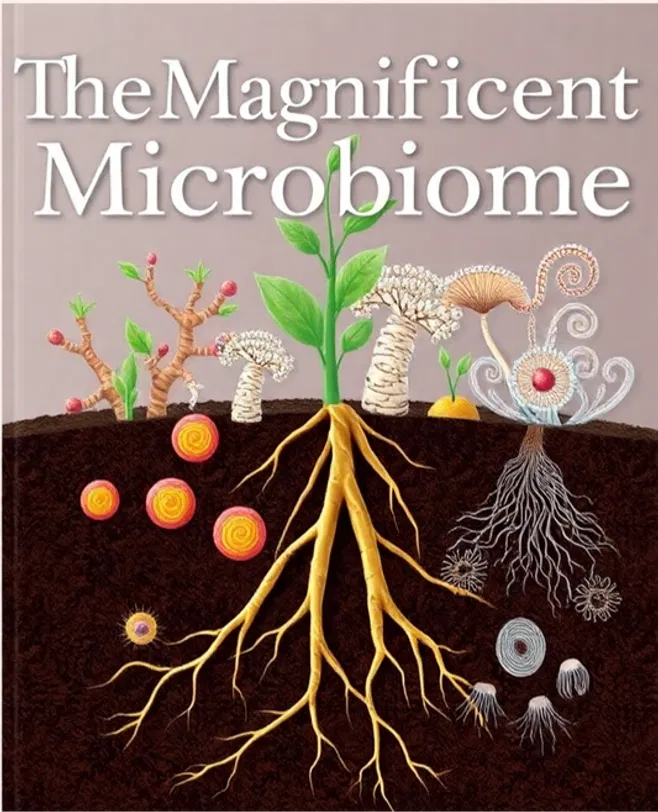
Living soil is a complex community of organisms working in harmony. We’re talking about a microscopic "underground city" filled with bacteria, fungi, protozoa, and nematodes. These organisms are the true architects of regenerative agriculture.
In a living soil system, the plant and the microbes have a "business deal." The plant captures sunlight and turns it into carbon-based sugars (exudates), which it pumps out through its roots into the soil. In exchange, the beneficial soil microbes consume those sugars and, in return, provide the plant with bioavailable nutrients, water, and even protection from pathogens.
This process is the foundation of the RSI Method, where we focus on restoring the biological integrity of the land rather than just dumping minerals on top of it.
Getting Your Zone 6 Garden Ready: The Regenerative Way
In Zone 6, our last frost date is usually hovering around late April or early May. This means right now: mid-April: is the perfect "priming" window. Here is how we recommend getting your beds and patio containers ready using regenerative principles.
1. Stop the Tilling
The first rule of soil health is to stop destroying the fungal networks. When you till, you’re basically running a hurricane through that underground city we talked about. Instead of tilling, use a broadfork to gently aerate the soil without turning it over, or simply top-dress with high-quality organic matter.
2. Wake Up the Microbes
In Zone 6, the soil is just starting to warm up. You want to jumpstart the soil microbiology before your main crops go in. We recommend applying a microbial inoculant like those found in our Rhizo Logic® line. These products aren't fertilizers; they are "probiotics" for your land. By introducing a diverse spectrum of microbes early, you ensure they are established by the time your seedlings' roots start looking for partners.
3. Focus on the Rhizosphere
The rhizosphere is the area immediately surrounding the plant roots. This is where the magic happens. Using Rhizo Logic® ensures that as soon as your plants hit the ground, they are immediately coated in beneficial bacteria and fungi. This creates a "biological shield" that helps with finding balance below and maximizes nutrient uptake from day one.
The Patio Gardener’s Shortcut: Full Living Soil Patio Kit
Not everyone has an acre of land to manage. Many of our community members are "patio pioneers," growing in pots and raised beds on decks. Patio gardening is actually harder on the soil because the volume is limited and the environment is more volatile.
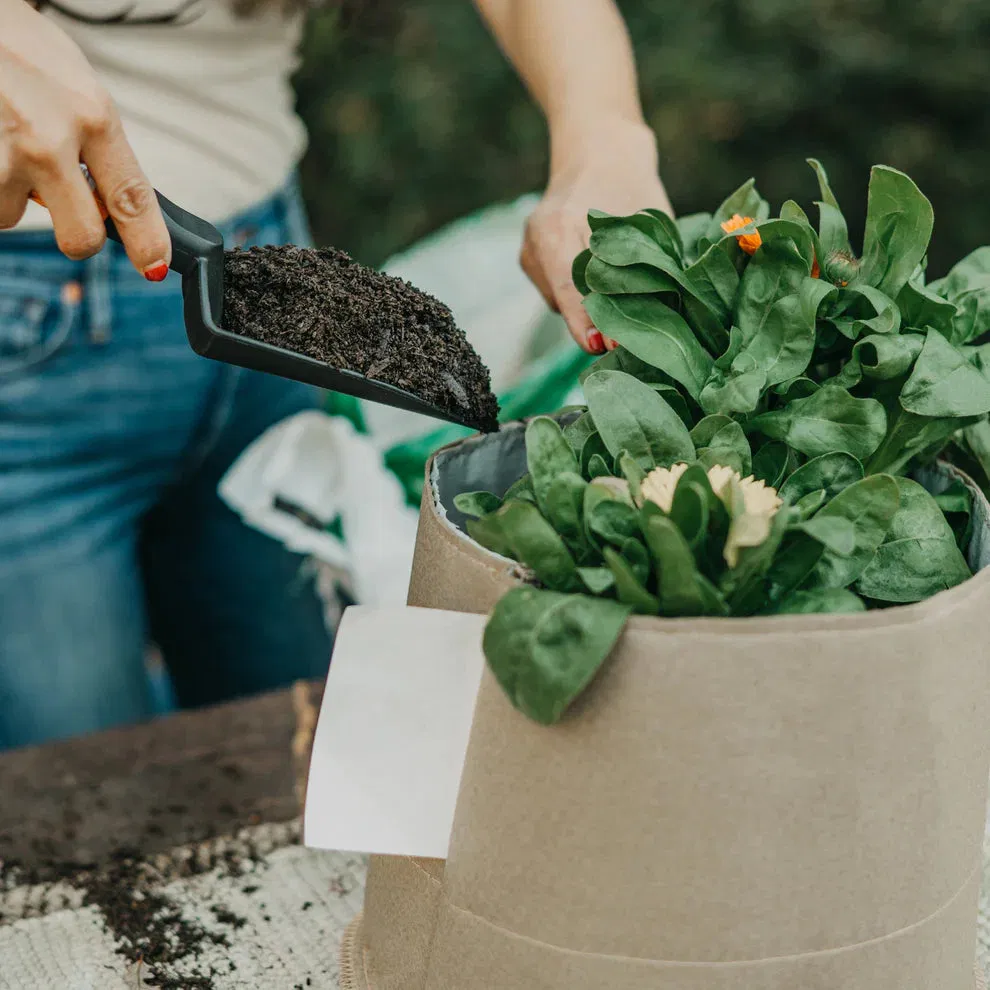
This is why we developed the Full Living Soil Patio Kit. Instead of buying a bag of sterilized peat moss that has zero life in it, our kits are designed to create a self-sustaining ecosystem in a container.
When you use our 5gal Living Soil setup, you aren't just planting a tomato; you're managing a mini-farm. The kit provides the structural components and the biological "starters" needed to maintain high-performance growth all season long without the need for constant synthetic feeding.
Deep Dive: The Science of Rhizo Logic®
You’ll hear us talk a lot about Rhizo Logic®. It is our proprietary line of biologically active products designed to bridge the gap between dead dirt and thriving ecosystems.
While many off-the-shelf products focus on a single strain of bacteria, Rhizo Logic® focuses on diversity. In the wild, soil isn't a monoculture. It’s a riot of different species. By using a diverse microbial profile, we provide the soil with the tools it needs to handle different stressors: whether that’s a heatwave in July or an unexpected late frost in May.
Note: If you are looking for an extra boost of plant vitality and structural strength, we often recommend pairing your soil prep with Bio-boost (a Terrabiotics product). While Rhizo Logic® builds the "house" (the soil), products like Bio-boost act like the high-quality "fuel" for the plants living inside it.
Quick Tips for Spring Success in Zone 6
- Mulch Early: Once you've prepped your beds and added your microbes, cover the soil. Bare soil is dying soil. Use straw, shredded leaves, or wood chips to protect your microbes from UV rays and moisture loss.
- Test, Don't Guess: If you're unsure if your soil is "living" or "dead," consider an Initial Soil Health Assessment. We can look under the microscope and tell you exactly who is home (and who is missing).
- Watch the Temperature: Microbes are like us: they don't like being frozen. Wait until the soil consistently stays above 45-50°F before doing your heavy microbial inoculations.
Frequently Asked Questions
Can I turn my existing backyard dirt into living soil?
Absolutely. It’s a process, not an overnight event, but by adding organic matter, avoiding tilling, and using beneficial soil microbes like Rhizo Logic®, you can transform even the most "dead" dirt into a thriving ecosystem over a single season.
Why shouldn't I just use liquid fertilizer?
Liquid synthetic fertilizers are essentially "fast food" for plants. They provide a quick hit of nutrients but do nothing to build the long-term health of the soil. In fact, many of them contain salts that actually kill the very microbes you need for a sustainable garden.
Is living soil more expensive?
Initially, there is an investment in quality amendments and biology. However, over time, your costs drop significantly. Living soil requires less water, fewer fertilizers, and almost no pesticides, saving you money and labor in the long run.
Final Thoughts from Jeremy
The transition from "dirt thinking" to "soil thinking" is the biggest hurdle for most gardeners. Once you realize that your job isn't to feed the plant, but to feed the soil so the soil can feed the plant, everything changes. Your garden becomes more resilient, your food tastes better, and you spend a lot less time fighting nature and a lot more time enjoying it.
If you’re ready to kick off your spring the right way, check out our blog for more deep dives into the world of microbiology. Let’s make this the year you stop gardening in the dirt and start growing in Living Soil.
What are you planting first this year? Drop a comment below or reach out to us for a personalized soil strategy!


