
The Ultimate Guide to Soil Microbiology: Everything You Need to Succeed with Regenerative Farming
By Jeremy Standring
For decades, modern agriculture has treated soil as little more than a structural medium, a place to hold plants upright while we dump synthetic chemicals into the system. At Regen Soil, we know that this "extractive" mindset is exactly what has led to the degradation of our farmlands. True sustainability doesn't come from a bag of 10-10-10; it comes from the complex, invisible world of soil microbiology.
If you want to succeed with regenerative agriculture, you have to stop thinking like a chemist and start thinking like a biologist. This guide is designed to take you deep into the "living" part of living soil, explaining how microbial communities function and how you can harness them to build a more resilient, profitable farm or garden.
What is the Soil Microbiome?
The soil microbiome is a vast, interconnected community of microorganisms, including bacteria, fungi, protozoa, and nematodes, that live in the soil. These organisms don't just exist; they perform critical services that no machine or chemical can replicate.
When we talk about soil restoration, we are essentially talking about restoring the balance of these populations. A healthy microbiome is responsible for:
- Decomposing organic matter into plant-available nutrients.
- Building soil structure (aggregation) to improve water infiltration and aeration.
- Suppressing plant diseases by outcompeting or attacking pathogens.
- Cycling nutrients like nitrogen and phosphorus so they don't leach away.

The Biological Engine: Humification vs. Mineralization
To master soil health, you must understand the two primary metabolic phases of the soil: Humification and Mineralization. Most conventional systems focus solely on mineralization, which is why their soil eventually dies.
1. Humification (The Fungal Process - Cool Season)
Humification is the process of building stable soil organic matter (humus). This is a slow, cool-temperature process driven primarily by fungal digestion.
- The Mechanism: Fungi break down complex compounds like lignin and lipids from crop residues.
- The Result: The formation of long-chain carbon structures that store nutrients and water.
- The Goal: This is the "rejuvenation phase." It turns raw waste into long-term fertility.
2. Mineralization (The Bacterial Process - Warm Season)
As the weather warms in the spring, the bacterial population takes over. Mineralization is the process of breaking down organic matter into its inorganic, mineral forms (like ammonium or phosphate) that plants can actually absorb.
- The Mechanism: Bacteria consume the carbon structures built during humification, releasing energy and nutrients.
- The Result: High nutrient availability for rapid crop growth.
- The Warning: If you have high mineralization without enough humification (common in tilled, chemical-heavy fields), you burn through your soil's "savings account," leading to carbon depletion and "dead" soil.
We utilize the RSI Method to ensure these two phases stay in balance, allowing your soil to regenerate even as it produces high yields.
The Rhizosphere: Where the Magic Happens
The most active part of the soil is the rhizosphere, the area immediately surrounding plant roots. This is the site of an incredible biological "trade deal."
Plants release root exudates (sugars, amino acids, and organic acids) into the soil. They are essentially feeding the microbes. In exchange, the microbes solubilize minerals and protect the plant from stress.
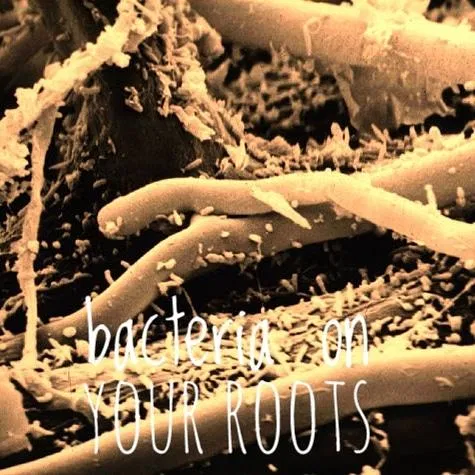
When you use Rhizo Logic® Living Soil, you are providing an environment where this exchange is optimized from day one. Rhizo Logic is designed to provide the specific microbial diversity required to colonize the rhizosphere immediately upon germination.
4 Pillars of Regenerative Soil Management
Transitioning to a biological system requires a shift in management practices. We recommend focusing on these four core principles:
1. Maintain Living Roots Year-Round
Microbes need food. Without living roots to provide exudates, microbial populations crash. Cover crops are essential for keeping the "biological engine" idling during the off-season.
2. Maximize Below-Ground Biodiversity
A monoculture above ground leads to a monoculture below ground. By diversifying your plant species, you support a wider variety of microbes, which increases the system's resilience against disease.
3. Minimize Soil Disturbance
Tillage is like a localized earthquake for fungi. It shatters the fungal hyphae (networks) that are critical for humification. Soil restoration is much faster in no-till or low-till systems.
4. Optimize Inputs with Terrabiotics
Standard fertilizers can be toxic to delicate soil biology. Instead, we use Bio-boost (a Terrabiotics product) to "recharge" the soil. Ultra Bio-boost acts as a microbial catalyst, delivering the necessary biology and "food" to keep mineralization efficient without depleting your carbon reserves.
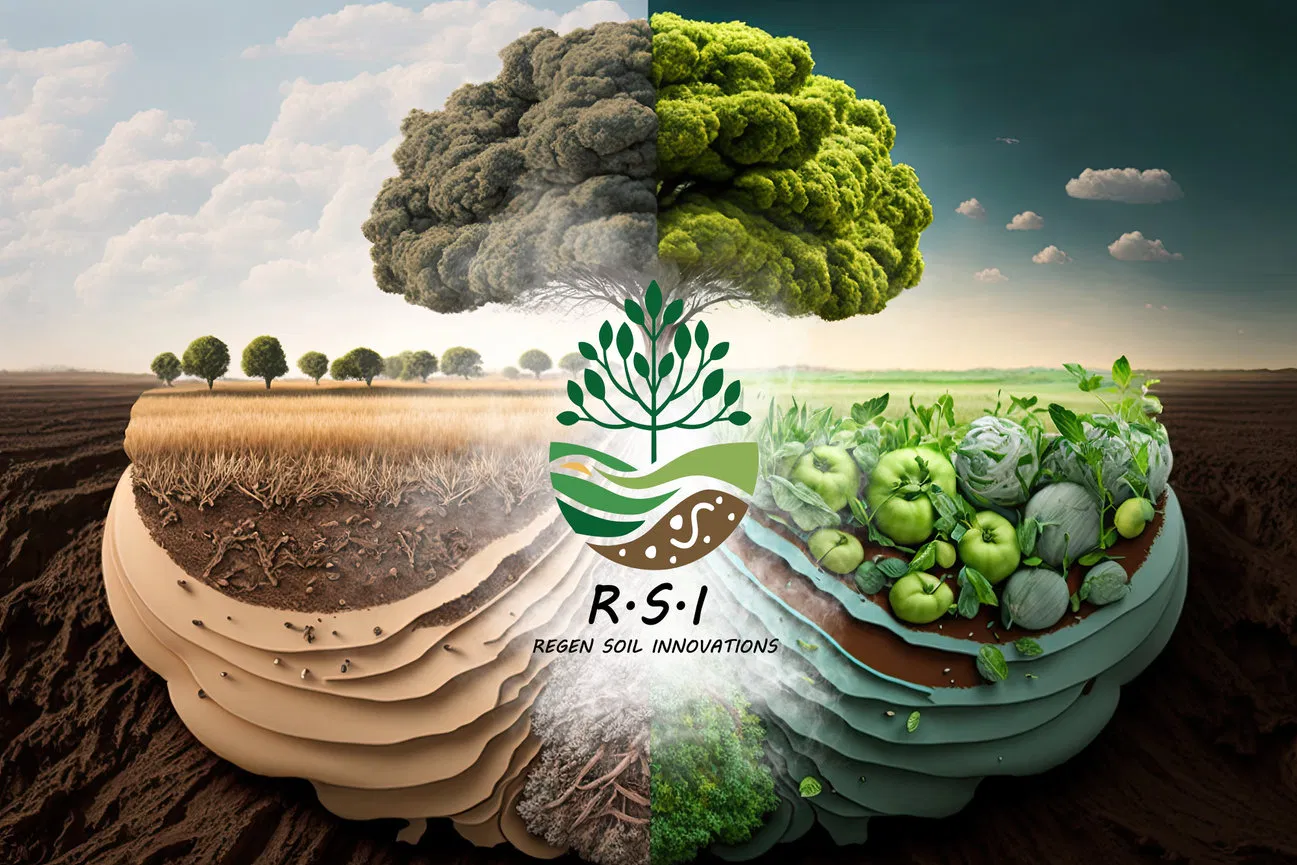
A vs. B: Living Soil vs. Conventional Growing
| Feature | Conventional Synthetic Farming | Rhizo Logic® / Regenerative Farming |
|---|---|---|
| Nutrient Source | Synthetic NPK (Water Soluble) | Microbial Cycling & Organic Matter |
| Soil Structure | Often compacted, low aeration | Highly aggregated, "chocolate cake" texture |
| Water Retention | Low; high runoff and leaching | High; soil acts as a biological sponge |
| Disease Pressure | High; requires frequent fungicides | Low; suppressed by microbial competition |
| Cost Profile | High annual input costs | Initial investment, then declining costs |
Technical Deep Dive: The Role of Mycorrhizal Fungi
One of the most important components of regenerative agriculture is Arbuscular Mycorrhizal Fungi (AMF). These fungi form a symbiotic relationship with about 80% of terrestrial plants.
They act as an extension of the root system, growing far beyond the reach of the roots themselves. AMF are particularly skilled at mining for phosphorus and transporting water from deep in the soil profile. In a "dead" soil system, these fungi are absent because they are killed by high-salt fertilizers and tillage. In a living soil system, they are the primary reason plants can survive extreme drought.
For a complete breakdown of these organisms, we recommend reading The Magnificent Microbiome, which serves as a technical manual for the species we include in our mixes.
Monitoring Success: Data-Driven Soil Health
You can't manage what you don't measure. In the past, soil testing only looked at chemistry (N, P, K, pH). Today, we look at biology.
We recommend starting with an Initial Soil Health (ISH) Assessment. This goes beyond basic nutrients to look at microbial activity and carbon-to-nitrogen ratios. Furthermore, modern technology allows us to monitor these metrics in real-time.

Using sensors and data tracking, we can see exactly how the microbiome is responding to our management. Are the moisture levels high enough for microbial motility? Is the EC (electrical conductivity) indicating healthy nutrient cycling or salt buildup? This data-driven approach removes the guesswork from soil health.
Practical Steps for Beginners
If you are just starting your journey into living soil, here is a simple roadmap:
- Stop the Bleeding: Reduce or eliminate the use of synthetic fungicides and high-salt fertilizers that kill soil life.
- Inoculate: Use a high-quality biological product like Rhizo Logic® to jumpstart your microbial populations.
- Feed the Soil: Apply organic mulches or compost tea to provide the "fuel" (carbon) the microbes need to work.
- Recharge Regularly: Use Bio-boost during the growing season to ensure that microbial populations remain high during periods of high plant demand.

Frequently Asked Questions (FAQ)
Is living soil more expensive than regular soil?
Initially, yes. However, Rhizo Logic® is an investment. Because it is a self-regenerating system, your need for external fertilizers and pesticides drops significantly over time, leading to a much higher ROI in the long run.
Can I use Bio-boost with my current fertilizer?
Yes, Bio-boost (Terrabiotics) is designed to enhance nutrient uptake efficiency. It helps convert those minerals into forms the plant can actually use, reducing waste and runoff.
How do I know if my soil microbiology is improving?
Look for "biological indicators": increased earthworm activity, better water infiltration (no puddling after rain), and a darker, rich smell to the soil (caused by geosmin, a byproduct of soil bacteria).
Does Rhizo Logic® work for all crops?
While the specific needs of a corn field differ from a patio garden, the principles of microbiology are universal. We offer everything from 5-gallon Living Soil for small-scale growers to commercial consulting for large operations.
Conclusion: Join the Regeneration
Soil microbiology isn't just a trend; it is the future of food security. By moving toward a living soil model, we can restore the health of our planet while growing more nutrient-dense, resilient crops.
We have seen the transformation firsthand on countless farms. Whether you are a backyard gardener or a commercial farmer, the microbes are ready to work for you. You just have to give them the right environment.
Ready to start your soil restoration journey?
Check out our Bio-boost shop to get started with Terrabiotics, or contact us for a personalized assessment of your land. Let’s grow something better, together.


