
Can Regenerative Farming Really Save Your Soil? 5 Success Stories That Prove It Works
By Jeremy Standring
For decades, the agricultural industry has been operating on a "subtraction" model. We take from the earth, we apply synthetic bandaids, and we cross our fingers that the next harvest won't be the one where the dirt finally gives up. But at Regen Soil, we believe there is a better way: one that doesn't just "sustain" a dying system but actively restores it.
Regenerative agriculture isn't just a buzzword; it is a fundamental shift in how we interact with the land. It is the practice of rebuilding organic matter and restoring degraded soil biodiversity. The goal is to create a self-sustaining ecosystem where the soil works for you, rather than you working against the soil.
But does it actually work on a practical level? Can we really reverse the damage done by years of heavy tillage and chemical dependency? We have looked at the data, and the answer is a resounding yes.
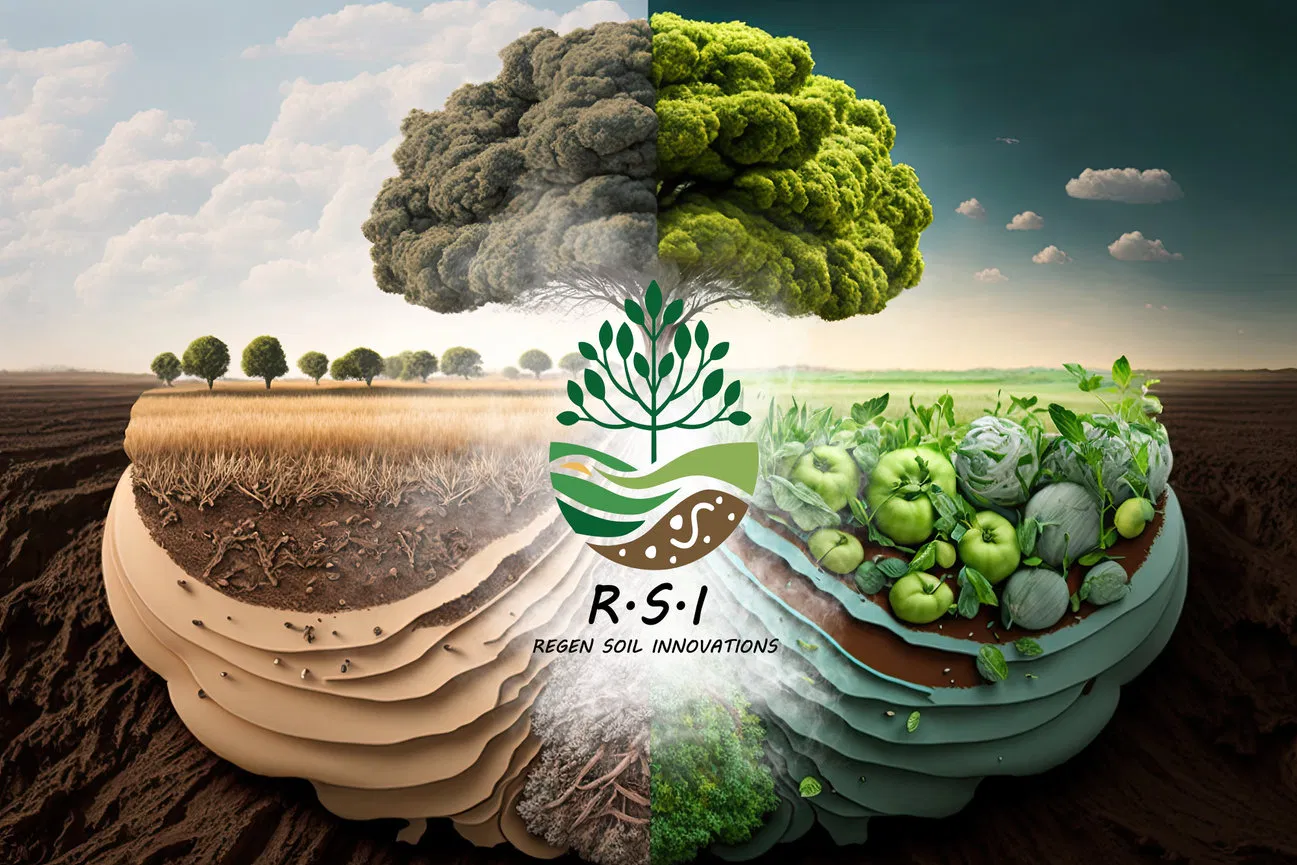
The 5 Success Stories That Prove the Power of Regeneration
1. Enos: The Closed-Loop Tea Revolution (Kenya)
In 2021, a tea farmer named Enos in the Mount Kenya region decided to move away from conventional, input-heavy methods. His soil was becoming tired, and his profits were thinning. By embracing regenerative principles, Enos transformed his plantation into a high-functioning, closed-loop ecosystem.
- The Strategy: He reduced reliance on external synthetic fertilizers and began nurturing the living soil through composting and diverse planting.
- The Result: Enos didn't just save his tea; he diversified. He integrated beekeeping, avocado orchards, and dairy farming. The waste from his livestock now feeds his vegetables, while chicken droppings nourish his tea plants.
- The Impact: His production increased significantly, and his yearly income skyrocketed. By focusing on soil health first, he created a resilient business that no longer fears a single crop failure.
2. Christine: Diversification and Erosion Control
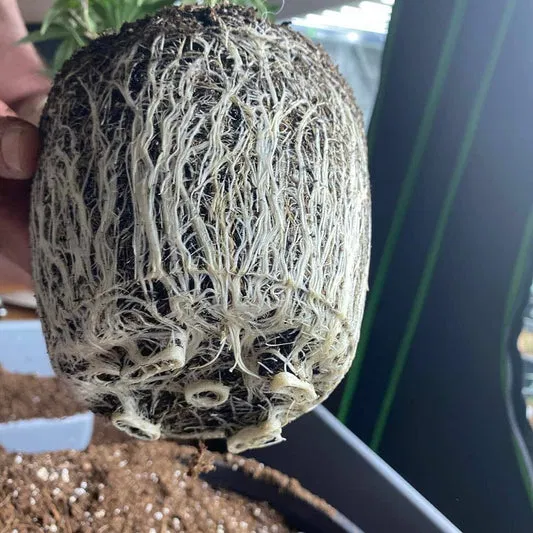
Christine, a coffee farmer, faced a common problem: monoculture-induced soil depletion and severe erosion. In 2022, she pivoted to a regenerative model that prioritized the rhizosphere: the area of soil directly influenced by root secretions and microorganisms.
- The Strategy: She implemented bench terraces to stop topsoil runoff and introduced cover crops and mulching to retain moisture.
- The Result: She moved from coffee monoculture to a "food forest" approach, growing macadamias, bananas, and mangoes alongside her coffee.
- The Impact: Christine now receives premium prices for her coffee as a certified regenerative farmer. Her soil is darker, richer, and holds water long after the rains have stopped.
3. Schiff Farms: Scaling to the Size of Los Angeles (USA)
One of the biggest myths is that regenerative farming only works on small "hobby" farms. Schiff Farms in the United States has debunked this. Managing an area roughly the size of Los Angeles, this operation has transitioned from conventional methods to regenerative practices at a massive scale.
- The Strategy: Large-scale implementation of no-till farming and complex cover crop rotations.
- The Technical Shift: They focused on carbon sequestration and reducing the "chemical load" on their acreage to allow native microbial populations to return.
- The Result: They have seen measurable improvements in soil structure and a drastic reduction in the need for synthetic nitrogen, proving that biology can replace chemistry even at an industrial scale.
4. Bec-Hellouin: The Forest-Garden Blueprint (France)
In France, the Ferme du Bec-Hellouin has become a global beacon for permaculture and regenerative design. They focus on a "forest-garden" approach that mimics natural ecosystems.
- The Strategy: Utilizing intensive, small-scale cultivation that relies on manual labor and high microbial activity rather than heavy machinery.
- The Result: Researchers found that their soil was sequestering carbon at rates far higher than surrounding conventional farms.
- The Impact: Their model proves that by focusing on living soil and multi-strata agroforestry, we can produce high yields on very small footprints while simultaneously healing the earth.
5. General Mills and the Corporate Pivot
It’s not just independent farmers; the commercial sector is noticing the ROI of soil health. General Mills has committed to advancing regenerative agriculture on one million acres of farmland by 2030.
- The Strategy: Partnering with farmers to implement the five principles of soil health: soil cover, minimizing disturbance, plant diversity, continual live roots, and livestock integration.
- The Result: Early pilot programs have shown increased biodiversity and improved water infiltration rates.
- The Technical Win: By backing these transitions with data, they are proving that soil restoration is the only way to secure the global food supply chain against climate volatility.

Technical Deep Dive: Why the Soil Responds
To understand why these success stories are possible, we have to look beneath the surface. Soil is not a static medium; it is a biological engine. When we use products like Rhizo Logic® Living Soil, we are not just adding nutrients: we are inoculating the system with life.
The Role of Rhizo Logic®
Rhizo Logic® is designed to address the microbial gap found in most modern soils. Conventional farming often "sterilizes" the soil, killing off the beneficial fungi and bacteria that plants rely on to "unlock" nutrients. Our Rhizo Logic® products focus on:
- Fungal Dominance: Establishing mycorrhizal networks that extend root reach.
- Nutrient Cycling: Using bacteria to convert atmospheric nitrogen and soil-bound phosphorus into plant-available forms.
- Structure: Building soil aggregates that allow for better oxygen and water flow.
Recharging with Bio-boost (Terrabiotics)
For those with existing soil that needs a jumpstart, we recommend a Bio-boost approach. Using Ultra Bio-boost Soil Recharge, growers can provide a concentrated dose of Terrabiotics. This isn't a fertilizer; it’s a biological catalyst. It reintroduces the diversity needed to restart the "engine" of a depleted field or garden bed.

Systems-Thinking: Conventional vs. Regenerative
We often get asked to compare the two approaches. Here is a breakdown of how the systems differ:
| Feature | Conventional Agriculture | Regenerative Agriculture (The RSI Method) |
|---|---|---|
| Primary Goal | Maximum Yield per Season | Long-term Ecosystem Vitality & Yield |
| Soil View | An inert medium for chemicals | A complex, living biological system |
| Nutrient Source | Synthetic NPK (Water-soluble) | Biological Nutrient Cycling (Microbe-driven) |
| Water Usage | High (due to poor retention) | Low (due to high organic matter/porosity) |
| Carbon Impact | Carbon Emitter (Tillage/Chemicals) | Carbon Sink (Sequestration) |
| Resilience | Low (Vulnerable to drought/pests) | High (Natural defense mechanisms) |
How to Start Your Restoration Journey
If you are looking at your land and seeing cracked, dusty soil, don't despair. We have seen total transformations in as little as one to three growing seasons.
For Beginners
Start small. Focus on one area and stop tilling. Introduce a high-quality living soil like Rhizo Logic® and keep the ground covered with mulch or living plants at all times.
For Commercial Operations
We recommend starting with an Initial Soil Health (ISH) Assessment. You cannot manage what you do not measure. We use data-driven analysis to see exactly which microbial populations are missing and create a tailored roadmap for your specific acreage.
FAQ: Common Questions About Regenerative Success
Q: Is regenerative farming more expensive?
A: Initially, there may be costs associated with cover crop seeds or biological inoculants like Bio-boost. However, we consistently find that over 3-5 years, the reduction in synthetic fertilizer and pesticide costs leads to higher net profits.
Q: Can I do this in a backyard garden?
A: Absolutely. In fact, backyards are the easiest place to see rapid results. Our Living Soil Patio Pro Kit is specifically designed for small-scale regenerative success.
Q: How do I know if my soil is actually "regenerating"?
A: Look for indicator species like earthworms, monitor your water infiltration (how fast water soaks in vs. puddles), and keep track of your soil's color. Darker soil generally indicates higher organic carbon. For precise data, use a monitoring tool like the one shown in our soil metrics interface.

Conclusion
The success stories of Enos, Christine, and Schiff Farms prove that we don't have to accept the "inevitable" decline of our soil. By shifting our focus from chemistry to biology, and from subtraction to regeneration, we can build a future where our farms and gardens are more productive, more resilient, and more in harmony with nature.
Are you ready to stop treating your soil like dirt and start treating it like a living ecosystem? Reach out to us at Regen Soil for a consultation, or browse our Rhizo Logic® collection to find the right biological tools for your journey. Let's grow something better together.


