
Regenerative Organic Living Systems 101: A Beginner’s Guide to Mastering Your Home Ecosystem
By Jeremy Standring
Welcome to the revolution. No, not the kind with pitchforks and shouting: the kind with earthworms, mycelium, and a whole lot of microscopic activity. If you’ve found your way here, you’re likely tired of the "chemical cocktail" approach to gardening. You’re done with the cycle of buying synthetic fertilizers that provide a quick green "hit" followed by a soil crash. You want something deeper. You want a regenerative organic living system.
At Regen Soil, we don’t just look at plants; we look at the entire ecosystem. Whether you have a sprawling backyard or a few pots on a sunny balcony, the principles of regenerative agriculture apply to you. It’s about moving past "sustainable": which essentially means just trying not to break things further: and moving toward "regenerative," which means actively making your environment better, healthier, and more productive than you found it.
What Exactly is a "Living System"?
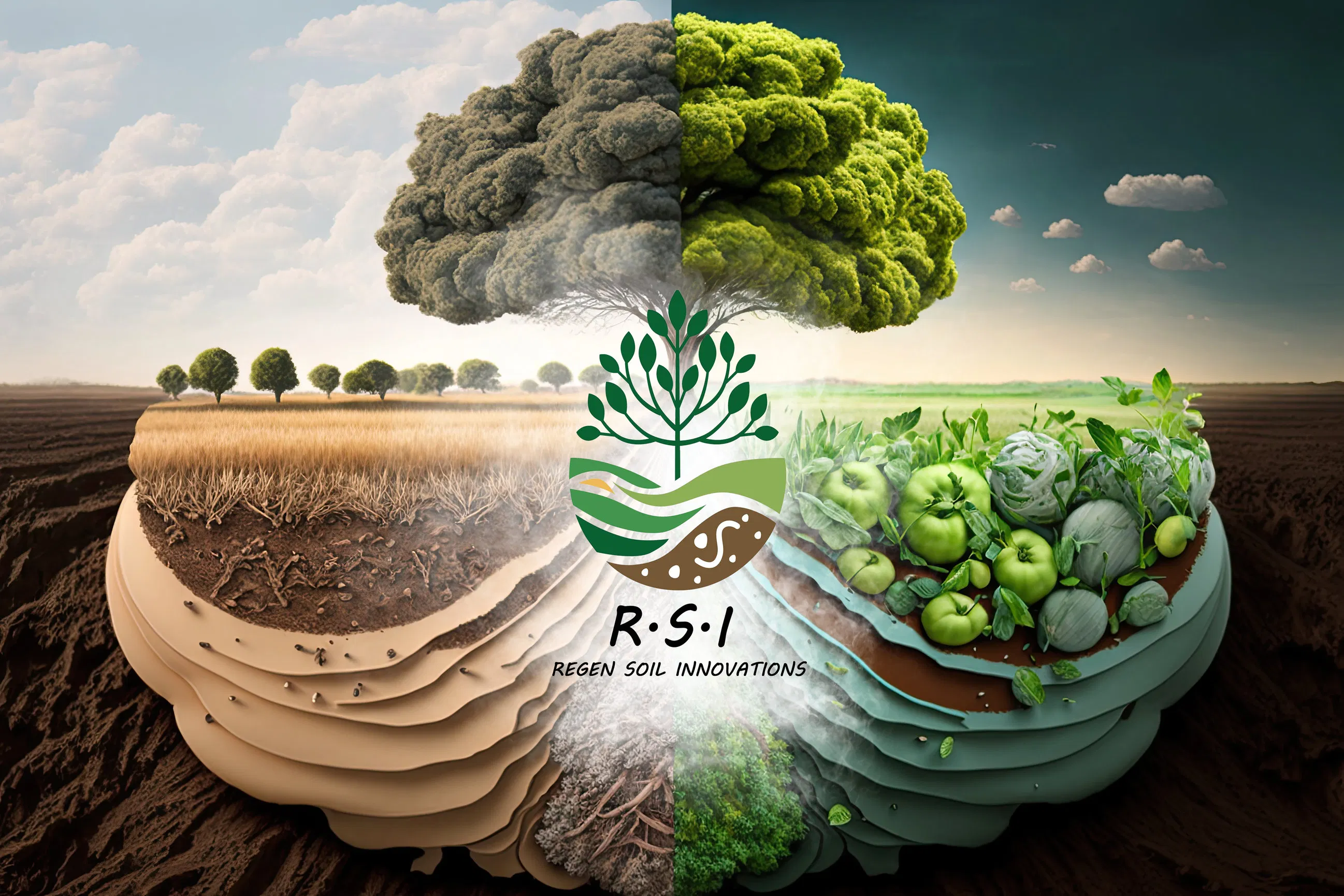
Most beginners start by thinking about "dirt." But here’s the first rule of Regen Club: Soil is not dirt. Dirt is what you find under your fingernails after a long day; it’s dead mineral matter. Soil, specifically living soil, is a thriving biological metropolis.
In a single teaspoon of healthy soil, there are more organisms than there are people on Earth. We are talking about bacteria, fungi, protozoa, and nematodes all working in a complex dance called the soil food web. When we talk about a "Living System" at home, we are referring to the intentional cultivation of these microbial populations to handle the heavy lifting of plant nutrition, pest resistance, and water retention for us.
The Core Philosophy: Biology Over Chemistry
In the old-school model, we treated plants like patients on an IV drip. If they looked yellow, we added nitrogen. If they didn't bloom, we added phosphorus. This approach ignores the fact that plants have spent millions of years evolving partnerships with microbes to get exactly what they need.
In a regenerative system, we shift our focus from "feeding the plant" to "feeding the soil." When you provide the right environment for microbial life, those microbes unlock nutrients from the soil minerals and deliver them directly to the plant roots. This process, known as nutrient cycling, creates a plant that is naturally more resilient to disease and drought.
Why Regenerative Organic?
- Carbon Sequestration: Healthy soil acts as a carbon sponge, pulling CO2 out of the atmosphere and storing it in the ground.
- Water Efficiency: Soil rich in organic matter and microbial glues (like glomalin) holds onto water much better than compacted, dead soil.
- Flavor and Nutrition: There is a direct link between soil health and the nutrient density of the food you grow. If the minerals aren't in the soil (and bioavailable thanks to microbes), they won't be in your tomatoes.
The Pillars of Home Regeneration
To master your home ecosystem, we follow a few non-negotiable principles. These aren't just suggestions; they are the laws of the land if you want a truly thriving living system.
1. Minimize Soil Disturbance
Every time you till or vigorously dig up your soil, you are essentially hitting a "delete" button on the fungal networks and microbial homes that have been built. We advocate for no-till or minimal-till practices. If you need to plant, make a small hole, tuck the seedling in, and let the soil structure remain intact.
2. Keep the Soil Covered
Nature hates a vacuum, and it hates being naked. Bare soil is prone to erosion, temperature spikes, and moisture loss. Use high-quality mulch, compost, or "living mulches" (low-growing ground covers) to protect the surface.
3. Maintain Living Roots Year-Round
Living roots are the "pumps" of the soil ecosystem. They exude sugars and proteins (exudates) that feed the bacteria and fungi. When you pull a plant out and leave the soil fallow, those microbes starve. We recommend using cover crops or overlapping your planting cycles so there is always something green and growing.
4. Foster Biodiversity
Monocultures are a buffet for pests. By mixing your vegetables with flowers, herbs, and native plants, you create a balanced habitat where "good bugs" (predatory insects) can keep the "bad bugs" in check.
Getting Started: The Rhizo Logic® Approach
If you are a beginner, the easiest way to jumpstart your home ecosystem is to start with the right foundation. This is where our Rhizo Logic® Living Soil comes into play.
We developed Rhizo Logic® specifically to bridge the gap between scientific complexity and backyard practicality. It isn't just a bag of peat and perlite; it is a pre-colonized biological matrix. By using a product that already contains a diverse spectrum of beneficial fungi and bacteria, you skip the "waiting period" that usually comes with building soil from scratch.
The Power of the Rhizosphere
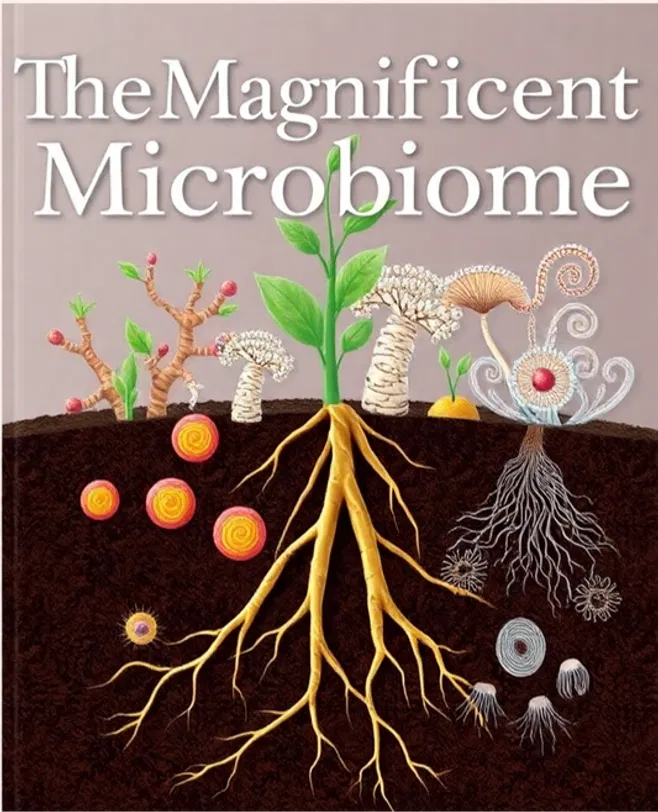
The "Rhizosphere" is the narrow zone of soil surrounding a plant root. This is where the magic happens. Our Magnificent Microbiome guide goes into the "why" behind the "how," but the short version is this: when you have the right bacteria on your roots, the plant spends less energy searching for food and more energy growing leaves, fruits, and flowers.

Advanced Monitoring for the Modern Grower
In the past, understanding soil health required sending samples to a lab and waiting weeks for a confusing PDF. Today, we use tech to keep a "pulse" on our ecosystems.
For those who want to geek out on the data (and we certainly do), tools like the Regen Soil Pulse device allow for real-time monitoring of moisture, temperature, and electrical conductivity (EC). This data tells us if the "engine" of the soil is running efficiently.

If you see your EC levels dropping, it’s a sign that nutrient cycling has slowed down. Instead of reaching for a chemical fertilizer, we might recommend a "recharge." This is where products from our partners at Terrabiotics, specifically the Ultra Bio Boost, come in. While Rhizo Logic® provides the "house" and the "tenants," a bio-boost serves as the "high-energy food" to get those tenants working harder during peak growing seasons.
Beginner’s Checklist to Mastering Your Ecosystem
- Start Small: Don't try to convert your whole yard on day one. Start with a Patio Pro Kit to learn the ropes of managing a living system in a controlled environment.
- Observe: Spend ten minutes a day just looking at your soil and plants. Are there worms? Is the soil dark and crumbly, or light and dusty?
- Compost Everything: Your kitchen scraps are gold. Composting is the ultimate way to recycle nutrients back into your home system.
- Water Wisely: Living soil needs moisture to keep the microbes alive, but overwatering can drown them by cutting off oxygen. Aim for the consistency of a wrung-out sponge.
Frequently Asked Questions
Q: Can I use tap water on my living soil? A: Chlorine and chloramine in tap water are designed to kill bacteria. While a little bit won't destroy your system, we recommend using a simple charcoal filter or letting your water sit out for 24 hours to let the gases dissipate. Your microbes will thank you.
Q: Do I ever need to "replace" my living soil? A: Unlike traditional potting mixes that "wear out," a true regenerative organic living system can actually get better with age. As long as you are adding organic matter (like compost or worm castings) and keeping the biology active, you can reuse the same soil for years.
Q: I see white fuzzy stuff on the surface of my soil. Is it mold? A: In most cases, that "white fuzz" is actually beneficial saprophytic fungi or actinomycetes. It’s a sign that your soil is alive and breaking down organic matter. Don't panic: celebrate!
Moving Forward
Mastering your home ecosystem is a journey of discovery. It’s about moving away from the "dominion over nature" mindset and toward a "stewardship" mindset. When we work with the natural logic of the rhizosphere, we find that gardening becomes less about "work" and more about "observation and facilitation."
We invite you to explore our full collection of tools and educational resources. Whether you are looking for a deep dive into soil science or just need the right dirt (excuse us, soil) to get started, we are here to help.
Have questions about your specific setup? Drop a comment below or reach out to us through our Contact Page. Let’s grow something amazing together.


