
The Ultimate Guide to Regenerative Agriculture at Home: Everything You Need to Succeed with Living Systems
By Jeremy Standring
For too long, we’ve been taught to treat our gardens like chemistry sets. We measure out synthetic powders, dump "blue juice" on our plants, and pray for the best. But here’s the cold, hard truth: plants don't grow in a vacuum. They grow in a complex, bustling metropolis of biological activity known as the living soil.
At Regen Soil, we don’t just want you to grow a tomato; we want you to manage a thriving ecosystem. Regenerative agriculture isn't just for 5,000-acre corn farms in the Midwest. It’s a philosophy and a set of practices that you can, and should, implement right in your backyard or on your balcony.
In this guide, we’re going to break down how to transition from "conventional gardening" (which is basically just life support for plants) to Regenerative Living Systems.
What Exactly is Regenerative Agriculture at Home?
Regenerative agriculture is a holistic land-management practice that leverages the power of photosynthesis in plants to close the carbon cycle and build soil health, crop resilience, and nutrient density. At the home level, this means we stop fighting nature and start collaborating with it.
Instead of focusing on feeding the plant directly with synthetic fertilizers, we focus on feeding the microbial populations in the soil. When the soil is healthy, the plants take care of themselves. This is the core of our RSI Method.
The Five Pillars of Soil Health
To succeed with living systems, you need to follow these five fundamental principles:
- Minimize Disturbance: Put down the tiller. Tilling shatters the delicate fungal networks (mycelium) and destroys soil structure.
- Maximize Biodiversity: Nature hates a monoculture. The more types of plants you have, the more diverse your underground microbial community will be.
- Keep the Soil Covered: Bare soil is dying soil. Use mulch or cover crops to protect your "underground livestock" from the sun and erosion.
- Maintain Living Roots Year-Round: Roots pump carbon (sugars) into the soil to feed microbes. No roots = no food = no life.
- Integrate Biology: This is where our Rhizo Logic® products come into play. We need to ensure the right beneficial bacteria and fungi are present to kickstart the system.
For Beginners: Starting Your Living Soil Journey
If you’re new to this, the easiest way to fail is to overcomplicate things. You don't need a PhD in soil science to get started. You just need the right foundation.
We recommend starting with a controlled environment, like a fabric grow bag or a raised bed. Our Living Soil Patio Pro Kit is specifically designed for beginners who want to skip the "oops, I killed everything" phase.
Step 1: Choose Your Medium
Forget the sterile, peat-based potting mixes from the big-box stores. You want a Living Soil. Our Rhizo Logic™ Living Soil is pre-loaded with a diverse microbiome that acts as the "immune system" for your plants.
Step 2: Hydration (The Right Way)
Chlorine in tap water is designed to kill bacteria. Unfortunately, it doesn't distinguish between "bad" bacteria in pipes and "good" bacteria in your soil. If possible, use a charcoal filter or let your water sit out for 24 hours to off-gas the chlorine.
Step 3: Mulch Immediately
As soon as you plant, cover the surface of the soil with straw, wood chips, or even shredded leaves. This keeps the moisture in and the temperature stable for your microbes.
For Experienced Growers: Deep Dive into the Rhizosphere
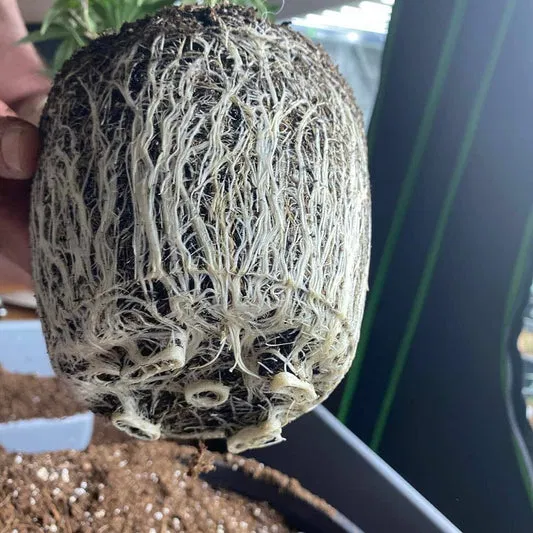
If you’ve been gardening for years and want to level up, we need to talk about the Rhizosphere. This is the area of soil immediately surrounding plant roots. It is the most biologically active place on Earth.
Plants are incredibly smart. They spend up to 40% of their energy creating "exudates", essentially sugar cookies, which they leak out of their roots to attract specific bacteria and fungi. Why? Because those microbes can mine minerals from the soil that the plant can’t reach on its own.
The Role of Rhizo Logic®
In a degraded environment, these specific "specialist" microbes are often missing. This is why we developed Rhizo Logic®. By inoculating your system with these high-performance biologicals, you are essentially installing a high-speed internet connection between your plants and their nutrient source.
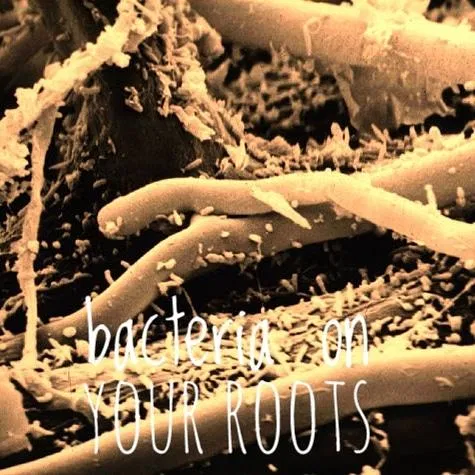
Nutrient Cycling isn't just about how much nitrogen is in the soil; it's about how quickly that nitrogen is converted into a plant-available form by microbes. When you use Rhizo Logic® products, you’re increasing the bio-availability of every nutrient already present in your soil.
Regenerative vs. Conventional: A Comparative Analysis
Why should you bother making the switch? Let's look at the numbers and the results.
| Feature | Conventional Gardening | Regenerative Living Systems |
|---|---|---|
| Fertilizer | Synthetic NPK (Chemical salts) | Organic matter & Microbial cycling |
| Water Usage | High (Due to poor soil structure) | Low (Soil holds 10x more water) |
| Pest Control | Toxic Pesticides | Natural predators & Plant immunity |
| Carbon Impact | Carbon Emitter | Carbon Sequestration |
| Labor | Tilling, weeding, spraying | Mulching, observing, enjoying |
The difference is clear. Conventional gardening is a treadmill, you have to keep buying inputs to keep the plants alive. Regenerative systems are an investment, the soil gets better and more productive every single year.
Advanced Techniques: Cover Cropping and Soil Recharging
Once your system is established, you need to maintain the momentum. This is where Soil Restoration becomes an ongoing practice.
Cover Cropping in Containers
Yes, you can (and should) grow cover crops in your pots! After you harvest your peppers or tomatoes, don't leave the soil bare over winter. Plant a mix of clover, vetch, or cereal rye. These plants keep the microbial community fed during the "off-season." When spring comes, simply crimp them down or cut them at the base to create a "green mulch."

Recharging Your Soil
Eventually, even the best living soil needs a "software update." Over time, some microbial species may become dominant while others fade. To maintain balance, we recommend using a soil recharge.
While Rhizo Logic focuses on the living soil environment, you can also look into Terrabiotics solutions like Ultra Bio Boost to provide a concentrated dose of biological catalysts that reignite the decomposition process and nutrient flow.
Managing the "Magnificent Microbiome"
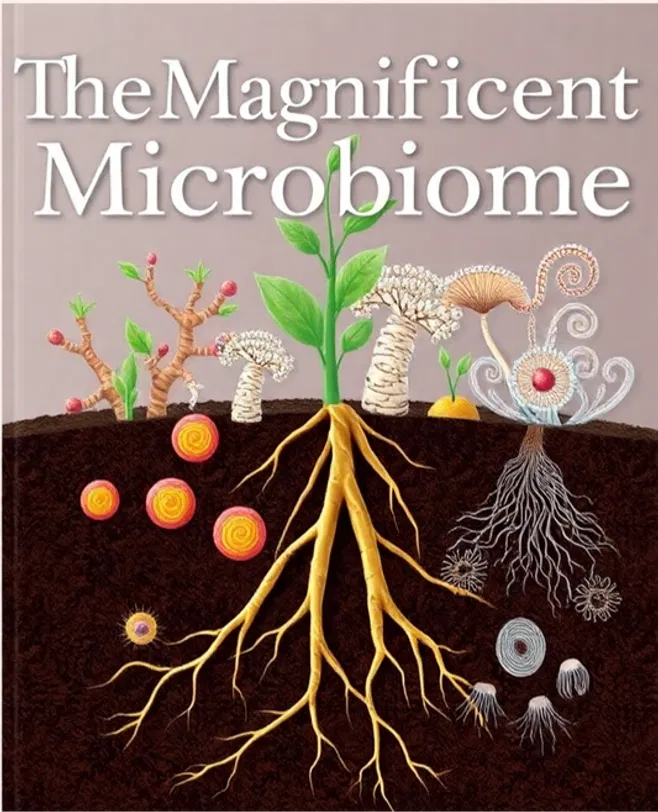
We’ve actually written an entire book on this subject because it’s that important. The Magnificent Microbiome goes into detail about the specific fungi and bacteria we use in our products.
Understanding that you are a "Microbe Manager" more than a "Plant Grower" changes your entire perspective. You start looking for signs of fungal hyphae (white fuzzy stuff) in your mulch. You celebrate when you see an earthworm. You realize that "weeds" are often just nature's way of trying to heal a wound in the soil.
Frequently Asked Questions (FAQ)
Q: Does living soil smell bad?
A: Not at all! Healthy, aerobic living soil should smell like a fresh forest floor: earthy and sweet. If it smells like rotten eggs, you have an "anaerobic" (low oxygen) problem, likely from overwatering.
Q: Can I use Rhizo Logic® with my existing organic fertilizers?
A: Absolutely. In fact, Rhizo Logic® will make those fertilizers work better by breaking them down faster. Just stay away from synthetic salts, as they can dehydrate and kill your microbial friends.
Q: How often do I need to replace my soil?
A: If you’re doing it right, never. You just keep top-dressing with compost and high-quality amendments. The soil is a living entity; you don't replace your cat every year, you just feed it!
Q: Is this method more expensive?
A: Initially, there's a small investment in quality biology and soil. However, over 2-3 years, you save a fortune on fertilizers, pesticides, and replacement plants.
The Future is Regenerative
By choosing to grow regeneratively at home, you aren't just getting better-tasting kale. You are participating in a global movement to restore our planet's health, one square foot at a time. You are sequestering carbon, supporting pollinators, and rebuilding the broken link between humans and the earth.
Ready to start your own living system? We’re here to help. Whether you need a full Soil Health Assessment or just want to grab some Rhizo Logic™ Living Soil, the best time to start was yesterday. The second best time is right now.
What's your biggest struggle with transition to living soil? Drop a comment below or reach out to us on our contact page. Let’s grow something amazing together.


