5 Steps How to Restore Your Soil and Boost Microbial Life (Easy Guide for Home Gardeners)
By Jeremy Standring
If you’ve spent any time in your garden lately and felt like your plants just aren't "popping" the way they used to, you’re likely looking at a soil health issue. In the world of regenerative agriculture, we don't just see dirt; we see a living, breathing ecosystem. Most home gardens suffer from years of "mining": the process of taking nutrients out through harvest without properly replenishing the biological workforce that makes those nutrients available.
At Regen Soil, we believe that the secret to a thriving garden isn't found in a bottle of synthetic N-P-K fertilizer. It’s found in the living soil. When we talk about soil restoration, we are talking about bringing the microbiome back to life. This guide will walk you through five actionable steps to restore your soil, utilizing the same principles we use in our professional soil health consulting.
1. Stop the Disturbance: The Case for No-Till
The first step in soil restoration is often the hardest for traditional gardeners: put down the tiller. When we till the soil, we are essentially staging a natural disaster for the microbial community.
Fungal Networks vs. Mechanical Intervention Soil is held together by a "biological glue" called glomalin, produced by mycorrhizal fungi. These fungi create vast underground networks that transport water and nutrients to your plants. When you till, you shatter these networks. While you might get a temporary flush of nitrogen as the microbes die and decompose, you are destroying the long-term infrastructure of your garden.
Why it matters:
- Structure: Tilled soil loses its ability to hold water and air, leading to compaction.
- Carbon Sequestration: Living soil acts as a carbon sink. Tilling releases that carbon back into the atmosphere as CO2.
- Microbial Diversity: Constant disturbance favors "pioneer" bacteria over the more complex fungal communities needed for perennial health.
We recommend a "broadfork" approach if you must loosen the soil, or better yet, simply layering organic matter on top and letting the worms do the work for you.
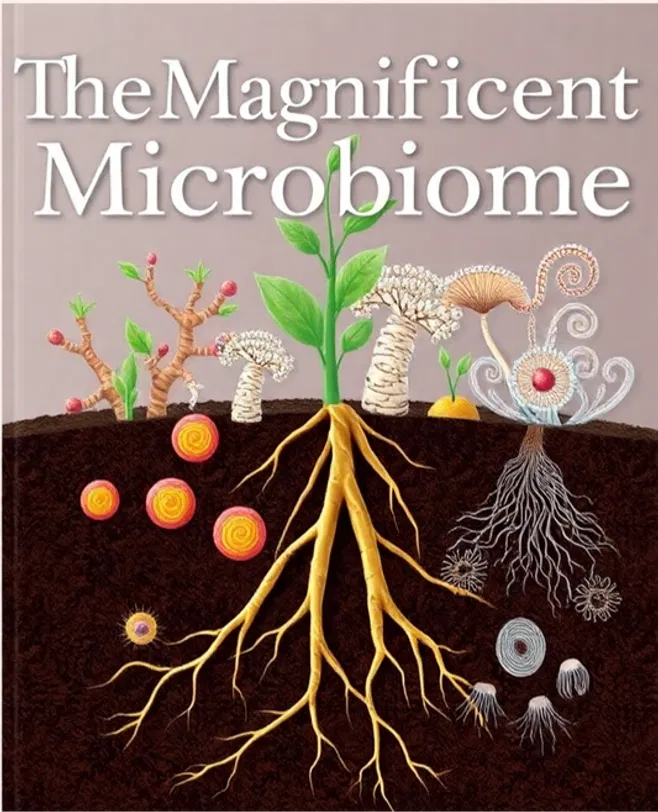
2. Reintroduce Life with Rhizo Logic®
If your soil has been sterilized by chemicals or heavy tilling, you can’t just wait for the microbes to come back on their own: you need to inoculate. This is where Rhizo Logic® comes in. In our ecosystem, Rhizo Logic represents the gold standard for Living Soil.
Think of Rhizo Logic® as a "starter culture" for your garden. Just as you need a mother culture to make sourdough or kombucha, your garden needs a diverse community of bacteria, fungi, protozoa, and nematodes to jumpstart nutrient cycling.
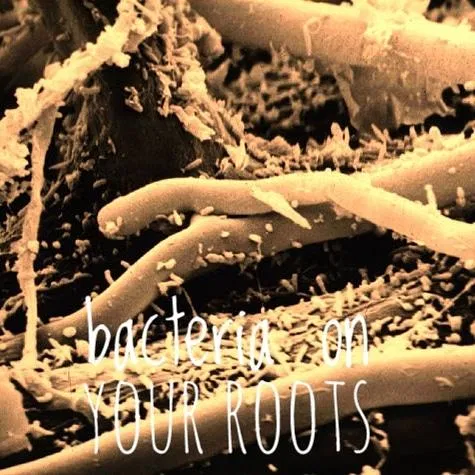
The Rhizosheath Connection The area immediately surrounding a plant root is called the rhizosphere. This is where the magic happens. Plants exude up to 30% of their photosynthetic energy as sugars (exudates) to "hire" specific microbes. Our Rhizo Logic® products ensure that when your seeds pop, the right workers are already there to take the job.
3. Boost the Workforce with Bio-boost (Terrabiotics)
Once you have the foundation of living soil, you need to fuel it. We utilize Bio-boost, a specialized Terrabiotics formula designed to accelerate microbial metabolic activity.
While Rhizo Logic establishes the "who," Bio-boost provides the "how." It acts as a catalyst, providing the essential micronutrients and catalysts that allow soil microbes to thrive and multiply.
Comparison: Living Soil vs. Conventional Gardening
| Feature | Conventional Gardening | Living Soil (Regen Soil Method) |
|---|---|---|
| Nutrient Source | Synthetic Salts (N-P-K) | Microbial Mineralization |
| Water Retention | Poor (requires frequent watering) | High (organic matter acts as a sponge) |
| Plant Immunity | Low (dependent on pesticides) | High (Systemic Acquired Resistance) |
| Sustainability | Depletes soil over time | Builds soil year after year |
By using Bio-boost, you are shifting the garden’s focus from short-term growth to long-term vitality. This Terrabiotics approach ensures that the soil remains "active" even during temperature swings or dry spells.

4. Keep It Covered: Armor Your Soil
Nature abhors a vacuum, and it hates bare soil even more. In the wild, you rarely see exposed earth. Bare soil is subject to UV sterilization (which kills microbes), erosion from rain, and extreme temperature fluctuations.
The Two-Pronged Approach:
- Mulching: Use high-quality organic mulches like wood chips, straw, or leaf mold. This provides a slow-release food source for fungi and keeps the soil surface cool.
- Cover Crops: Living roots are the best way to keep microbes fed. Even in the off-season, planting clover, vetch, or rye ensures that the microbial community doesn't starve.
We’ve seen incredible results in home gardens where the "trash" (fallen leaves and plant debris) is left on the surface. This mimics the forest floor, the most efficient soil-building engine on the planet.
5. Monitor and Adjust: The ISH Assessment
You can’t manage what you don’t measure. Most home gardeners guess what their soil needs based on the color of a leaf, but by the time a plant shows a deficiency, the soil has been struggling for weeks.
At Regen Soil, we developed the ISH Assessment (Initial Soil Health Assessment). This isn't your standard hardware store pH test. We look at the biological and physical properties of your soil to determine the actual microbial biomass and nutrient availability.
What we analyze in an ISH Assessment:
- Microbial Diversity: Are the right "players" on the field?
- Compaction Levels: Can roots and oxygen actually penetrate the medium?
- Nutrient Cycling Capacity: Is your organic matter actually turning into plant-available food?
Getting an ISH Assessment is the best way to stop "spray and pray" gardening. Instead of adding random amendments, you provide exactly what your specific ecosystem is missing.
Deep Dive: The Science of Soil Restoration
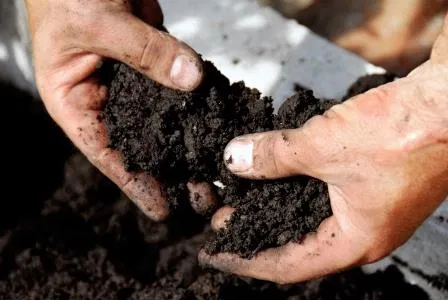
Why does this work? It’s all about the Soil Food Web. In a healthy garden, plants are the primary producers. They take sunlight and turn it into carbon. They "pump" that carbon into the soil to feed bacteria and fungi.
These microbes then mine minerals from the sand, silt, and clay particles: minerals that plants can't access on their own. When larger organisms like protozoa and nematodes eat the bacteria and fungi, they "poop" out excess nutrients in a form the plant can finally drink.
This is nutrient cycling. When you use synthetic fertilizers, you break this cycle. The microbes go "homeless" because the plant stops feeding them, and eventually, the soil structure collapses. Restoration is simply the process of re-establishing this ancient partnership.
FAQ: Restoring Your Soil
Q: How long does it take to see results? A: While chemical fertilizers give a 24-hour green-up, soil restoration is a marathon. However, by using Bio-boost, you can often see a noticeable difference in plant vigor and soil tilth within a single growing season.
Q: Can I use Rhizo Logic® with my existing organic fertilizers? A: Absolutely. Rhizo Logic® Living Soil products actually make your organic fertilizers work better by increasing the efficiency of the breakdown process.
Q: Is "Living Soil" just another word for compost? A: Not exactly. Compost is a component of living soil, but true living soil (like our Rhizo Logic® blends) is a balanced ecosystem of specific microbial functional groups and aged organic matter.
Q: Why should I care about "Terrabiotics"? A: Terrabiotics like Bio-boost are the "vitamins" for your soil’s microbiome. They ensure that even if your compost is a bit "lazy," the biological reactions necessary for plant health are still firing at 100%.
Take the First Step Toward Regeneration
Restoring your soil is the most rewarding thing you can do as a gardener. Not only will your vegetables be more nutrient-dense and your flowers more vibrant, but you’ll also be doing your part to heal the planet, one square foot at a time.
If you’re ready to move beyond "dirt" and start building a legacy of living soil, we’re here to help. Whether you need a professional ISH Assessment or you're looking to jumpstart your garden with Bio-boost, the team at Regen Soil is ready to guide you.
What’s the biggest struggle you’re facing in your garden right now? Leave a comment below or reach out to us: we’d love to help you dig into the science of your soil!