
The Ultimate Guide to Living Soil: Everything You Need to Succeed Based on Real Success Stories
By Jeremy Standring
At Regen Soil, we don’t just look at dirt; we look at a biological engine. For years, conventional agriculture has treated soil as a static medium, a mere holding tank for synthetic salts and chemical inputs. But we have found that true success in cultivation comes from shifting our perspective toward regenerative agriculture. We view the soil as a living, breathing ecosystem.
This guide is designed to take you from the basics of soil biology to the advanced application of Rhizo Logic® (our signature living soil) and the strategic use of Bio-boost (our Terrabiotics soil recharge). Whether you are a home gardener or a commercial operator, understanding the "why" behind the "how" is the key to unlocking the full potential of your plants.
What Exactly is "Living Soil"?
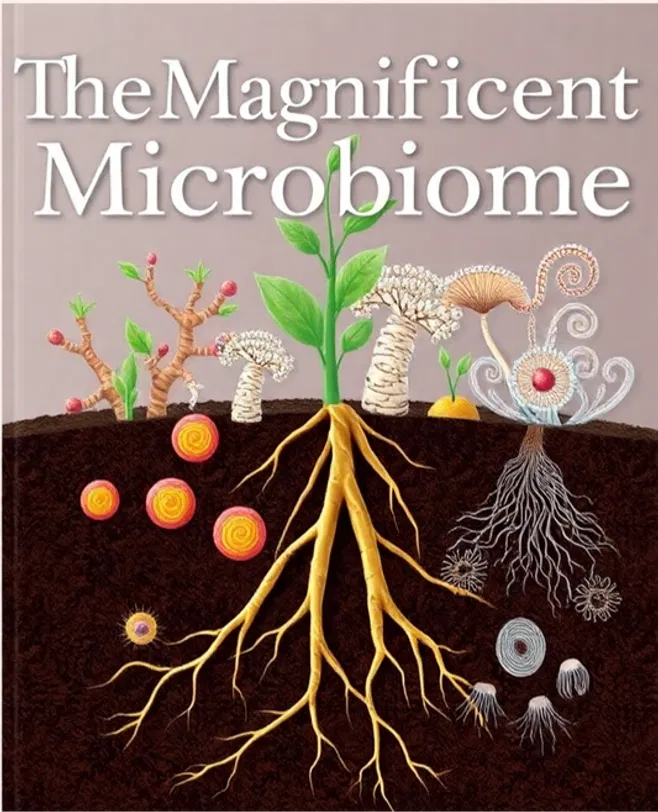
In technical terms, living soil is a complex community of microorganisms, including bacteria, fungi, protozoa, and nematodes, all working in a symbiotic relationship with plant roots. We call this the rhizosphere.
When we talk about Rhizo Logic®, we are referring to a specifically engineered living soil medium that is pre-colonized with a diverse microbiome. Unlike sterile potting mixes that require constant liquid feeding, living soil relies on nutrient cycling. This is the process where microbes break down organic matter into plant-available forms. It is a closed-loop system that mimics the floor of an ancient forest, adapted for modern growing environments.
The Systems-Thinking Approach
To succeed with living soil, you must adopt a systems-thinking mindset. You aren't just feeding a plant; you are managing a livestock of billions of microbes. If the microbes thrive, the plant thrives. If the biological community collapses, the plant becomes vulnerable to pests, diseases, and nutrient lockout.
The Core Principles of Living Soil Success
Through our RSI Method, we have identified three non-negotiable pillars for maintaining a healthy soil ecosystem:
- Minimize Disturbance: Tilling or over-turning soil destroys the delicate fungal hyphae (the "internet" of the soil) that transport nutrients and water.
- Keep it Covered: Living soil should never be exposed to direct, drying air or intense UV light for long periods. Mulching or cover cropping keeps the microbiome protected and hydrated.
- Microbial Diversity: A monoculture of bacteria is a recipe for failure. We prioritize a high-diversity "Magnificent Microbiome" to ensure that if one environmental stressor hits, other species can fill the functional gap.
For Beginners: Starting Your Living Soil Journey
If you are new to the world of soil restoration, the transition can feel overwhelming. Many beginners are used to the "bottled nutrient" method where you follow a chart. In the living soil world, the soil is the chart.
The Entry Point: Patio Pro Kits
For those with limited space or experience, we recommend starting with the Living Soil Patio Pro Kit. This kit provides the perfect ratio of Rhizo Logic® living soil to container size, ensuring that the moisture levels remain stable enough for the biology to establish itself.
Beginner Tip: Don't overwater. In living soil, the microbes need oxygen as much as they need water. Keeping the soil "field capacity" (moist like a wrung-out sponge) is the goal.
For Experienced Growers & Commercial Operations: Scaling the Ecosystem
When you move from a few pots to a large-scale commercial operation, the stakes are higher. You can't rely on guesswork. This is where data-driven soil health assessment becomes critical.
Recharging with Bio-boost (Terrabiotics)
Even the best living soil eventually needs a "recharge" of biological activity. We utilize Bio-boost, a Terrabiotics product, to re-inoculate the soil during critical growth phases.
- Vegetative Phase: Bio-boost helps establish the nitrogen-fixing bacterial colonies.
- Flowering Phase: It aids in the mobilization of phosphorus and potassium, ensuring the plant has the energy required for high yields.
Advanced Monitoring
For commercial success, we utilize real-time monitoring. Using the ISH Assessment, we analyze the EC (Electrical Conductivity), moisture, and temperature at the root zone.

By monitoring these metrics, we can ensure the sequestration of nutrients is happening efficiently and that the soil isn't becoming too saline, which would kill the beneficial microbes.
Real Success Stories: Living Soil in Action
We believe the proof is in the harvest. Over the years, we have documented numerous success stories that highlight the power of the Rhizo Logic® system.
Case Study: The 30% Yield Increase
One of our commercial partners in the Northeast was struggling with "re-use" soil disease. Their yields were dropping, and their pest pressure was at an all-time high. By implementing the RSI Method and switching to Rhizo Logic®, they were able to:
- Eliminate synthetic pesticide use within one season.
- Increase terpene profiles and secondary metabolites.
- Achieve a 30% increase in total yield by focusing on the microbial health of the root ball.
The Home Gardener’s Transformation
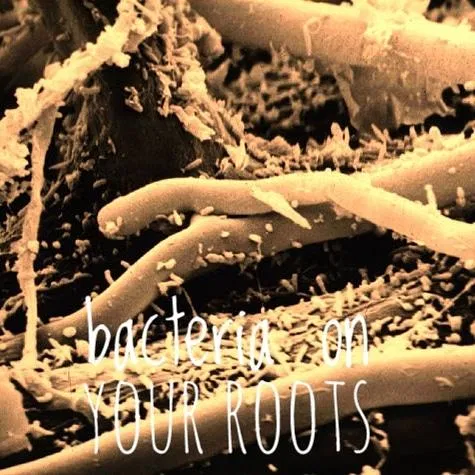
A customer using our 5-Gallon Living Soil reported that their heirloom tomatoes, which usually succumbed to blight by August, stayed vibrant and productive through October. The secret? The beneficial bacteria colonies on the roots acted as a biological shield against soil-borne pathogens.
Comparative Analysis: Living Soil vs. Synthetic Fertilizers
| Feature | Living Soil (Rhizo Logic®) | Synthetic/Salt-Based |
|---|---|---|
| Nutrient Delivery | Slow-release via microbial activity | Instant, direct-to-root absorption |
| Environmental Impact | Carbon-sequestering, regenerative | Potential for runoff and soil degradation |
| Pest Resistance | High (Systemic Acquired Resistance) | Low (Plants are often "soft" and attractive to pests) |
| Maintenance | Low (Water only in many cases) | High (Daily mixing of nutrients/pH balancing) |
| Flavor/Quality | Exceptional (Complex nutrient uptake) | Standardized/Uniform |
Pros of Living Soil: It builds equity in your land or medium. The longer you use it, the better it gets.
Cons: It requires a higher initial understanding of biology and temperature management.
A Deep Dive: The Science of the Rhizosphere
To truly master this, we have to look at Carbon Sequestration and Nutrient Cycling. Plants naturally exude sugars (exudates) through their roots to "hire" specific microbes.
If a plant needs Phosphorus, it will send out a specific sugar signal to attract Mycorrhizal fungi. These fungi extend far beyond the root zone to scavenge for Phosphorus and bring it back to the plant in exchange for those sugars. When you use synthetic fertilizers, the plant stops sending these signals, the microbes starve, and the biological "internet" goes offline.
By using Rhizo Logic®, you are ensuring that the biological infrastructure is present from day one. When you supplement with Bio-boost, you are providing the "workforce" needed to keep that infrastructure running at peak efficiency.

Frequently Asked Questions (FAQ)
1. Do I need to pH my water in living soil?
Generally, no. A robust microbial community acts as a buffer, adjusting the pH at the micro-level around the roots. However, if your water is extremely alkaline or acidic, we recommend a Soil Health Assessment to see if adjustments are needed.
2. Can I reuse Rhizo Logic® soil?
Absolutely. That is the point of regenerative agriculture. After a harvest, you simply top-dress with organic matter and a dose of Bio-boost to replenish the microbial populations for the next cycle.
3. What is the difference between Bio-boost and compost tea?
While compost tea is great, it can be inconsistent. Bio-boost is a precision-formulated Terrabiotics product with guaranteed microbial counts and specific strains designed for high-performance soil recharge.
4. Is living soil suitable for all plants?
Most plants thrive in it, especially those that have evolved in natural ecosystems. However, some heavy feeders may require more frequent "recharging" than others.
Your Path to Restoration
Transitioning to living soil is more than a gardening choice; it’s an environmental one. By choosing Regen Soil, you are participating in a movement that restores the earth rather than depleting it.
We are here to help you every step of the way. If you’re ready to dive deeper into the biology of your grow, check out our comprehensive guide, The Magnificent Microbiome, or contact us for a personalized consultation.
What has been your biggest challenge in switching to organic or living soil? Let us know in the comments below, and let’s grow together!


