
How to Integrate Regenerative Organic Living Systems With Your Current Home Garden
By Jeremy Standring
Let’s be honest for a second: most home gardens are essentially on life support. We’ve been conditioned to think of plants as hungry teenagers that need constant "feeding" with blue liquids or synthetic pellets. But here at Regen Soil, we look at things a bit differently. We don’t want to feed the plant; we want to feed the soil so the soil can feed the plant.
When we talk about regenerative agriculture at a home scale, we’re moving away from the "extraction" model and toward a "living system" model. It’s the difference between running a hospital ward and managing a vibrant, self-sustaining jungle. Integrating regenerative organic living systems into your current setup isn't just about switching fertilizers; it's about a fundamental shift in how you view the dirt beneath your fingernails.
The Paradigm Shift: From Inputs to Ecosystems
In a conventional garden, if a plant looks yellow, you add nitrogen. If there are bugs, you spray poison. It’s a reactive, linear way of thinking. In a living soil system, we focus on the Rhizosphere, the narrow region of soil that is directly influenced by root secretions and associated soil microorganisms.
By transitioning your garden to a regenerative system, you are essentially hiring a microscopic workforce to do the heavy lifting for you. This workforce handles nutrient cycling, pest suppression, and water retention. Your job title changes from "Plant Nurse" to "Ecosystem Manager."
Step 1: Put Down the Tiller (The "No-Till" Commandment)
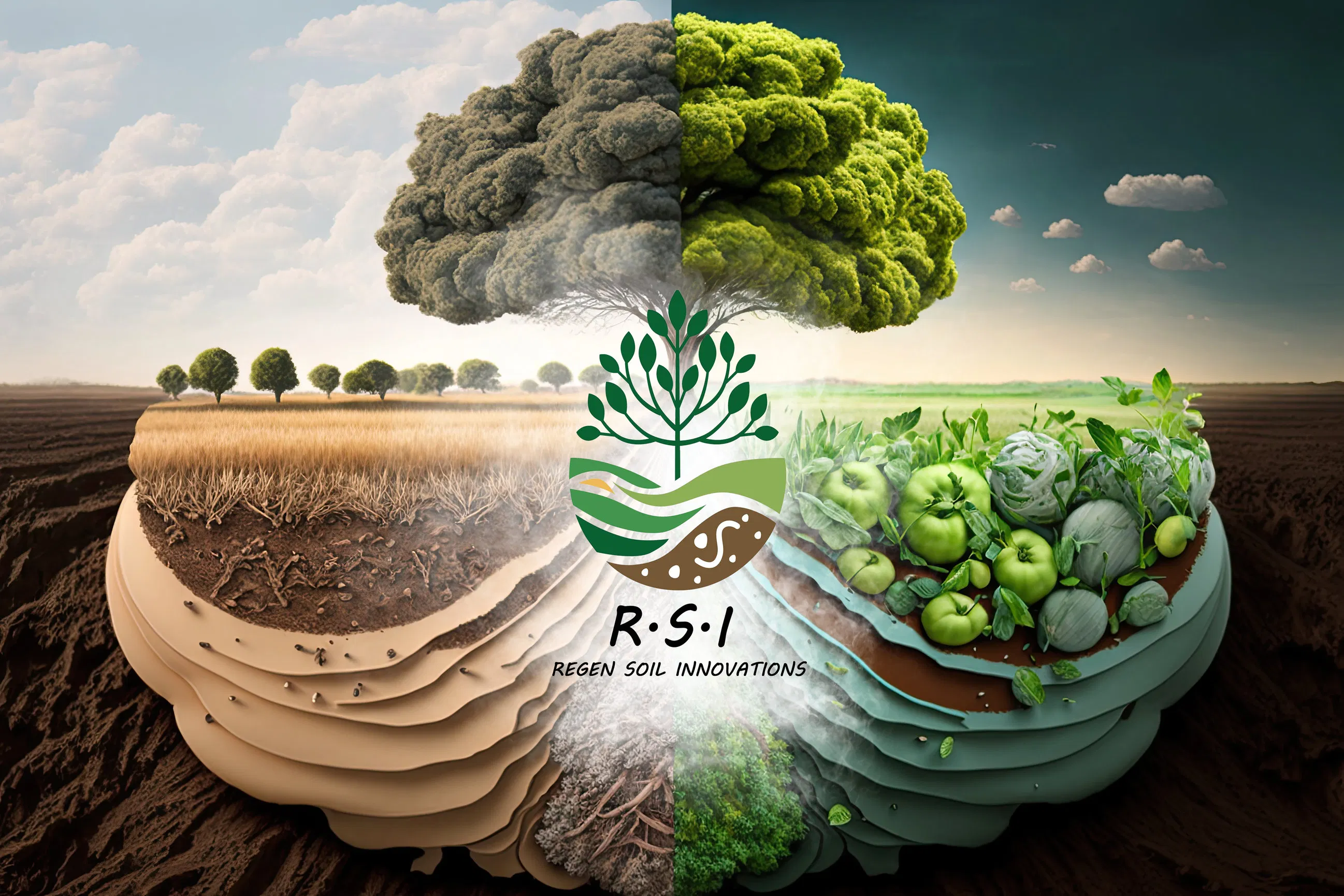
The quickest way to ruin a thriving microbial community is to take a spinning metal blade to it. Imagine if a giant blender came through your neighborhood once a year, it’d be hard to build a functioning society.
When you till, you shatter the delicate fungal networks (mycelium) and expose organic matter to rapid oxidation, which releases carbon into the atmosphere instead of keeping it in the ground. To integrate regenerative practices, we recommend adopting a no-till approach immediately.
How to transition to No-Till:
- Mow or "Crimp": If you have existing weeds or old crops, cut them down at the base and leave them on the surface.
- Sheet Mulch: Layer cardboard (remove the tape!) over the area to suppress weeds.
- Add Living Soil: Apply a generous layer of high-quality compost or, better yet, Rhizo Logic® Living Soil directly on top.
- Plant Directly: Cut small holes through the cardboard to plant your starts.
Step 2: Inoculate with Life (The Rhizo Logic® Approach)
If your soil has been treated with synthetics for years, it’s likely a biological desert. To jumpstart the soil restoration process, you need to reintroduce the "good guys." This is where the science of Rhizo Logic® comes into play.
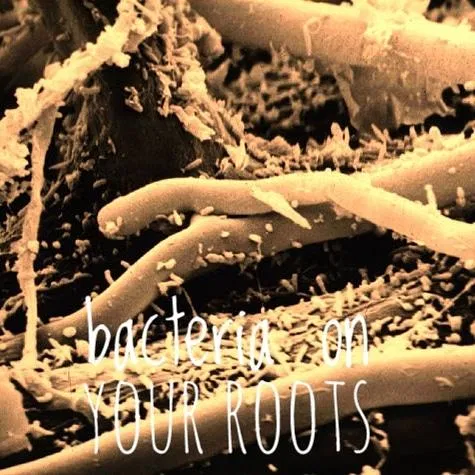
Living soil isn't just dirt with some worms in it; it's a complex web of bacteria, fungi, protozoa, and nematodes. These organisms create a symbiotic relationship with your plants. The plant provides carbon (sugars) through its roots, and in exchange, the microbes mine the soil for minerals the plant can’t reach.
We’ve found that using a pre-colonized medium like our Living Soil Patio Pro Kit is the easiest way for home gardeners to see immediate results. You aren't just planting a seed; you're installing a pre-built biological engine.
Step 3: Keep the Ground Covered (Armor Up)
Nature abhors a vacuum, and it hates bare soil even more. Bare soil is subject to erosion, extreme temperature fluctuations, and "capping," where the surface becomes a hard crust that prevents water infiltration.
In a regenerative organic system, the soil should always be "armored."
- Living Mulch: Use low-growing ground covers like clover or thyme.
- Organic Mulch: Straw, wood chips, or shredded leaves.
- Cover Crops: Between your main growing seasons, plant "green manure" like cereal rye or hairy vetch. These plants keep living roots in the ground year-round, which is critical for sequestering carbon and feeding the soil microbiome during the "off" months.
Step 4: Diversity is Your Best Defense
Commercial agriculture loves monocultures, acres and acres of the same plant. This is essentially an all-you-can-eat buffet for specific pests. In your home garden, you should aim for maximum diversity.
Mix your vegetables with native perennials, flowers, and herbs. This creates a "habitat" for beneficial insects. When you have a diverse ecosystem, "pests" simply become "bird food." By integrating different root depths and plant families, you also ensure that the soil is being mined for nutrients at various levels, preventing "nutrient mining" exhaustion.

Step 5: Strategic Recharging
Even the best living systems occasionally need a boost, especially in containers or high-intensity raised beds. However, we don't use harsh salts. Instead, we use biological catalysts.
For those using the TerraBiotics line, the Ultra Bio-Boost Soil Recharge is our go-to for "waking up" the soil. Think of it as a probiotic shot for your garden. It doesn't replace the living soil; it provides the enzyme-rich fuel needed to keep the microbial populations booming during peak flowering or fruiting cycles.
Comparison: Conventional vs. Regenerative Gardening
| Feature | Conventional Gardening | Regenerative Living Systems |
|---|---|---|
| Nutrient Source | Synthetic Salts (NPK) | Microbial Cycling & Organic Matter |
| Soil Structure | Frequently Tilled / Compacted | Aggregated / No-Till |
| Water Needs | High (Rapid Evaporation) | Low (High Water Retention) |
| Pest Management | Chemical Pesticides | Biological Diversity & Systemic Resistance |
| Carbon Impact | Carbon Source (Releases CO2) | Carbon Sink (Sequesters Carbon) |
| Long-term Cost | Increasing (More inputs needed) | Decreasing (Self-sustaining) |
The Science of the "Root Ball"
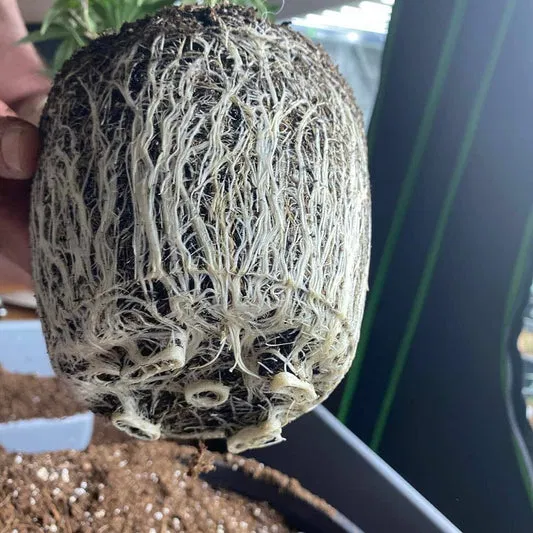
When you pull up a plant from a regenerative system, you should see a "Rhizosheath." This is where the soil literally clings to the roots because of the "glues" (like glomalin) produced by fungi and bacteria. If your roots come out clean and white like they’ve been bleached, you’re missing the biological connection.
A healthy root ball is a sign that your soil restoration efforts are working. You can learn more about these microscopic heroes in our guide, The Magnificent Microbiome.
Troubleshooting Your Transition
We often hear from gardeners who are worried that their garden looks "messier" once they stop tilling and start mulching. We call this the "Ecological Aesthetic." A little bit of leaf litter and some clover in the aisles isn't a sign of neglect; it's a sign of life.
Common issues for beginners:
- "My seeds aren't germinating": If you have too much heavy mulch, small seeds can struggle. Clear a small "V" in the mulch to expose the soil for direct seeding.
- "I have more slugs": This can happen in the first year of no-till. As your predator populations (beetles, toads, birds) catch up to the new habitat, the slug population will stabilize.
- "Is my soil actually better?": Don't guess. You can monitor your progress with tools like the Regen Soil Pulse to track moisture and nutrient levels in real-time.
Summary Checklist for Your Garden
- Stop Tilling: Preserve the fungal networks.
- Inoculate: Use Rhizo Logic® products to establish a diverse microbiome.
- Mulch Everything: Never leave the soil naked.
- Maximize Diversity: Plant flowers and herbs among your veggies.
- Maintain Living Roots: Use cover crops in the winter.
- Recharge Biologically: Use Ultra Bio-Boost instead of synthetic fertilizers.
Frequently Asked Questions (FAQ)
Q: Can I use regenerative practices in pots? A: Absolutely. In fact, it’s even more important in pots because the ecosystem is so small. Check out our 5-gallon Living Soil guide for specific container strategies.
Q: Does this mean I never have to fertilize? A: Not exactly. You are still removing nutrients when you harvest your tomatoes or peppers. You need to replace those nutrients, but you do it through compost, mulch, and biological recharges rather than harsh chemicals.
Q: How long does soil restoration take? A: You’ll see a difference in water retention and plant vigor in the first season. However, building deep, dark, carbon-rich topsoil is a multi-year journey. The best time to start was ten years ago; the second best time is today.
Q: Is Rhizo Logic® the same as Bio-Boost? A: No. Rhizo Logic® is our line of complete Living Soil mediums and microbial inoculants designed to build the "house." Bio-Boost (by TerraBiotics) is a soil recharge designed to "stock the pantry" with enzymes and catalysts. They work beautifully together, but they serve different roles in the ecosystem.
Join the Regeneration
Transitioning to a regenerative organic living system is the most rewarding thing you can do for your backyard (and the planet). You'll spend less time fighting nature and more time marveling at it.
If you're ready to stop "gardening on 110V" and start plugging into the "Earth’s 220V grid," we're here to help. Explore our full range of products or reach out to us on our contact page for personalized advice on your soil health journey.
What’s the first change you’re going to make in your garden this weekend? Let us know in the comments below!


