
The Proven Soil Restoration Framework: How We Restored Topsoil for a Zone 6 Farm
By Jeremy Standring
At Regen Soil, we don’t just look at dirt; we look at the biological engine driving your farm's productivity. In the agricultural world, specifically within the challenging climates of Zone 6, restoring topsoil isn’t a matter of simply adding N-P-K. It is a matter of restoring life.
When we were approached by a farm in a USDA Hardiness Zone 6 region, they were facing the classic symptoms of "exhausted" land: heavy compaction, poor water infiltration, and a total reliance on synthetic inputs to get even a mediocre yield. They weren’t just farming; they were fighting the land. We implemented our RSI Method: a systems-thinking approach to regenerative agriculture: and the results transformed their operation from a struggling site into a thriving ecosystem.
In this deep dive, we’re sharing the framework we used to restore their topsoil, focusing on the science of Rhizo Logic® (Living Soil) and the catalytic power of Terrabiotics.
Phase 1: Context and the Initial Soil Health Assessment (ISH)
Before we ever recommend a single product, we have to understand the "why" behind the "what." In Zone 6, farms deal with significant freeze-thaw cycles and often heavy clay or silty loam soils that become anaerobic during wet springs.
We started with our Initial Soil Health Assessment (ISH). Unlike a standard lab test that only looks at chemistry, our ISH analyzes the biological activity and physical structure of the soil.
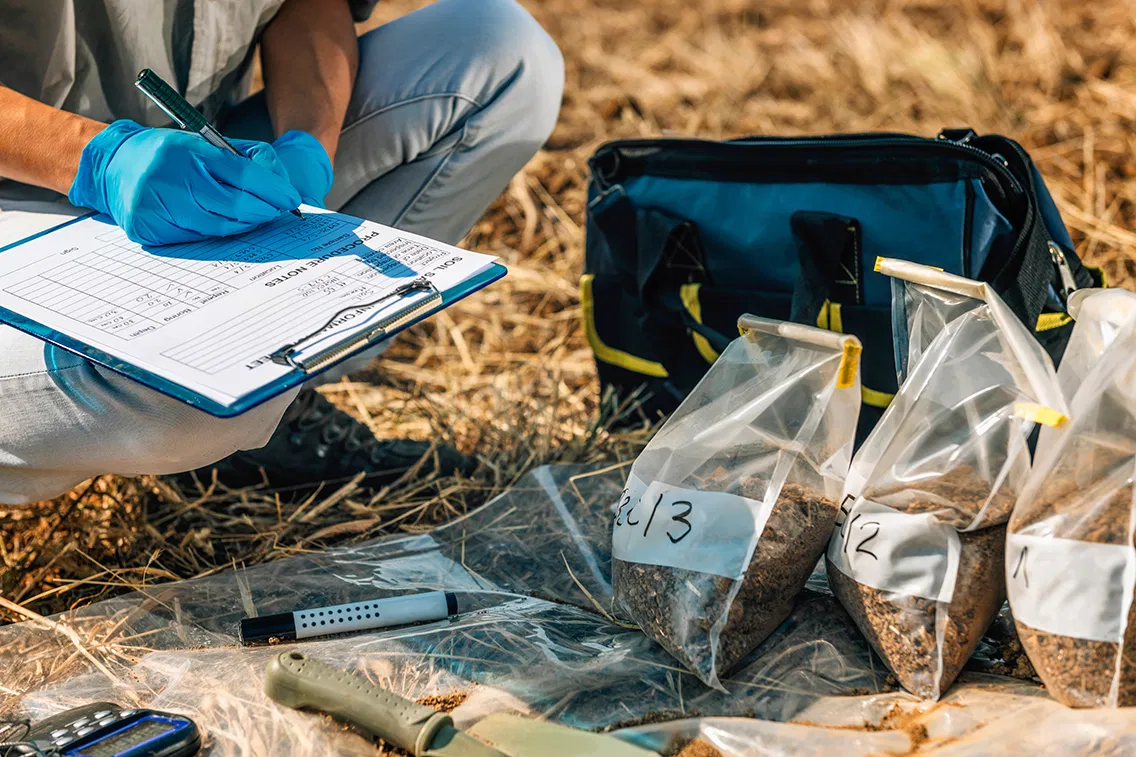
What we discovered:
- Biological Inactivity: The soil had virtually no fungal presence. The Fungal:Bacterial (F:B) ratio was heavily skewed toward bacteria, which leads to rapid nitrate leaching and poor soil structure.
- Compaction Layers: There was a significant "plow pan" about 6 inches down, preventing root penetration and water sequestration.
- Low Organic Matter: The topsoil was pale and crumbly, lacking the glomalin (a "glue" produced by fungi) needed to hold soil aggregates together.
Phase 2: Inoculating the Living Ecosystem with Rhizo Logic®
Restoring soil isn't just about adding organic matter; it's about adding the organisms that process it. We define Rhizo Logic® as the science of Living Soil. To jumpstart the restoration, we introduced diverse microbial populations back into the system.
In Zone 6, timing is everything. We needed to establish these colonies before the heat of summer or the deep freeze of winter. We utilized our proprietary microbial blends to reintroduce:
- Arbuscular Mycorrhizal Fungi (AMF): These form symbiotic relationships with plant roots, effectively increasing the root surface area by up to 1,000%.
- Nitrogen-Fixing Bacteria: To reduce the farm's reliance on synthetic urea.
- Decomposers: Fungi and bacteria that break down crop residue into stable humus.
By applying Rhizo Logic products, we weren't just "feeding the plants." We were building an underground workforce. This is the core of regenerative agriculture: creating a system that sustains itself.
Phase 3: Fueling the Engine with Terrabiotics Bio-boost
Microbes, like any living thing, need a food source to thrive, especially when they are being introduced into a degraded environment. This is where the distinction between "inoculants" and "catalysts" becomes vital.
While Rhizo Logic® provides the biology, we used Bio-boost from the Terrabiotics line to provide the energy. Bio-boost acts as a complex carbohydrate and micronutrient fuel source that ensures the newly introduced microbes don't just survive: they dominate the soil profile.
The Role of Bio-boost in Restoration:
- Immediate Colonization: It provides a "lunch box" for microbes, allowing them to establish themselves before they find natural root exudates.
- Chelation: It helps unlock minerals already present in the soil but "tied up" by previous chemical applications.
- Carbon Sequestration: By promoting rapid microbial growth, we began the process of pulling atmospheric carbon into the soil and turning it into stable organic matter.
For any operation looking to scale these results, we highly recommend integrating Bio-boost into your fertility program to maximize the ROI of your biological inputs.
Phase 4: Understanding the Underground Architecture
To explain "why" this framework works, we have to look at the soil cross-section. In the Zone 6 farm, the soil was originally a "brick." After 12 months of our framework, the soil began to resemble a "sponge."

Aggregate Stability is the term we use to describe how well soil holds together. When you have high microbial diversity, the fungi create "hyphae" (microscopic threads) that wrap around soil particles. This creates pores. These pores allow air (oxygen) and water to move through the soil.
In Zone 6, where heavy spring rains are common, this "sponge" effect prevented the farm from becoming a mud pit, allowing them to get into the fields earlier than their neighbors who were still using conventional till-and-chemical methods.
Phase 5: Monitoring and Data-Driven Stewardship
We don't believe in "set it and forget it." To ensure the topsoil restoration stayed on track, we utilized real-time monitoring tools. The Regen Soil Pulse device allowed the farm owner to see exactly what was happening beneath the surface.

By monitoring Electrical Conductivity (EC), Moisture, and Temperature, we could advise the farmer on exactly when to apply supplements and when to let the biology do its work. This data-driven approach removes the guesswork and ensures that every dollar spent on restoration is optimized for the specific conditions of the season.
The Results: A Comparison of Success
After three seasons following our RSI Method, the transformation of this Zone 6 farm was undeniable. We moved the needle on every major soil health metric.
| Metric | Before Restoration | After 24 Months |
|---|---|---|
| Organic Matter | 1.8% | 3.4% |
| Water Infiltration | 0.5 inches/hour | 2.8 inches/hour |
| Compaction Depth | 6 inches | 18+ inches |
| F:B Ratio | 0.1:1 (Bacterial dominant) | 0.8:1 (Balanced) |
| Input Costs | High (Synthetic dependent) | 30% Reduction |
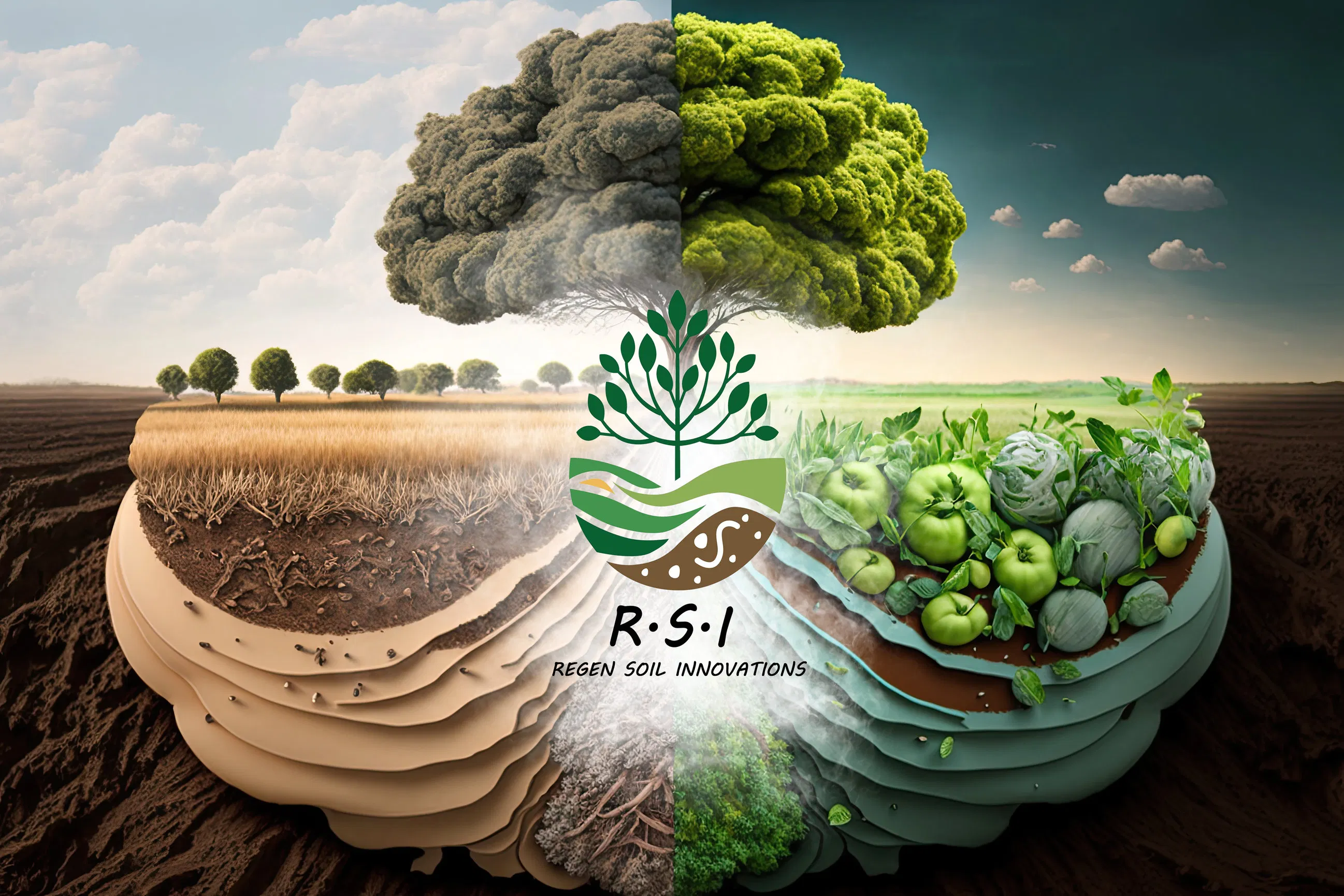
The farm now produces higher yields with fewer inputs. But more importantly, the soil is resilient. It can handle a drought, it can handle a flood, and it is actively building topsoil rather than losing it to erosion.
FAQ: Soil Restoration in Zone 6
How long does it take to see results?
While full topsoil restoration is a multi-year journey, physical changes like improved water infiltration and "soil tilth" are often visible within the first 6 to 12 months of using the Rhizo Logic® system.
Can I do this on a small scale or home garden?
Absolutely. The principles of soil biology don't change based on acreage. Whether you are a commercial farm or a home grower, the goal is the same: establish a living ecosystem. We offer Living Soil solutions specifically designed for smaller applications.
Why is Zone 6 different from other zones?
Zone 6 has a shorter growing season and harsh winters. This means the soil biology goes dormant for several months. Our framework focuses on building a robust "microbial seed bank" that can survive the winter and "wake up" quickly in the spring.
Is Bio-boost a fertilizer?
No. Bio-boost is a biostimulant and catalyst. While it contains nutrients, its primary job is to feed the soil biology and unlock the minerals already present in your soil.
Start Your Restoration Journey
Restoring topsoil isn't a pipe dream; it's a biological reality. By moving away from the "extractive" model of agriculture and toward a "regenerative" model, you aren't just improving your yields: you are securing the future of your land.
If you’re ready to see what’s actually happening in your soil, we recommend starting with our Initial Soil Health Assessment. Let’s stop guessing and start growing.
Have questions about restoring your specific soil type? Drop a comment below or reach out to us for a consultation. We love talking shop!


