
5 Steps How to Restore Living Soil and Stop Erosion (Easy Guide for Land Managers)
By Jeremy Standring
![[HERO] 5 Steps How to Restore Living Soil and Stop Erosion (Easy Guide for Land Managers)](https://cdn.mar4blism.com/fdsPxm3Cnwh.webp)
Erosion isn’t just a loss of dirt; it is a loss of capital, a loss of fertility, and a loss of the future productivity of your land. When we see topsoil washing away into ditches or blowing away in the wind, we are witnessing the collapse of an ecosystem. For land managers, the traditional approach has often been mechanical: building terraces, silt fences, or drainage pipes. While these have their place, they are "band-aids" that don't address the root cause: dead soil.
At Regen Soil, we view soil as a living, breathing organism. When soil is alive, it creates its own "glue" to hold itself together. When it’s dead, it turns into dust. In this guide, we are going to walk you through five actionable steps to transition from degraded, eroding dirt to a thriving, Living Soil system using regenerative principles.
The Problem: Why Your Soil is Washing Away
Before we fix it, we have to understand the "why." Erosion occurs when soil particles are detached and transported. In healthy systems, the soil microbiome: the community of fungi, bacteria, and protozoa: produces exudates like glomalin. These act as biological cements that create soil aggregates.
Without these microbes, the soil loses its structure. It becomes "hydrophobic" (repels water) or "compacted," meaning water cannot infiltrate the ground. Instead of soaking in, water sheets across the surface, taking your precious topsoil with it.

Step 1: Establish Permanent Ground Cover (The "Skin")
Nature abhors a vacuum, and it especially hates bare soil. We like to think of plants as the "skin" of the earth. Just as your skin protects your internal organs from infection and dehydration, plants protect the soil's internal biology.
The Power of Cover Crops
Cover crops are plants grown primarily to benefit the soil rather than for harvest. We recommend using a diverse mix rather than a monoculture.
- Legumes (Clover, Vetch): Fix nitrogen from the atmosphere.
- Grasses (Rye, Oats): Provide massive biomass and prevent wind erosion.
- Brassicas (Radishes): Their deep taproots break up compaction layers, acting as biological "tillage."
By keeping living roots in the ground year-round, you provide a constant source of carbon (sugars) for the microbes. This process is the foundation of soil health.
Step 2: Minimize Physical and Chemical Disturbance
If you want to restore living soil, you have to stop killing the inhabitants. Every time we pull a plow through the ground, we are essentially the equivalent of a hurricane and an earthquake hitting a city at the same time.
Tillage vs. No-Till
- The Tillage Trap: Tilling introduces a massive burst of oxygen that causes a "bloom" of bacteria. These bacteria eat up the organic matter too quickly, releasing CO2 and leaving the soil depleted and prone to crusting.
- The No-Till Advantage: By leaving the soil structure intact, you allow mycorrhizal fungi to build vast networks. These fungi are the primary architects of soil stability.
Furthermore, we recommend reducing synthetic "cidal" inputs (herbicides, fungicides, pesticides). These chemicals often have a non-target effect on the beneficial microbes we are trying to cultivate.
Step 3: Inoculate with Rhizo Logic® (Living Soil)
Sometimes, the soil is so degraded that the beneficial biology is simply gone. You can't bake bread without yeast, and you can't build soil structure without the right microbes. This is where we transition from "passive" management to "active" restoration.
We utilize Rhizo Logic®, our specialized line of Living Soil products, to reintroduce the missing link.
Why Microbial Inoculation Matters
Microbes are the "engine" of the soil. When you add high-quality 5gal living soil or microbial inoculants, you are doing more than just adding nutrients; you are adding the labor force that:
- Cycles Nutrients: Making minerals available to plants.
- Builds Aggregates: Physically binding soil particles together to stop erosion.
- Promotes Root Growth: Through the production of growth hormones.
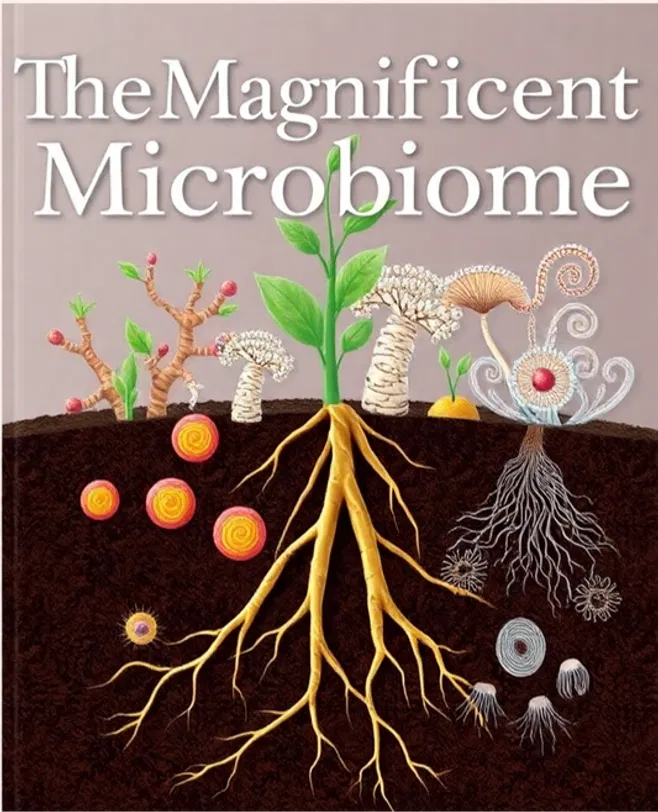
Step 4: Boost Microbial Activity with Bio-boost (Terrabiotics)
Once you have the biology in place (the "workers"), you need to feed them. Think of Bio-boost as the fuel for your microbial engine. Part of the Terrabiotics family, Bio-boost is designed to stimulate the rapid multiplication of beneficial bacteria and fungi.
The "Rhizo-Sheath" Effect
When microbes are thriving, they congregate around the roots of your plants, creating a "rhizo-sheath." This is a thick layer of soil that literally sticks to the roots. If you pull up a plant and the roots come out clean, you have a biological deficiency. If the roots are covered in thick, dark soil clumps, you have a functioning living system that is highly resistant to erosion.
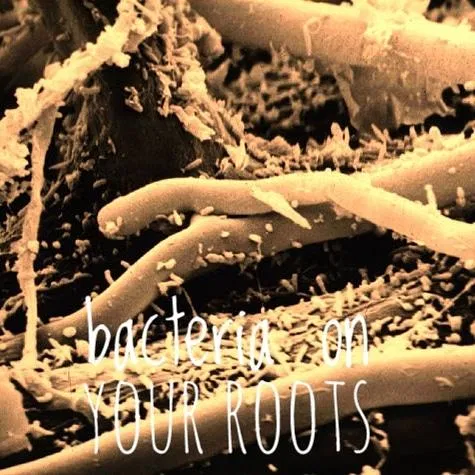
We recommend using Bio-boost during the transition phase of any land management project to ensure the biological community doesn't "stall out" due to a lack of readily available energy.
Step 5: Monitor and Adjust with the RSI Method
Restoring land is a journey, not a destination. You cannot manage what you do not measure. For land managers, we’ve developed the RSI Method: a structured approach to soil restoration.
Initial Soil Health Assessment (ISH)
The first step in our method is the ISH Assessment. We don't just look at N-P-K (Nitrogen, Phosphorus, Potassium). We look at:
- Microbial Diversity: Who is living in your soil?
- Fungal-to-Bacterial Ratios: Vital for understanding what types of plants will thrive.
- Infiltration Rates: How fast can your soil absorb water?
By monitoring these metrics, we can see erosion risk decreasing in real-time as the soil biology improves.

Comparison: Traditional vs. Regenerative Soil Management
To help you decide on your management strategy, let's look at how these two approaches handle erosion and soil health.
| Feature | Traditional Management | Regenerative (Regen Soil) |
|---|---|---|
| Erosion Control | Physical barriers (Silt fences, etc.) | Biological "glue" (Glomalin/Aggregates) |
| Nutrient Source | Synthetic Fertilizers (Water soluble) | Microbial Nutrient Cycling |
| Water Handling | Runoff / Drainage focus | Infiltration / Retention focus |
| Soil Structure | Degraded by Tillage | Built by Fungal Networks |
| Key Input | Chemical salts | Rhizo Logic® & Bio-boost |
Deep Dive: How Microbes Actually Stop Erosion
It sounds like magic: bugs in the dirt stopping a flood? But it's pure physics and chemistry.
Fungal Hyphae: Imagine microscopic threads (mycelium) weaving through the soil like a net. These threads physically wrap around soil particles, holding them in place even during heavy rainfall.
Bacterial Biofilms: Bacteria produce sticky substances (polysaccharides) to attach themselves to surfaces. These biofilms act as a biological adhesive that keeps the "fines" (the smallest, most nutrient-dense soil particles) from being washed away.
When you use the Regen Soil products, you are essentially installing a biological net throughout your entire landscape.
FAQ: Frequently Asked Questions for Land Managers
1. How long does it take to see results?
While full soil restoration can take years, you can see improvements in water infiltration and "dust control" in as little as one growing season by using the right inoculants and cover crops.
2. Is this more expensive than traditional methods?
Initially, the cost of biological inputs and seeds may seem higher. However, when you factor in the reduced need for synthetic fertilizers, less mechanical maintenance, and the preservation of your land's value, the Return on Investment (ROI) is significantly higher.
3. Can I use these methods on a large scale?
Absolutely. Regenerative agriculture is being practiced on millions of acres worldwide. The principles of Living Soil scale from a backyard garden to a 10,000-acre ranch.
4. What is the difference between Rhizo Logic and Bio-boost?
Rhizo Logic is our brand for Living Soil products: focused on the biology itself. Bio-boost is a Terrabiotics product: focused on feeding and stimulating that biology. They work best when used together.
Take the First Step Today
If you are a land manager dealing with "lazy" soil, erosion, or declining yields, it's time to stop fighting nature and start working with it. The first step is understanding exactly what your soil needs.
We invite you to Meet Jeremy and our team to discuss how we can tailor a restoration plan for your specific landscape. Whether you need a full Initial Soil Health Assessment or just want to start with our Rhizo Logic products, we are here to guide you.
Let’s stop the erosion and start the regeneration. Check out our blog for more technical guides or reach out to us directly to begin your soil health journey.


