
Living Soil 101: A Beginner’s Guide to Mastering Your Home Garden Ecosystem
By Jeremy Standring
Let’s get one thing straight right out of the gate: there is a massive difference between "dirt" and "soil." If you’re here, you’re likely tired of the "bottled nutrient" rat race, the endless cycle of measuring out synthetic salts, checking pH levels like a mad scientist, and wondering why your plants look like they’ve been through a blender every time you miss a feeding.
Welcome to the world of Living Soil. At Regen Soil, we don't just grow plants; we cultivate ecosystems. We believe that when you stop feeding the plant and start feeding the soil, nature does the heavy lifting for you. This is regenerative agriculture at its most intimate level, brought right into your backyard or grow tent.
In this guide, we’re going to break down the fundamentals of creating and maintaining a thriving living soil system using our Rhizo Logic® philosophy. Grab a coffee (or a compost tea), and let’s dive into the underground party that is the soil food web.
What Exactly is Living Soil?
In traditional "dead" gardening, soil is merely a structural medium to hold a plant upright while you pump it full of chemical fertilizers. In a Living Soil system, the soil is a vibrant, bustling metropolis of microorganisms.
Think of it as a decentralized economy. The plant is the CEO, producing carbon-rich sugars (exudates) through photosynthesis. It pumps these sugars out through its roots to "pay" the workers, bacteria, fungi, protozoa, and nematodes. In exchange, these microbes mine the soil for minerals and process organic matter into a form the plant can actually eat.
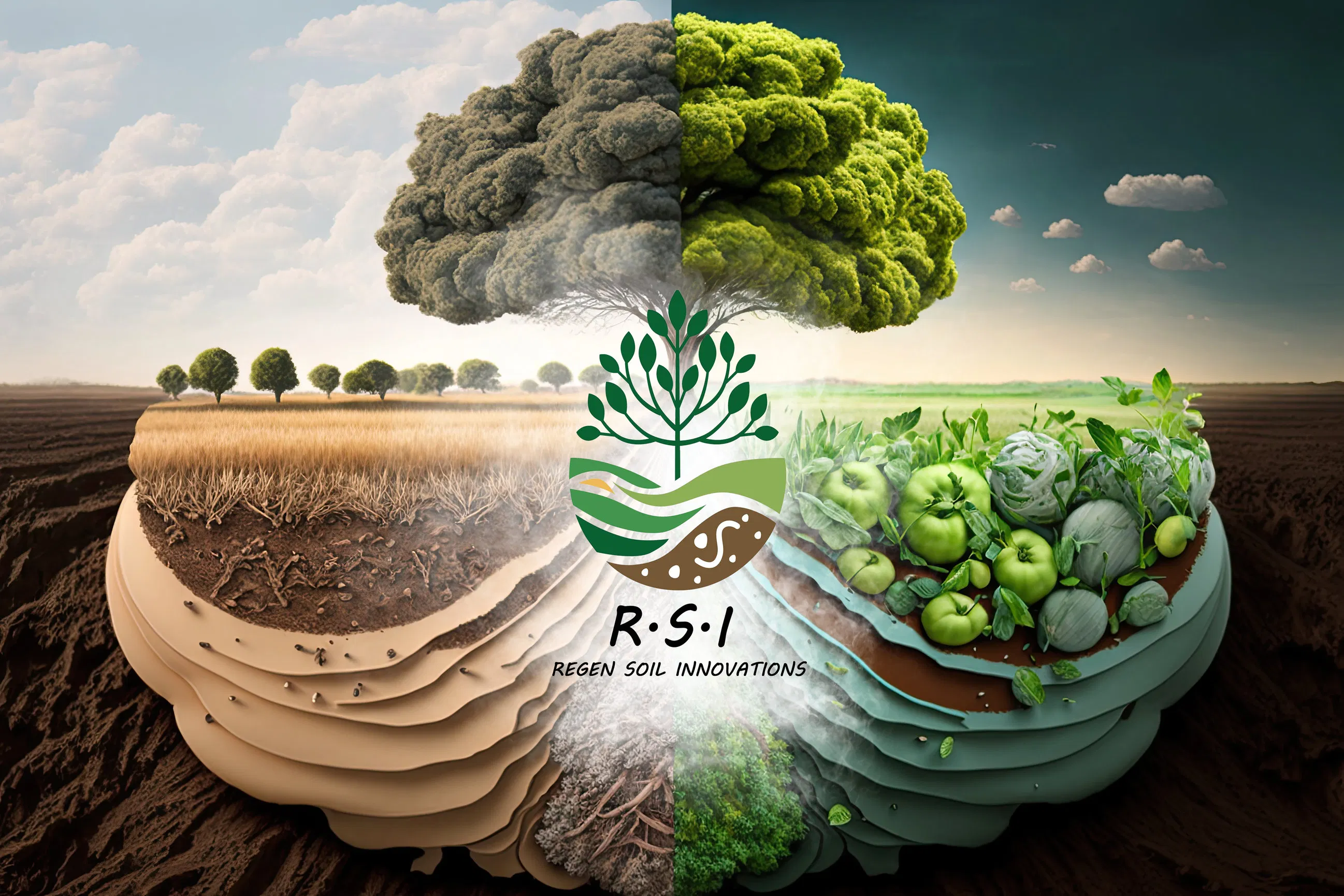
When we talk about Soil Health, we are talking about the diversity and balance of these microscopic architects. If you have a diverse microbial population, your plants are more resilient, your yields are cleaner, and your flavor profiles (terpenes, for you cannabis connoisseurs) are significantly more complex.
The Recipe: Building Your Living Soil Foundation
If you’re a beginner, you don't need a PhD in soil science to get started. You just need a solid base. We recommend a balanced, "thirds-based" approach to ensure proper drainage, aeration, and biological capacity.
The Standard 1:1:1 Mix:
- 33% Aeration: Think perlite, pumice, or lava rock. This keeps the soil from compacting and ensures your microbes have the oxygen they need to breathe.
- 33% Organic Base: Sphagnum peat moss or coconut coir. This provides the structure and water-holding capacity.
- 33% High-Quality Compost/Worm Castings: This is your engine. This is where the initial biology and nutrient cycling begin.
Once you have your base, you’ll want to amend it with minerals (like rock dust) and organic nutrients (like kelp or crustacean meal). But here is the secret sauce: the Rhizo Logic® approach.
At Regen Soil, we’ve developed specific protocols to ensure your soil isn't just "organic" but truly "living." Our 5-Gallon Living Soil kits are designed to take the guesswork out of the equation, providing a pre-balanced ecosystem that is ready to thrive.
The "Cooking" Phase: Patience is a Virtue
One of the most common mistakes beginners make is planting into "hot" soil. When you mix fresh amendments and compost, the microbial activity spikes. This creates heat and can temporarily tie up nutrients as the bacteria go into a feeding frenzy.
We recommend letting your soil "cook" for at least 14 to 30 days. During this time, keep the soil moist but not soaking wet. You’re essentially allowing the microbial community to establish its infrastructure. You can think of it like letting a fine wine age or a sourdough starter develop.
Why Rhizo Logic® Matters
You might hear people talk about "Super Soil," but we prefer the term "Living Soil," and there's a reason for that. While super soils are often heavily amended and intended to be used once, living soils are designed to be a permanent, regenerating resource.
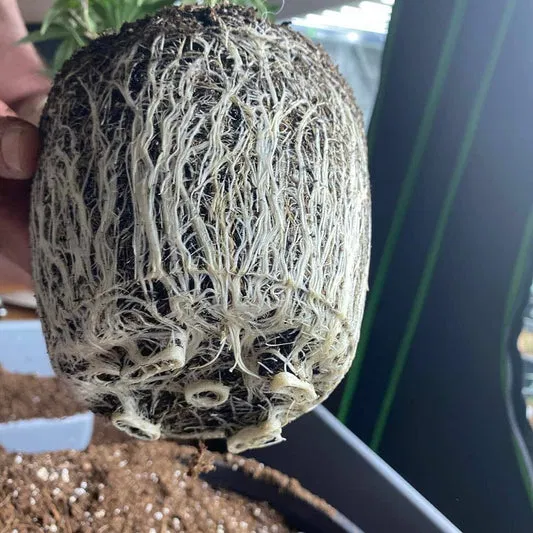
Our Rhizo Logic® products are specifically formulated to support this longevity. We focus on the rhizosphere, the thin layer of soil directly surrounding the plant roots where the most intense biological activity occurs.
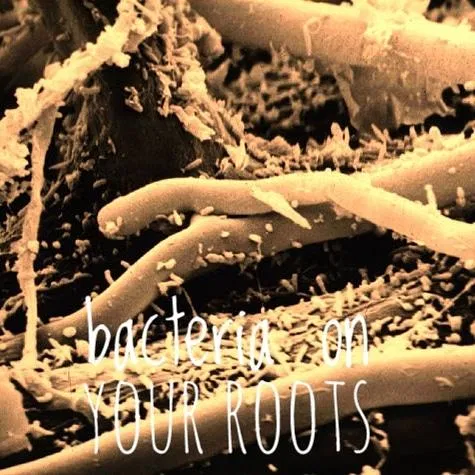
By utilizing our science-backed inoculants, you’re introducing specific strains of beneficial bacteria and fungi that are proven to enhance nutrient uptake and bolster the plant’s immune system. If you really want to know what’s going on under the hood, we always suggest starting with an Initial Soil Health (ISH) Assessment. It’s the difference between guessing and knowing.
Maintenance: The No-Till Philosophy
In a living soil system, we generally follow No-Till practices. Why? Because every time you pick up a shovel and turn the soil, you’re essentially hitting the "reset" button on the microbial city you’ve worked so hard to build.
Fungal networks, specifically Mycorrhizae, create long, delicate threads (hyphae) that act as an extended root system for your plants. Tilling snaps these threads. Instead of digging, we practice:
- Top-dressing: Adding nutrients and compost to the surface and letting the worms and water carry them down.
- Cover Cropping: Growing small plants like clover to keep the soil biology active even between main harvests. You can learn more about this in our guide on how to use cover crops.
- Mulching: Keeping the soil covered to retain moisture and protect the microbes from UV light.
Living Soil vs. Super Soil: A Quick Comparison
We get asked this a lot. Is there a difference? Absolutely.
| Feature | Living Soil (The RSI Way) | Traditional Super Soil |
|---|---|---|
| Longevity | Can be reused indefinitely. | Often depleted after 1-2 cycles. |
| Microbial Health | High diversity; self-sustaining. | Focused on nutrient content over biology. |
| Maintenance | Low-intervention; top-dressing. | Often requires "cooking" between every run. |
| Complexity | Mimics natural ecosystems. | Can be "hot" and cause nutrient burn. |
For a deeper dive into this comparison, check out our full article on Living Soil vs. Super Soil.
Troubleshooting for Beginners
Even with the best intentions, nature can be unpredictable. Here are a few things to watch for:
- Fungus Gnats: These are common in high-organic environments. Don't panic! It's usually a sign of overwatering. We have a comprehensive guide on tackling fungus gnats that won't kill your beneficial biology.
- Slow Growth: If your plants are lagging, the "engine" might be cold. Check your soil temperature and ensure you have enough microbial activity. A dose of Rhizo Logic® can often jumpstart the system.
- Purple Stems/Leaves: While sometimes genetic, this can also be a sign of environmental stress or nutrient lockout. Check out our breakdown of purple leaves on new growth to see if you need to adjust your parameters.
Frequently Asked Questions (FAQ)
1. Do I need to pH my water in living soil?
Generally, no. A healthy living soil acts as a buffer. The microbes regulate the pH in the rhizosphere to suit the plant's needs. However, if your tap water is extremely alkaline or contains high levels of chlorine/chloramine, we recommend filtering it or letting it outgas.
2. Can I use bottled nutrients with living soil?
You can, but why would you? Synthetic salts can actually harm your microbial populations. If you feel the need to supplement, stick to organic liquids or botanical teas.
3. How do I know if my soil is "working"?
Look for the signs: Is the soil dark and crumbly? Do you see earthworms? Is there a pleasant, earthy smell (geosmin)? Most importantly, are your plants vibrant and healthy? If yes, the ecosystem is thriving.
4. Is living soil only for cannabis?
Absolutely not! While many of our case studies focus on cannabis due to its high nutrient demands, living soil is the gold standard for regenerative agriculture at any scale: from tomatoes in your backyard to commercial vegetable operations.
Final Thoughts from Jeremy
Transitioning to living soil is more than just a change in gardening technique; it’s a change in mindset. It’s about moving from a role of "commander" to a role of "steward." When you align your garden with the principles of soil restoration, you’re not just growing better plants: you’re contributing to a healthier planet.
If you’re ready to stop guessing and start growing with the power of biology, we’re here to help. Whether you need a custom RSI Method consultation or just want to grab some Rhizo Logic® to boost your current beds, the Regen Soil community has your back.
What’s your biggest challenge with starting a living soil garden? Drop a comment below or reach out to us: we’d love to help you get your hands dirty (the right way).


