
The Carbon Sink in Your Backyard: The Technical Case for Residential Soil Sequestration
By Jeremy Standring
When we talk about climate change, the conversation usually shifts toward giant smokestacks, electric semi-trucks, or massive reforestation projects in the Amazon. But at Regen Soil, we like to look a little closer to home, specifically, right under your work boots.
Your backyard isn’t just a place for a grill and a patchy lawn; it is a sophisticated biological engine capable of scrubbing CO2 from the atmosphere and locking it underground. We aren’t talking about "feel-good" gardening here. We’re talking about regenerative agriculture principles applied to residential land management. If you manage your soil correctly, you are effectively running a carbon sequestration plant.
In this post, we’re going to dive deep into the math, the microbiology, and the technical mechanics of how a living soil system turns atmospheric carbon into stable soil organic matter.
The Massive Math of Small Spaces
To understand the impact of a single residential lot, we first have to look at the industry standard for carbon sequestration in healthy soil. In the world of soil science, we often use a benchmark: A 1% increase in Soil Organic Matter (SOM) in the top 6 inches of soil stores approximately 21 tons of CO2 per acre.
Now, most people don’t own a full acre of managed garden space. Let’s scale that down to a typical suburban lot of about 10,000 square feet (roughly 1/4 acre).
- 1 Acre = 43,560 sq. ft.
- Your Yard = 10,000 sq. ft. (~23% of an acre)
- Sequestration Potential = 21 tons * 0.23 = 4.83 tons of CO2
To put that in perspective, the average passenger vehicle emits about 4.6 metric tons of CO2 per year. By simply increasing the SOM in your 10,000 sq. ft. yard by a single percentage point, you are effectively offsetting the annual emissions of a car. If you have a larger property or achieve a 2% or 3% increase over time, you aren't just "carbon neutral", you’re a carbon hero.
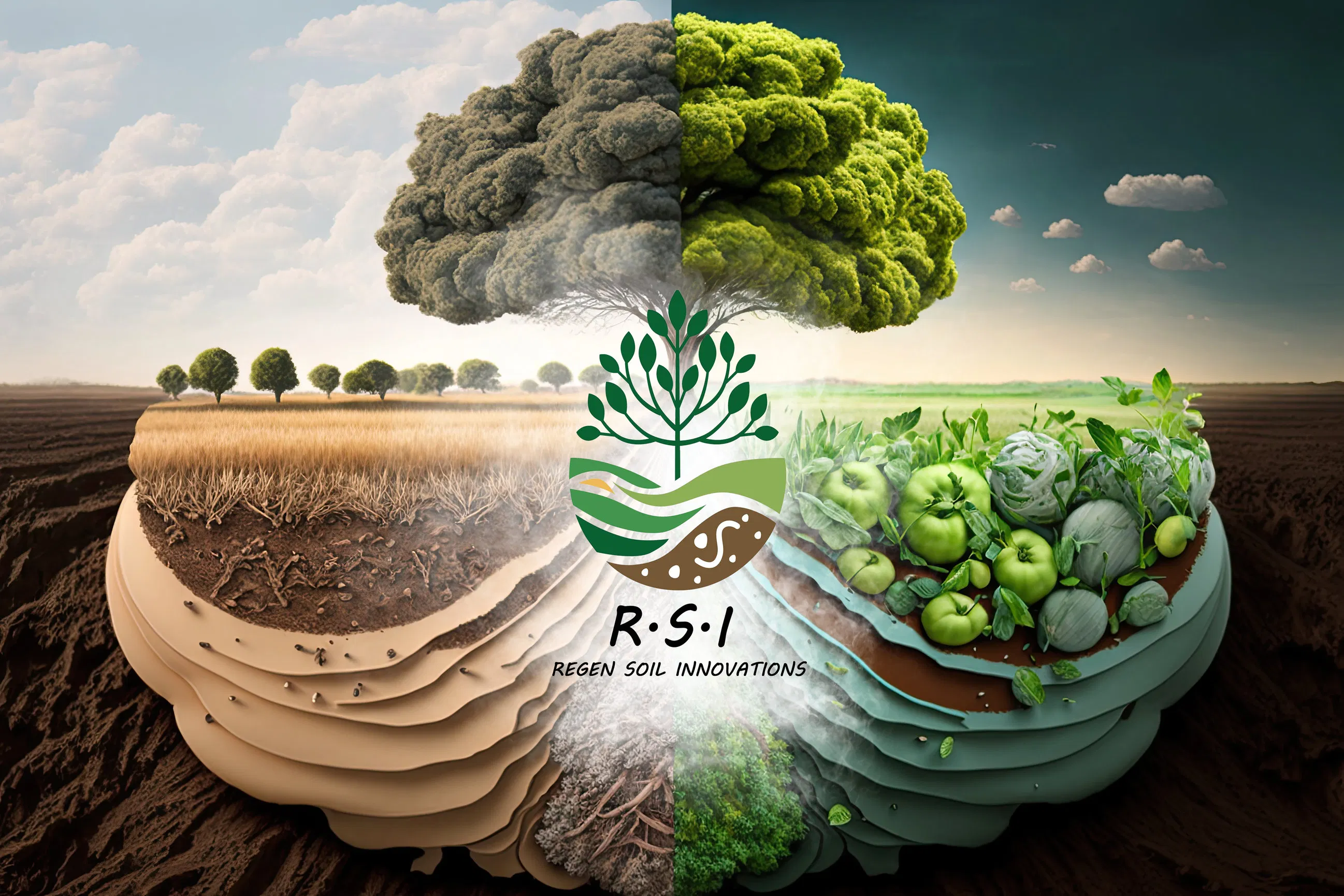
Understanding the "Carbon Ledger": SOM vs. SOC
In our Initial Soil Health Assessments, we often talk about Soil Organic Matter (SOM), but the technical driver of sequestration is Soil Organic Carbon (SOC).
What's the difference? Soil Organic Carbon (SOC) is the actual carbon component of the organic matter. On average, SOC makes up about 58% of SOM. When we calculate sequestration, we are looking at how much of that carbon is being successfully pulled from the air (as CO2 via photosynthesis) and converted into solid forms within the soil profile.
The challenge isn't just getting the carbon into the soil; it’s keeping it there. This is where the distinction between "dead" soil and "living" soil becomes critical.
The Carbon Flux: Living Soil vs. Dead Dirt
In a "dead" soil system, common in yards treated with heavy synthetic fertilizers and frequent tilling, the carbon flux is negative. Any organic matter added (like grass clippings) is quickly oxidized and released back into the atmosphere as CO2 because the microbial community is too degraded to process and stabilize it.
In contrast, a living soil system uses a complex web of biology to pump carbon deep into the earth. This is the foundation of the RSI Method, where we focus on building the biological infrastructure necessary to facilitate long-term storage.
The Rhizo Logic Approach: Microbial Carbon Pumps
How does the carbon actually get into the soil? It’s not just through decomposing leaves. The most efficient pathway is the Liquid Carbon Pathway.
Plants are essentially carbon vacuum cleaners. Through photosynthesis, they take CO2 and sunlight to create sugars. They don’t keep all these sugars for themselves; they pump up to 40% of them out through their roots as root exudates.
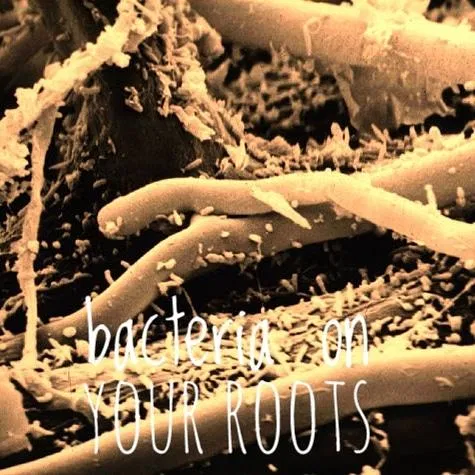
At Regen Soil, our Rhizo Logic™ Living Soil is designed to maximize this exchange. Here is the technical breakdown of the process:
- Exudation: The plant releases carbon-rich sugars, amino acids, and organic acids into the rhizosphere (the area around the roots).
- Microbial Recruitment: These exudates act as a "paycheck" for beneficial bacteria and fungi.
- Biomass Turnover: As these microbes eat, grow, and die, their bodies (microbial biomass) become part of the soil. This "necromass" is actually one of the most stable forms of soil carbon.
- Aggregation: Fungi produce glues like glomalin, which stick soil particles together into aggregates. These aggregates protect carbon from being broken down by oxygen and released as gas.
By using products like our Ultra Bio Boost (a Terrabiotics power-up), you are essentially supercharging the "pumps" that move carbon from the atmosphere into the microbial "bank account" of your soil.
MAOM: The Gold Standard of Stability
If we want to get really technical, we need to talk about Mineral-Associated Organic Matter (MAOM).
There are two main types of organic matter in your soil:
- Particulate Organic Matter (POM): This is the "checking account." It’s bits of leaves and roots. It’s easily accessible to microbes and cycles quickly (years to decades).
- MAOM: This is the "savings account." This occurs when organic carbon molecules chemically bond to silt and clay particles.
MAOM is incredibly stable and can stay locked in the soil for centuries. The fascinating part? Recent research shows that the most effective way to create MAOM isn't by adding compost, but through microbial processing. When microbes digest root exudates, their waste products are much more likely to bond with soil minerals and become MAOM. This is why microbial diversity is the secret weapon of carbon sequestration.

Practical Steps for Residential Carbon Sequestration
You don't need a PhD to start sequestering carbon, but you do need a strategy. Here is how we recommend transitioning a standard yard into a carbon sink:
1. Stop the "Burn" (No-Till)
Tilling is the fastest way to release stored carbon. It breaks open soil aggregates and exposes the carbon to oxygen, which turns it back into CO2. Switch to a "no-dig" or low-disturbance method.
2. Diversify the Living Root
Carbon sequestration happens where roots are active. A monoculture grass lawn is a weak pump. By introducing a variety of plants, clover, perennials, shrubs, and trees, you create a 3D root network that pumps carbon at different depths.
3. Use Living Soil Amendments
Instead of synthetic NPK fertilizers (which can actually cause microbes to "eat" the soil carbon to balance their diet), use biology-first amendments. Our Living Soil Patio Pro Kit is a great entry point for those with smaller spaces who want to see these technical results in action.
4. Monitor Your Progress
You can't manage what you don't measure. A Soil Health Assessment can give you a baseline of your current SOM. Over a few seasons, you can see that percentage climb, giving you a literal measurement of the CO2 you've pulled from the sky.
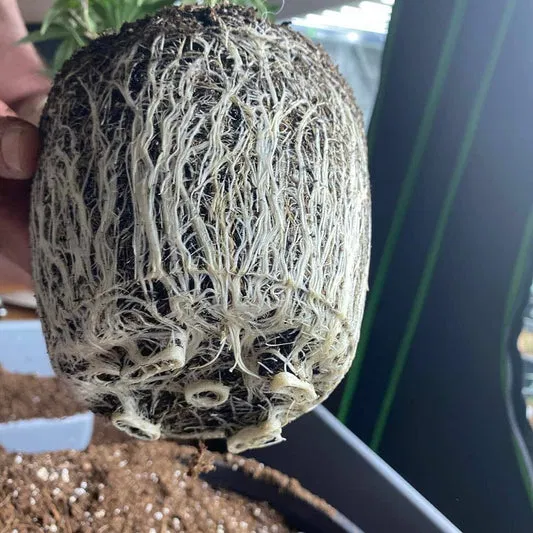
Comparison: Traditional vs. Regenerative Sequestration
| Feature | Traditional Chemical Lawn | Regenerative Living Soil |
|---|---|---|
| Carbon Status | Net Emitter (due to fertilizer/tilling) | Net Sink (Sequestration) |
| Soil Organic Matter | Decreasing or Stagnant | Increasing (Target 1% per 3 years) |
| Microbial Activity | Low (Bacterially dominant) | High (Diverse Fungal/Bacterial) |
| Water Retention | Low (Heavy runoff) | High (Every 1% SOM holds 20k gallons/acre) |
| Fertility Source | Synthetic Inputs | Rhizo Logic Nutrient Cycling |
Final Thoughts: The Power is in the Pores
At the end of the day, soil restoration is about more than just pretty flowers or a green lawn. It’s about building a resilient ecosystem that serves a global purpose. When you increase your soil organic matter, you aren't just helping your garden thrive; you are participating in a massive, decentralized climate solution.
By focusing on the technical marriage of plant roots and microbial life, we can turn every suburban backyard into a powerful carbon sink. If you're ready to stop guessing and start growing with a science-backed approach, we’re here to help you get there.
Have questions about the math of your backyard? Or maybe you want to know how to start your first soil health assessment? Drop a comment below or reach out to us directly. Let’s get that carbon where it belongs, in the ground.
FAQ: Soil Sequestration Basics
Q: How long does it take to see a 1% increase in SOM? A: With intensive regenerative practices and high-quality microbial inputs, we’ve seen significant gains in as little as 2-3 years, though 5-10 years is more common for stabilized MAOM.
Q: Can I sequester carbon in pots and raised beds? A: Absolutely! While the total volume is smaller, the principles remain the same. Using a high-quality 5-gallon living soil setup is a perfect way to maximize sequestration per square foot.
Q: Does it matter what kind of plants I grow? A: Yes. Perennials and plants with deep taproots (like certain cover crops) are generally more efficient at pumping carbon deeper into the soil profile where it is less likely to be disturbed.
Q: Is "Bio-boost" the same as "Rhizo Logic"? A: No. Bio-boost (including Ultra Bio Boost) is a Terrabiotics product used for soil recharging. Rhizo Logic is our dedicated brand for Living Soil products. Both work together in our systems-thinking approach to soil health.


