
The Banana Peel Fallacy: Why 'Garden Hacks' Fail Without Soil Biology
By Jeremy Standring
If you have spent more than five minutes on social media looking at gardening tips, you have undoubtedly seen them: the "miracle hacks" that promise lush, vibrant plants with nothing more than a banana peel buried in a pot or some crushed eggshells sprinkled on the surface. They make it look so simple: as if the plant just reaches out, grabs the peel, and absorbs the potassium instantly.
I’m going to be blunt: I am sick of seeing these "hacks." Not because organic matter isn't good: it is: but because these tips are missing the most critical piece of information. They treat the garden like a chemistry set where you just add "Ingredient A" to get "Result B." In reality, the garden is a complex, living biological system.
Without a diverse microbiome, that banana peel is just a piece of trash buried in the dirt. It isn’t helping your plants; in fact, if your soil biology is stagnant, that peel might actually be doing more harm than good.
The Chemistry vs. Biology Gap
Most people approach gardening from a chemical perspective. They think about Nitrogen (N), Phosphorus (P), and Potassium (K). While these nutrients are essential, the missing link is bio-availability.
Plants cannot "eat" a banana peel. They cannot "digest" an eggshell. Their root systems are designed to absorb ions dissolved in water, but those ions are locked inside the complex cellular structures of the organic matter you just threw in the hole. To unlock them, you need a workforce. You need the Soil Food Web.
When we talk about nutrient cycling, we are talking about the process where bacteria, fungi, protozoa, and nematodes break down organic compounds into inorganic, plant-available forms. If you don't have those microorganisms present in high enough concentrations and diversity, your "garden hacks" are effectively useless in the short term.
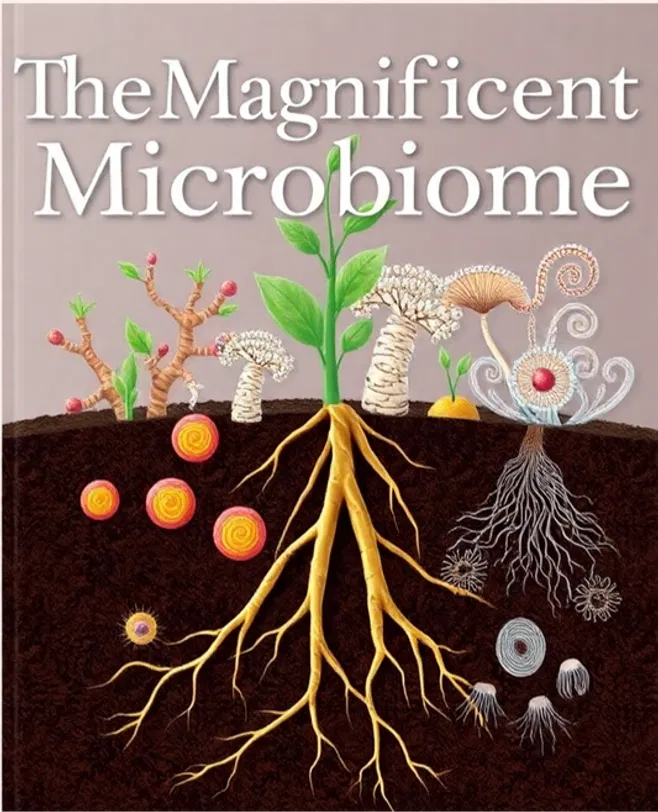
The Banana Peel Myth: Potassium Isn't Free
Banana peels are often touted as a "potassium bomb" for tomato plants. While it’s true that peels contain potassium, the way they are often used: buried whole or soaked in water to make "banana tea": is fundamentally flawed.
Why 'Banana Tea' is Mostly Water
Soaking a peel in a jar of water for 48 hours does not create a potent fertilizer. It creates slightly smelly water with a tiny fraction of leached minerals and a whole lot of opportunistic bacteria that may or may not be beneficial. Without the enzymatic action of decomposing fungi and specialized bacteria, the vast majority of the nutrients remain trapped in the fiber of the peel.
The Problem with Burying Whole Peels
When you bury a whole banana peel directly next to a plant's roots, you are creating an anaerobic pocket. In soil that lacks proper aeration and a healthy microbial population, that peel will rot slowly and turn into a slimy, foul-smelling mess. This can attract pests like fungus gnats or even rodents, and the lack of oxygen in that specific "rot zone" can actually repel or damage sensitive young roots.
The Eggshell Reality: A 10-Year Wait for Calcium
The eggshell hack is perhaps the most egregious. We see people crushing shells and putting them in the bottom of a hole to prevent blossom end rot in tomatoes.
Calcium carbonate, which makes up the bulk of an eggshell, is incredibly stable. If you drop an eggshell into a garden with poor soil biology, you can dig it up three years later and it will look exactly the same. For that calcium to become plant-available, it must be broken down by organic acids produced by microbes or plant roots.
If your soil is biologically "dead" because of synthetic fertilizers or over-tilling, those eggshells are basically just rocks. They won't solve a calcium deficiency this season, or likely even next season. You aren't feeding the plant; you're just littering in your own garden.
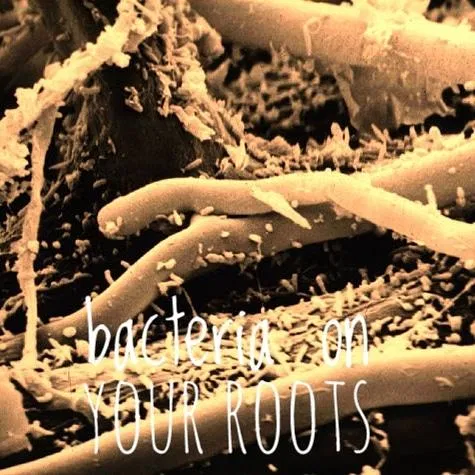
Systems Thinking: The Soil as a Living Organism
At Regen Soil, we use a systems-thinking approach. We don't look at inputs in isolation. We look at the Rhizosphere: the area of soil directly influenced by root secretions and microorganisms.
In a healthy system, the plant actually "farms" the microbes. It pumps out exudates (sugars and proteins) to attract specific bacteria and fungi. These microbes, in turn, go out and mine the soil for minerals: including the ones in your composted banana peels: and bring them back to the plant in exchange for those sugars.
This is why the foundation of your garden shouldn't be "hacks," but a robust, living medium. This is where Rhizo Logic® Living Soil comes into play. We designed Rhizo Logic® to be more than just "dirt." It is a pre-colonized ecosystem. When you add organic matter to a living soil like this, the transition from "waste" to "nutrient" happens at an accelerated rate because the workforce is already on-site.
Why Your Soil Might Be "Stagnant"
If you’ve been adding kitchen scraps and seeing no results, your soil might be missing its microbial diversity. Common reasons for a biological collapse include:
- Over-use of synthetic salts: High-salt fertilizers can dehydrate and kill soil microbes.
- Chlorinated water: Straight tap water can inhibit microbial growth over time.
- Lack of oxygen: Compacted soil prevents the aerobic microbes (the "good guys") from thriving.
To fix this, you don't need more banana peels. You need to recharge the system. We often recommend a product like Ultra Bio-Boost Soil Recharge (a Terrabiotics product) to kickstart the biological engine. It provides the microbial catalysts needed to actually process the organic matter you're adding. You can find it here: Ultra Bio-Boost Soil Recharge.
The Right Way to Use Kitchen Scraps
We aren't saying you should throw your banana peels in the trash. We are saying you should treat them with the respect that Soil Biology requires.
- Compost First: The most effective way to use kitchen scraps is to let them break down in a managed compost pile or vermicompost (worm bin) before they hit your garden beds. The worms and microbes do the heavy lifting, turning the waste into humus and plant-available nutrients.
- Chop Them Up: If you must add them directly to the soil, chop them into tiny pieces. This increases the surface area for microbes to attack.
- Use a Living Foundation: Ensure your plants are growing in a medium that can actually handle the decomposition. Rhizo Logic® products are engineered to maintain the bacterial and fungal ratios necessary for effective nutrient cycling.
Conclusion: Stop Hacking, Start Growing
Gardening is not a series of shortcuts. It is the stewardship of an ecosystem. When you see a "hack" that bypasses the natural process of decomposition and microbial interaction, be skeptical.
True success in the garden comes from building a Magnificent Microbiome. When you focus on the health of the soil biology, the plants take care of themselves. You won't need to worry about burying eggshells because your soil will already be a nutrient-dense powerhouse that can provide everything the plant needs, exactly when it needs it.
If you're ready to move past the viral myths and start building real soil health, check out our RSI Method or contact us for an Initial Soil Health Assessment. Let’s stop "hacking" and start regenerating.
Frequently Asked Questions
1. Does putting banana peels in water really do nothing?
It’s not "nothing," but it’s very little. You might get a small amount of leached potassium, but without microbial breakdown, the bulk of the nutrition stays in the peel. Furthermore, "banana water" can attract pests and promote the growth of unwanted pathogens if left to sit too long.
2. How long does it take for eggshells to break down in the garden?
In "dead" or compacted soil, eggshells can take years: even a decade: to fully decompose. To make them useful, you should pulverize them into a fine powder and ensure your soil has a healthy fungal population to provide the organic acids needed to dissolve the calcium.
3. What is the difference between "dirt" and "Living Soil"?
Dirt is just minerals (sand, silt, clay). Living Soil, like our Rhizo Logic® Living Soil, is a functional ecosystem containing organic matter and a diverse community of beneficial bacteria, fungi, and other microorganisms that actively cycle nutrients and protect plant roots.
4. Can I just use store-bought fertilizer instead?
Synthetic fertilizers provide nutrients in a "salt" form that plants can absorb instantly. However, they often bypass the soil's natural biology, leading to long-term soil degradation, salt buildup, and a total reliance on chemical inputs. Living soil creates a self-sustaining system that builds health over time.
5. How do I know if my soil biology is healthy?
Look for signs of life! Healthy soil should have an earthy smell (not sour or rotten), visible fungal hyphae (white threads), and plenty of earthworms. For a scientific deep dive, we recommend our Initial Soil Health Assessment (ISH) to see exactly what’s happening at a microscopic level.


