
Why Rhizo Logic® Will Change the Way You Grow: Real Success Stories from the Field
By Jeremy Standring
For decades, the agricultural industry has been stuck in a cycle of "feeding the plant." We’ve been taught that if a plant looks yellow, add nitrogen. If it’s not fruiting, add phosphorus. This reactive, input-heavy approach treats the soil as nothing more than a structural medium: a blank slate to hold up a plant while we pump it full of synthetic salts.
At Regen Soil, we believe it is time to move beyond this "N-P-K mentality." Through our Rhizo Logic® system, we focus on the Living Soil ecosystem. The goal isn't just to grow a crop; it's to build a biological engine that does the heavy lifting for you. We are talking about nutrient cycling, sequestration, and the restoration of microbial populations that have been decimated by decades of tillage and chemical applications.
In this deep dive, we’ll explore how Rhizo Logic® functions as a systems-thinking framework and share real-world success stories from growers who have transitioned from "chasing problems" to "managing systems."
The Core Philosophy: Soil as an Ecosystem, Not a Medium
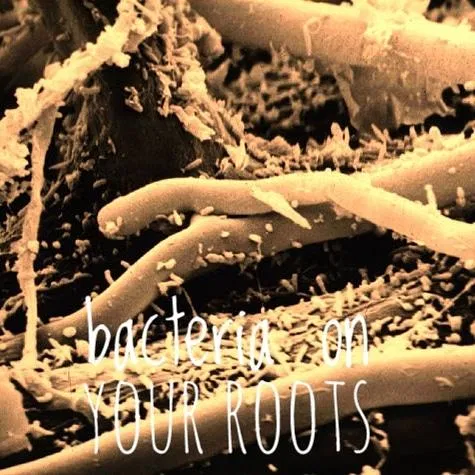
When we talk about Rhizo Logic®, we are referring to a systematic approach to Living Soil. Unlike conventional methods that rely on external inputs, Rhizo Logic® leverages the "intelligence" of the rhizosphere: the narrow region of soil directly influenced by root secretions and associated soil microorganisms.
We view the soil through two primary lenses:
- The House (Structure): The physical arrangement of soil particles, aggregates, and pore spaces that allow for gas exchange and water movement.
- The Community (Microbiology): The bacteria, fungi, protozoa, and nematodes that cycle nutrients, build organic matter, and protect the plant from pathogens.
By focusing on these two components, we facilitate natural nutrient cycling. In a healthy living soil system, the plant releases exudates (sugars and proteins) to "hire" specific microbes. These microbes, in turn, solubilize minerals from the soil parent material and deliver them directly to the roots.
Why Rhizo Logic® Changes the Results
The transition to a Rhizo Logic® system isn't just about being "eco-friendly"; it's about superior performance. We have found that when growers switch to our Living Soil methodology, they experience five critical shifts:
- Higher Yields with Lower Inputs: Once the biology is established, the need for synthetic fertilizers drops. The soil begins to recycle its own fertility.
- The "Sponge" Effect: Increased organic matter and better aggregation mean the soil holds more water during droughts and drains better during heavy rains.
- Reduced Pest and Disease Pressure: A biologically diverse soil outcompetes pathogens. We often see a significant reduction in root rot and fungal infections because the "good guys" occupy all the available ecological niches.
- Enhanced Root Development: Without the barrier of compaction or the "laziness" caused by excessive synthetic feeding, roots grow deeper and more robustly.
- Long-Term Resilience: The system becomes "forgiving." It buffers pH swings and temperature extremes, protecting your investment.
Real Success Stories from the Field
To understand the impact of Rhizo Logic®, we have to look at the data and the dirt. Here are three case studies from our partners who moved away from conventional management toward a soil restoration mindset.
Case Study 1: Breaking the Compaction Cycle
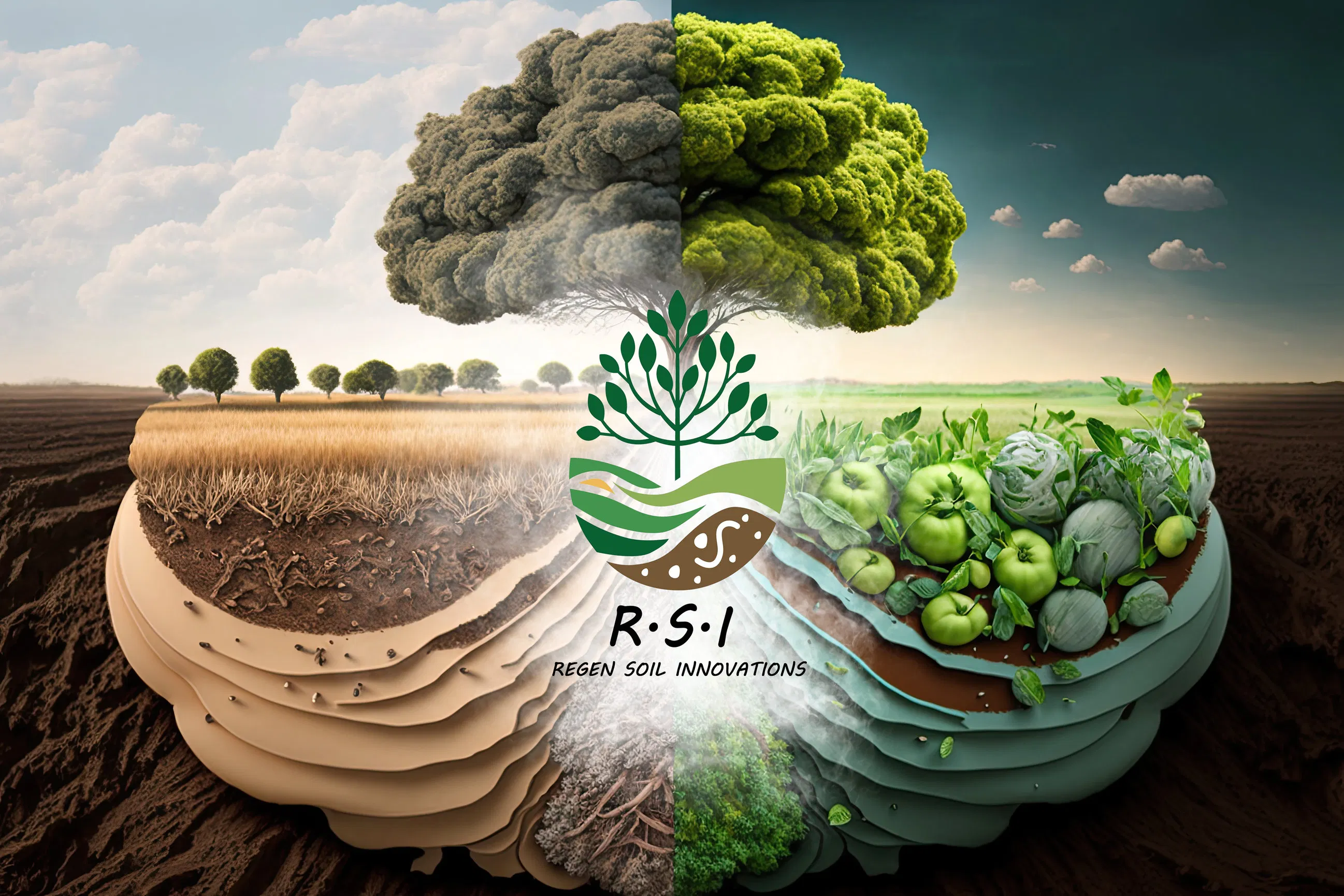
The Problem: A commercial grower in the Midwest was dealing with heavy, "brick-like" soil. Despite regular tillage and high-dose N-P-K applications, yields were plateauing. The soil was so compacted that water would sit on the surface for days after a rain, essentially drowning the roots.
The Rhizo Logic® Strategy: We implemented a no-till transition combined with diverse cover crop mixes. We introduced specialized Rhizo Logic® Living Soil inoculants to kickstart the fungal networks.
The Result: Within two seasons, the soil structure had transformed. Using penetrometers, we measured a 40% reduction in compaction layers. The grower reported that the soil felt "cottage cheese-like" in texture. Most importantly, the farm maintained record yields while cutting their synthetic nitrogen budget by 30%.
Case Study 2: Conquering High-Alkalinity and Sandy Soils
The Problem: In the Western US, one of our partners struggled with sandy soil and a pH consistently above 8.5. In these conditions, nutrients like iron and phosphorus become "locked up," leading to stunted, chlorotic plants. The grower was spending thousands on pH down and chelated minerals with little success.
The Rhizo Logic® Strategy: Instead of fighting the chemistry with more chemicals, we focused on microbial biomass. We used Rhizo Logic® Living Soil to introduce a diverse microbiome that naturally buffers the rhizosphere.
The Result: The microbes began producing organic acids that locally lowered the pH around the roots. The "leaky" sandy soil began to hold moisture better as microbial glues (like glomalin) started forming aggregates. The plants turned a deep, vibrant green for the first time in years, without the need for constant acid injections.
Case Study 3: The Drought-Resilient Market Garden
The Problem: A market gardener was losing a significant portion of their crop every August due to heat stress and water limitations. Even with daily irrigation, the plants were wilting because the soil lacked the "holding power" to keep moisture accessible to the roots.
The Rhizo Logic® Strategy: We moved the garden to a full Living Soil system, focusing on building the Soil Food Web. We utilized The Magnificent Microbiome guide to educate the staff on maintaining fungal-to-bacterial ratios.
The Result: The soil became a "sponge." During a record-breaking heatwave in 2025, this garden remained productive while neighboring farms saw their crops bolt or wither. The gardener noted that their irrigation frequency was cut in half, saving both water and labor.
Systems-Thinking: Tailoring Your Approach
Whether you are a home gardener or a commercial operator, the principles of Rhizo Logic® remain the same, but the execution differs.
For the Beginner
If you are just starting, focus on minimal disturbance. Stop digging and start mulching. Use our Living Soil Patio Pro Kit to see the difference a biologically active medium makes in a controlled environment. You’ll spend less time measuring pH and more time watching your plants thrive.
For the Commercial Operation
Scaling regenerative agriculture requires data. We recommend starting with an Initial Soil Health (ISH) Assessment. We use digital sensors and lab analysis to map your soil’s current state. This allows us to create a tailored restoration plan that integrates Rhizo Logic® principles into your existing workflow without disrupting production.

Technical Deep Dive: The Role of Fungi in Nutrient Cycling
One of the most misunderstood aspects of soil health is the role of Mycorrhizal fungi. In a conventional system, high-salt fertilizers actually kill or suppress these fungi.
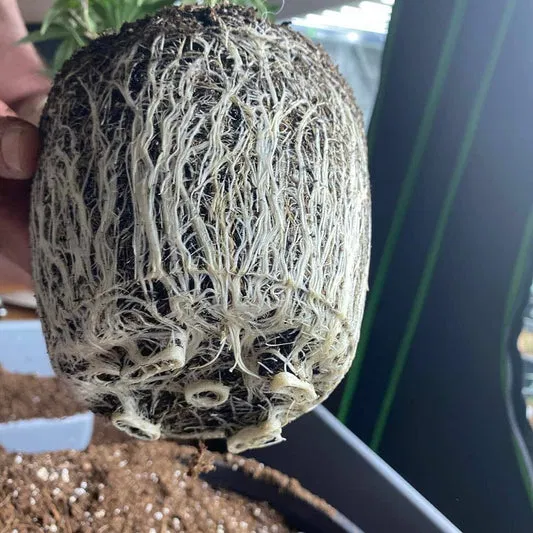
In a Rhizo Logic® system, we prioritize these fungal networks. They act as an extension of the plant's root system, reaching into tiny soil pores that roots can't access. These fungi are particularly adept at mining phosphorus and transporting water from several feet away. When you see those thick, white root balls in a Living Soil container, you aren't just seeing roots; you are seeing a massive biological partnership.
FAQ: Common Questions About Rhizo Logic®
Q: Do I still need to use fertilizers with Rhizo Logic®?
A: In the beginning, you may need minimal supplemental feeding as you transition. However, our goal is to build a system where the nutrient cycling is so efficient that external inputs become almost unnecessary. We focus on feeding the soil biology, which in turn feeds the plant.
Q: How long does it take to see results?
A: You will see improved plant vigor and water retention within the first 30–60 days. However, the full restoration of a degraded field can take 2–3 seasons to reach its peak biological potential.
Q: Is Rhizo Logic® compatible with my existing irrigation system?
A: Absolutely. In fact, many growers find they can reduce their irrigation frequency because Living Soil has a much higher water-holding capacity than "dead" soil.
Q: What is the difference between Rhizo Logic and Bio-boost?
A: Rhizo Logic® is our brand for Living Soil products and systems designed to build the ecosystem. Bio-boost (such as Ultra Bio-Boost) is a Terrabiotics product designed to provide a high-energy microbial charge to existing systems. While they work toward similar goals, Rhizo Logic is about the environment, and Bio-boost is about the boost.
Let’s Restore Your Soil Together
The success stories we see every day aren't just about better vegetables or higher profits: they are about a fundamental shift in how we relate to the Earth. By adopting the Rhizo Logic® framework, you are choosing a path of regeneration and long-term sustainability.
Are you ready to stop fighting your soil and start working with it? Whether you need a full Soil Health Assessment or you're just looking for the best Living Soil on the market, we are here to help.
What has been your biggest struggle with soil health this season? Let us know in the comments below, or reach out to us directly for a consultation. Let’s get growing!


