
Soil Restoration 101: A Beginner’s Guide to Mastering Living Soil Ecosystems
By Jeremy Standring
Let’s get one thing straight right out of the gate: soil is not "dirt." Dirt is what you find under your fingernails after a long day in the garden or what you sweep off your porch. Soil, however, is a vibrant, breathing, and incredibly complex biological engine. When we talk about soil restoration, we aren't just talking about adding a bag of fertilizer and hoping for the best. We are talking about resuscitating a living organism that has, in many cases, been treated like a sterile medium for decades.
At Regen Soil, we’ve seen it all, from dust-bowl backyard plots to commercial farms that have lost their soul (and their soil). The good news? Nature is resilient. If you give the ground the right tools and get out of its way, it will reward you with a flourishing ecosystem. This guide is your roadmap to transitioning from a "dirt mover" to a "soil steward" using the principles of regenerative agriculture.
Why Your Soil is "Broken" (And How to Tell)
Before we fix it, we have to understand what went wrong. Conventional gardening and farming often rely on a "chemical IV drip." You provide synthetic N-P-K (Nitrogen, Phosphorus, Potassium), the plant grows, and you repeat. But in this process, the microbial populations, the bacteria, fungi, and protozoa that actually run the show, are killed off or go dormant.
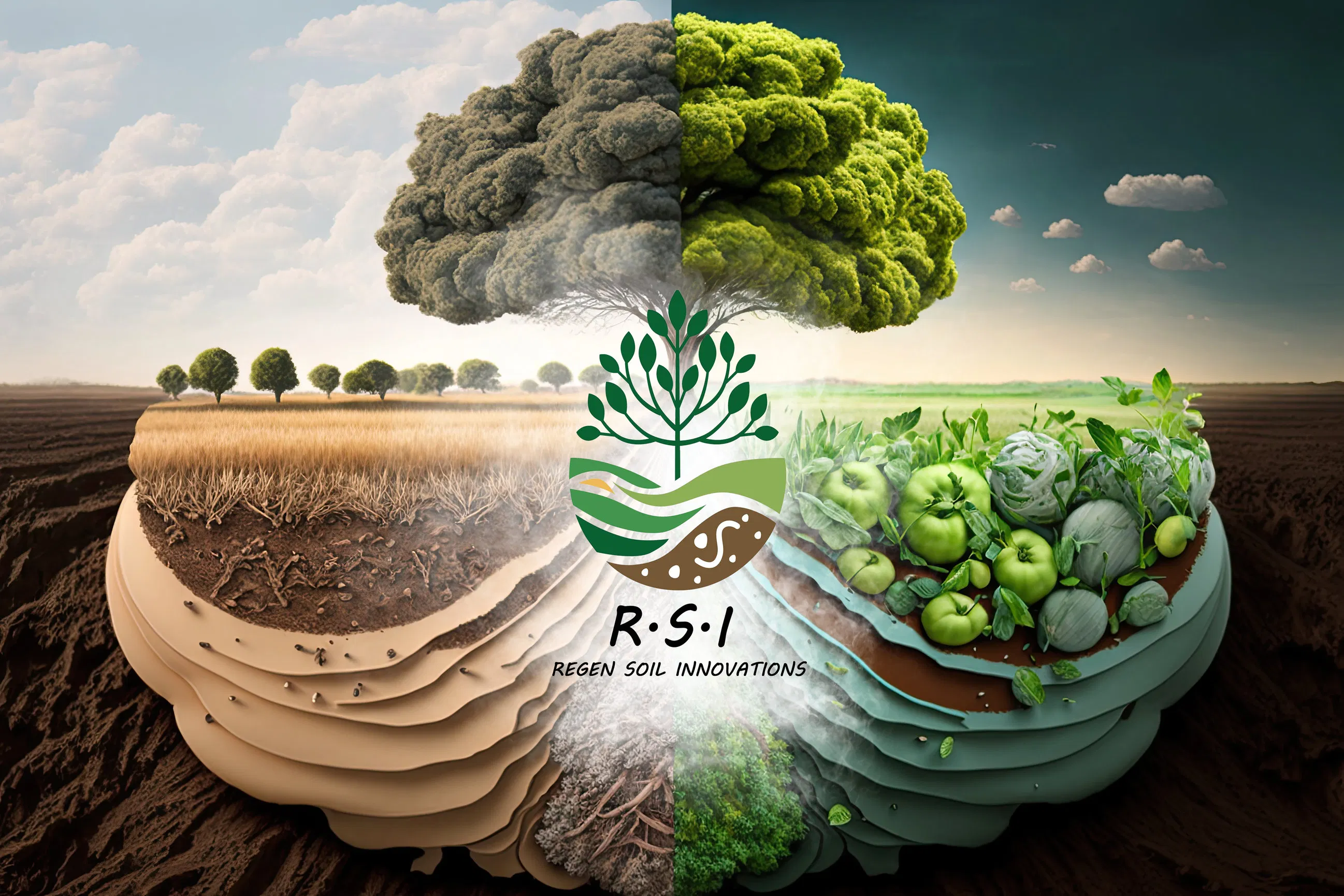
If your soil is hard-packed, doesn’t hold water, or requires constant chemical intervention to keep plants green, your ecosystem is degraded. It’s time for a restoration. We recommend starting with a professional ISH Assessment to see exactly who (or what) is living in your root zone.
The 5 Core Principles of Soil Restoration
In the world of regenerative organic living systems, we follow five foundational pillars. These aren't just suggestions; they are the laws of the land if you want a thriving garden.
- Improving Gaseous Exchange: Plants need to breathe. Compaction is the enemy. We focus on creating "pockets" in the soil that allow for root penetration and air flow.
- Optimizing Mineral Fertility: It’s not just about more minerals; it’s about the right balance. We use nutrient balancing to ensure the plant has everything it needs to build complex sugars.
- Increasing Microbial Biomass: This is the heart of what we do. We feed the soil biology so the biology can feed the plants.
- Maximizing Solar Energy: More plants = more photosynthesis. We want to capture as much sunlight as possible to pump liquid carbon into the soil.
- Capturing and Storing Moisture: Healthy soil acts like a sponge. Through soil restoration, we increase organic matter, which allows the ground to hold onto rainfall instead of letting it run off.
Step 1: The Initial Assessment (Don’t Guess, Test)
You wouldn't perform surgery without an X-ray, right? So why are you dumping lime or sulfur into your yard without knowing your pH or mineral levels?
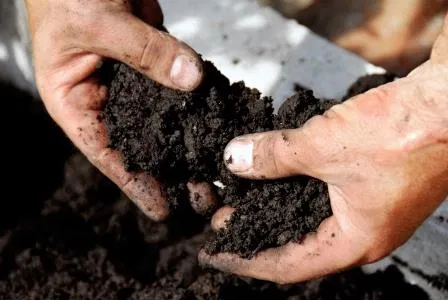
For Beginners: Start by looking at your soil. Is it dark? Does it smell like a fresh forest floor (earthy) or like a swamp (sour)? Use the USDA Web Soil Survey to understand your land's history, but for the real "deep dive," you need a biological analysis.
For Experienced Growers: We suggest looking beyond the standard chemical test. Our Soil Health Assessment looks at the fungal to bacterial ratios, which are critical for determining what types of plants will thrive.
The Secret Sauce: Rhizo Logic® and the Living Soil Food Web
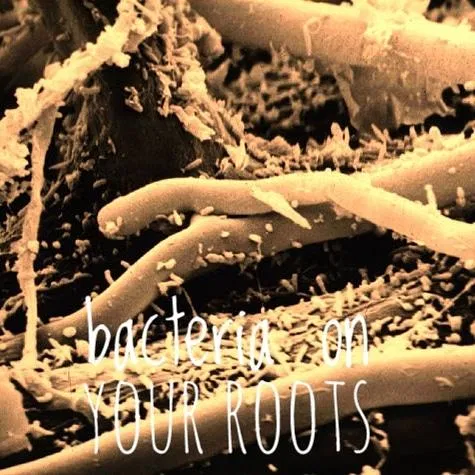
When we talk about "Living Soil," we are talking about the Rhizosphere, the area immediately surrounding plant roots. This is where the magic happens.
Our proprietary Rhizo Logic® approach focuses on this specific zone. The goal is to establish a colony of beneficial microbes that act as a security detail and a catering service for your plants. These microbes break down minerals and "trade" them to the plant in exchange for carbon (sugars).
- Bacteria: The "recyclers" that break down simple organic matter.
- Fungi: The "highway system" (Mycorrhizae) that extends the reach of roots to find water and phosphorus.
- Protozoa: The "predators" that eat bacteria and poop out plant-available nitrogen.
By using products like our 5 Gallon Living Soil, you are essentially importing a fully functional city of microbes directly into your containers or garden beds.
Practical Methods to Restore Your Soil Today
If you’re ready to get your hands dirty, here are the most effective ways to kickstart the restoration process:
1. No-Till Gardening
Every time you turn the soil with a tiller, you are essentially creating a microbial earthquake. You shatter the delicate fungal networks (hyphae) and expose dormant weed seeds to the light. Stop the tilling. Instead, layer organic matter on top and let the worms do the work for you.
2. Cover Cropping
Nature hates being naked. If you leave soil bare, the sun will bake the microbes and the wind will carry away your topsoil. Plant cover crops like clover, vetch, or rye. They provide "armor" for the soil and keep the living roots feeding the microbes year-round. For cannabis enthusiasts, check out our guide on cover crops for cannabis.
3. High-Quality Compost and Mulch
Don’t just buy the cheap "forest products" bag from the big-box store. You want humus, well-broken-down organic matter. Applying a 3-inch layer of high-quality compost can transform the biology of your soil in a single season.
4. Biological Inoculants
Sometimes the soil is so degraded that the "good guys" aren't there anymore. This is where we step in. Using Rhizo Logic® products helps reintroduce the specific strains of microbes that your plants need to thrive.
Note: If you are looking for a general fertility boost in more traditional settings, we often recommend Bio-Boost by Terrabiotics to supplement the mineral needs of your crop while you build your soil biology.

Addressing Different Grower Needs
We know our audience ranges from the "first-time tomato grower" to "large-scale commercial operations." Here is how to apply these principles:
- Beginners: Start small. Focus on one raised bed. Use living soil, keep it mulched, and stop using synthetic pesticides. You’ll be amazed at how much easier gardening becomes when the soil does the work.
- Experienced Growers: It's time to master your fungal:bacterial ratios. Depending on whether you're growing annuals (vegetables) or perennials (trees), your soil needs different microbial balances. Read more on finding balance below.
- Commercial Operations: Restoration at scale is about ROI. By restoring soil health, you reduce input costs (less fertilizer, less water, fewer pesticides) and increase the nutrient density and shelf-life of your product.
Monitoring Your Success
How do you know if it's working? Aside from the fact that your plants will look like they’re on steroids (the natural kind), you can use technology to track your progress. We use tools like the Regen Soil Pulse to monitor EC (electrical conductivity), moisture, and temperature in real-time.

FAQ: Common Soil Restoration Questions
Q: How long does soil restoration take?
A: You’ll see physical changes (better water infiltration) in a few months, but a full biological restoration usually takes 1–3 years of consistent regenerative practices.
Q: Can I restore soil that has been heavily sprayed with chemicals?
A: Yes! But it requires an aggressive "biological jumpstart." You’ll need to inoculate with beneficial microbes and provide plenty of carbon (compost/mulch) to buffer the remaining salts and toxins.
Q: Is "Super Soil" the same as "Living Soil"?
A: Not quite. "Super Soil" is often heavily amended with minerals and fertilizers designed to last a whole season. "Living Soil" focuses on the ecosystem: the microbes that cycle those nutrients indefinitely. We did a deep dive on this here.
Join the Regeneration Movement
At the end of the day, soil restoration is about more than just better yields: it’s about healing the planet, one square foot at a time. By focusing on living soil ecosystems, we are sequestering carbon, protecting our waterways, and growing food that actually nourishes us.
We’ve spent years perfecting the RSI Method to make this science accessible to everyone. Whether you are battling fungus gnats or trying to understand purple leaves on your new growth, we are here to help.
What’s your biggest struggle with your soil right now? Drop a comment below or reach out to us for a personalized consultation. Let’s stop treating our soil like dirt and start treating it like the foundation of life.
Ready to get started? Check out our Rhizo Logic® collection and let's bring your garden back to life!


