
5 Steps How to Restore Topsoil and Increase Biodiversity (Easy Guide for New Land Managers)
By Jeremy Standring
In the world of regenerative agriculture, we often say that we aren't just growing plants; we are growing soil. For new land managers, the task of restoring degraded acreage can feel overwhelming. You might be looking at compacted, dusty, or nutrient-stripped land and wondering where the life went.
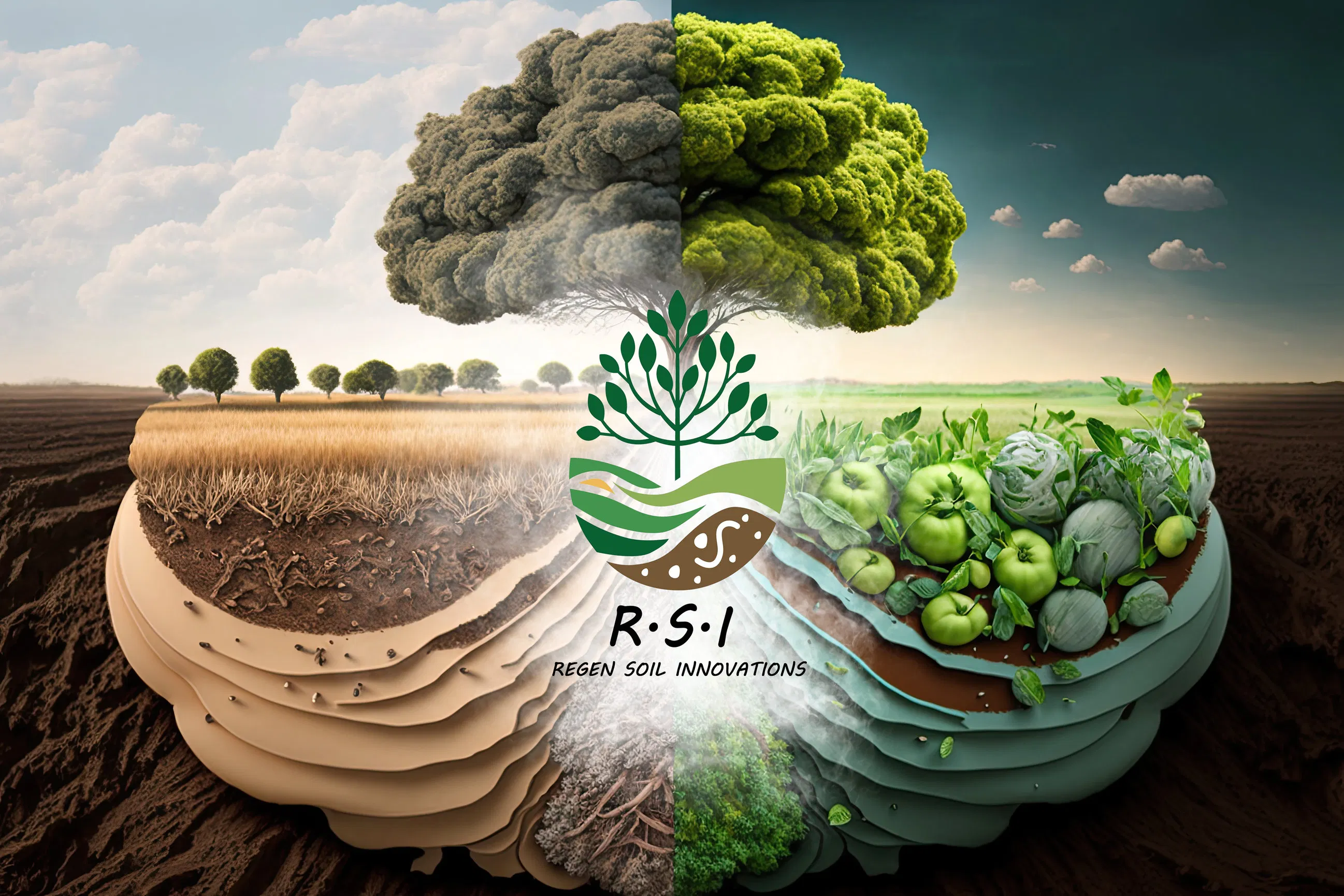
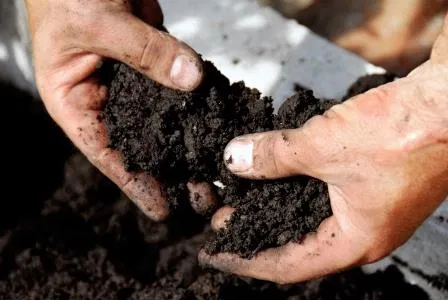
The truth is that topsoil is a living, breathing skin of the Earth. When it’s healthy, it’s a complex matrix of minerals, organic matter, and billions of microorganisms working in harmony. When it’s degraded, the "biological engine" has stalled. At Regen Soil, we specialize in restarting that engine.
Restoring topsoil isn’t about dumping synthetic fertilizers onto the ground; it’s about rebuilding the living soil ecosystem. By following these five steps, you can transition from "managing dirt" to "stewarding a thriving ecosystem."
1. Rebuild Biology and Soil Structure
The foundation of any restoration project is the soil’s physical and biological architecture. Degraded soils are often compacted, meaning there is no room for air or water to move. This anaerobic environment kills off beneficial aerobic microbes and prevents root penetration.
The Biological Kickstart
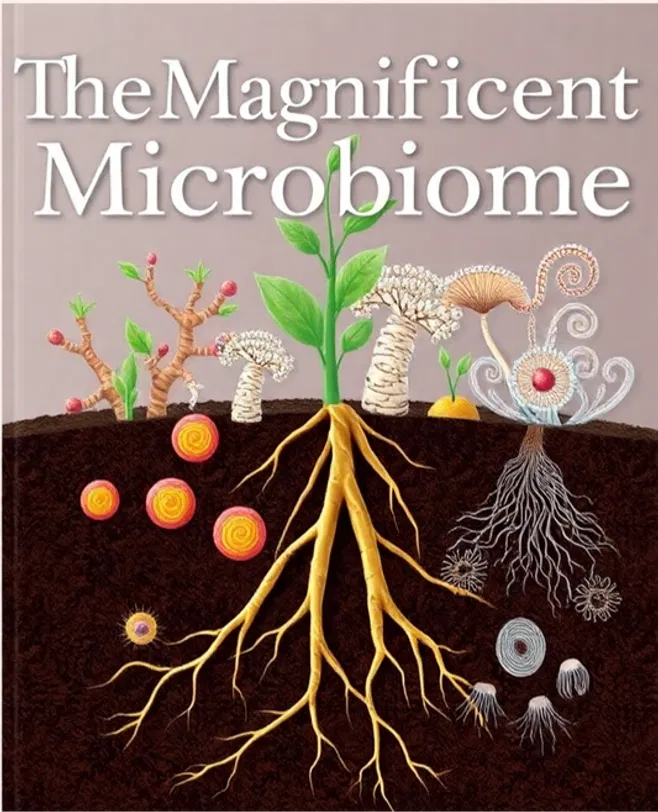
We recommend starting with a high-quality biological amendment. This is where Rhizo Logic® (our signature living soil solution) and Bio-boost (a powerful Terrabiotics treatment) come into play. While traditional fertilizers provide N-P-K, these products provide the "workers", the bacteria and fungi, that actually build soil structure.
- Action: Apply a 1-inch layer of high-quality organic compost mixed with microbial inoculants.
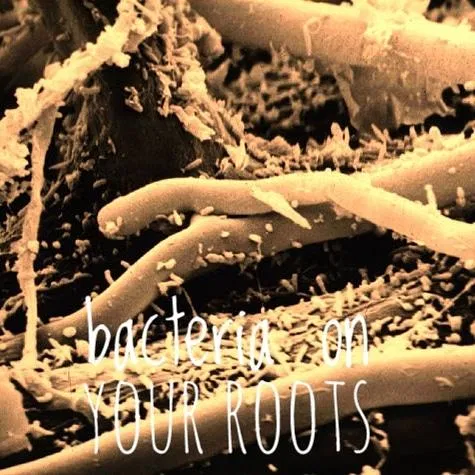
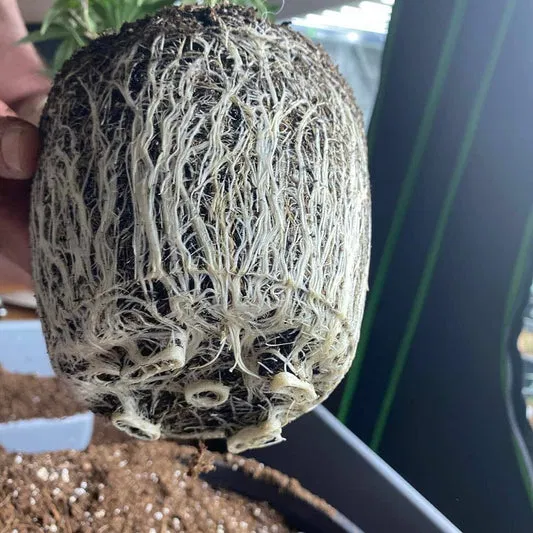
- Deep Dive: Focus on the rhizosphere (the area around plant roots). This is where the magic happens. By using Rhizo Logic® products, you are introducing beneficial colonies that coat the roots, unlocking tied-up nutrients and creating "glomalin", a biological glue that binds soil particles into healthy aggregates.
2. Establish Continuous Ground Cover
Nature abhors a vacuum, and it definitely abhors bare soil. Bare soil is subject to "armouring" from raindrops, which causes crusting and erosion. It also heats up significantly under the sun, often reaching temperatures that literally cook the soil microbiome.
Armor Your Soil
We have found that the most successful land managers keep the ground covered 365 days a year. This is achieved through a combination of mulching and cover crops.
- Mulching: Use straw, wood chips, or fallen leaves to protect the surface. As these break down, they provide "slow-burn" fuel for your fungi.
- Cover Cropping: Instead of leaving a field fallow, plant a diverse mix of species. Cover crops keep the "liquid carbon pathway" open, meaning plants are constantly pumping sugars into the soil to feed microbes.
- Resource: Check out our complete guide on cover crops to see how different species serve different roles in soil health.
3. Increase Biodiversity Through Native Vegetation
Biodiversity above ground is a mirror of biodiversity below ground. A monoculture (growing only one type of plant) only feeds a specific group of microbes, leading to an unbalanced ecosystem.
Intercropping and Native Plants
We suggest planting native vegetation that is naturally adapted to your local climate and soil type. Native plants often have deeper root systems that help with carbon sequestration and water infiltration.
- The 3-Tier Approach: Aim for a mix of grasses, legumes (nitrogen fixers), and forbs (flowering plants).
- Intercropping: Pair complementary plants together. For example, planting deep-rooted radishes next to nitrogen-fixing clover allows one to break up compaction while the other feeds the soil.
- Why it works: Different plants exude different types of carbon compounds. A diverse "menu" of root exudates leads to a diverse "community" of soil organisms.
4. Implement Strategic Land Management (Rotational Grazing)
If your land management includes livestock, they can be your greatest tool for topsoil restoration, or your greatest liability. Continuous grazing (letting animals stay in one field for months) leads to overgrazing and soil compaction.
Adaptive Multi-Paddock (AMP) Grazing
We recommend mimicking the movement of wild herds. By bunching livestock together and moving them frequently, you achieve three things:
- Even Distribution of Manure: Natural fertilizer is spread across the whole field.
- Mechanical Stimulation: Hoof action breaks up the soil surface just enough to allow seeds to germinate without destroying the soil structure.
- Rest Periods: Plants are allowed to fully recover and grow deep roots before being grazed again.
Note: If you don't have livestock, you can mimic this effect through "mow and drop" techniques, where you cut cover crops and leave them to decompose on the surface.
5. Minimize Soil Disturbance and Chemical Use
You can’t build a house while someone is knocking down the walls. Tillage (plowing) is the most destructive thing you can do to a living soil system. It shatters fungal networks, collapses worm tunnels, and exposes organic matter to rapid oxidation (releasing CO2 into the atmosphere).
The Transition to No-Till
We encourage moving toward a "No-Till" or "Low-Till" system. This keeps the delicate soil food web intact.
- Chemical Reduction: Synthetic fertilizers and pesticides often act as "microbial salts," dehydrating or poisoning the very organisms you are trying to cultivate.
-
Comparison: Synthetic vs. Biological
- Synthetic: Provides immediate but short-lived nutrients; degrades soil structure over time; creates plant dependency.
- Biological (Regen Soil Method): Rebuilds long-term fertility; improves water retention; creates a self-sustaining ecosystem.
Technical Deep Dive: The Rhizo Logic® Advantage
When we talk about Rhizo Logic®, we are referring to the science of the Rhizosphere. In a healthy system, plants "trade" up to 40% of their photosynthetic energy with microbes in exchange for minerals.
By using our ISH Assessment (Initial Soil Health), we can see exactly which microbial groups are missing. Are you low on protozoa? (Check out our article on soil protozoa: the microscopic architects). Or perhaps your fungal-to-bacterial ratio is off? Understanding these ratios is the difference between a "guessing game" and a "science-backed restoration strategy."
FAQ for New Land Managers
Q: How long does it take to see results?
A: While building an inch of topsoil naturally can take hundreds of years, regenerative agriculture practices can show significant biological improvements in just one growing season. You will notice better water infiltration and darker soil color within 6-12 months.
Q: Can I restore soil that has been heavily sprayed with chemicals?
A: Yes. However, it requires a "detox" period. Using Bio-boost (Terrabiotics) can help accelerate the breakdown of chemical residues and re-establish a healthy microbial population.
Q: Is restoration expensive?
A: Initially, there are costs for seeds and biological amendments. However, long-term costs decrease significantly as you stop paying for synthetic inputs and start relying on the soil's natural nutrient cycling.
Q: Do I need a microscope?
A: While not strictly necessary for beginners, having an expert assessment can save you years of trial and error by identifying exactly what your soil needs.
Moving Forward
Restoring the land is a journey of observation. As you implement these steps, you’ll start to see life return: first in the form of healthier plants, then more insects, and eventually a whole web of biodiversity.
At Regen Soil, we are here to guide you through that process. Whether you are managing a backyard garden or hundreds of acres, the principles of living soil remain the same.
If you’re ready to stop guessing and start growing, consider starting with our Initial Soil Health Assessment. Let’s work together to bring your land back to its full potential.
What is the biggest challenge you are facing with your soil right now? Let us know in the comments below or reach out to us directly for a consultation!


