
7 Mistakes You’re Making with Living Soil (and How to Fix Them Immediately
By Jeremy Standring
At Regen Soil, we believe that the transition from traditional synthetic gardening to regenerative agriculture is one of the most rewarding journeys a grower can take. However, it’s also one of the steepest learning curves. When we talk about living soil, we aren’t just talking about dirt in a pot; we are talking about a complex, breathing ecosystem.
In our years of providing soil health consulting, we’ve seen brilliant growers struggle because they applied "bottled nutrient" logic to a biological system. This mismatch in philosophy leads to stunted growth, pests, and frustration. If you’re using our Rhizo Logic® (Living Soil) systems, we want to ensure you’re getting the maximum ROI from your microbiology.
Here are the seven most common mistakes we see in the field and the immediate fixes to get your ecosystem back in balance.
1. The "Wet Feet" Syndrome: Overwatering
This is the number one killer of beneficial microbes. In a traditional coco or rockwool grow, you might water until you see 20% runoff. In living soil, if you see heavy runoff, you’ve likely already caused an environmental disaster in the root zone.
The Technical Problem:
Excess water fills the pore spaces in the soil, driving out oxygen. This creates anaerobic conditions. When the soil goes anaerobic, beneficial aerobic bacteria and mycorrhizal fungi die off, replaced by pathogens like Pythium (root rot).
The Fix:
We recommend using the "knuckle test" or, better yet, a digital moisture meter. Your soil should feel like a wrung-out sponge: moist but not dripping. If you’re looking for precision, our Initial Soil Health Assessment can help you determine the specific water-holding capacity of your custom blend.
2. Treating It Like a Bottled Nutrient Grow
Many growers move to living soil but keep their shelf full of high-salt synthetic fertilizers. This is a fundamental "systems-thinking" error.
The Technical Problem:
Synthetic nutrients are often delivered as mineral salts. These salts are hygroscopic: they suck the moisture out of the microscopic bodies of your soil biology, effectively mummifying your microbial workforce. When you use heavy synthetics, you bypass the plant’s natural ability to trade carbon for nutrients, rendering the Rhizo Logic® ecosystem dormant.
The Fix:
Stop feeding the plant and start feeding the soil. Switch to Terrabiotics like Bio-boost to stimulate the biological processes already present. Focus on organic inputs that require microbial breakdown, such as crustacean meal or kelp, which encourage the soil food web to work for you.

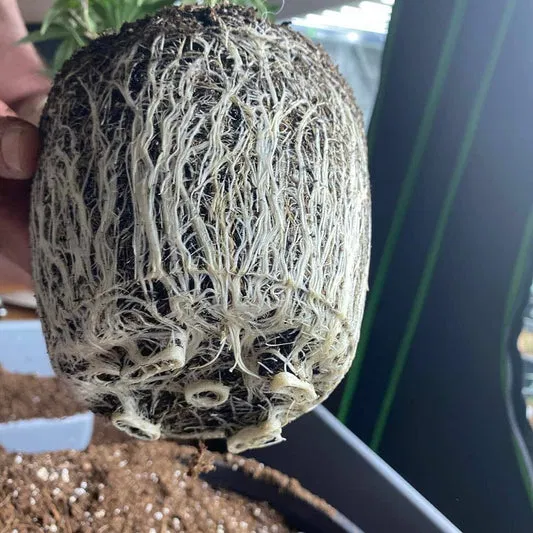
3. Soil Compaction and the "Oxygen Starvation" Trap
We often see growers packing their pots down tight to fit more soil in. While it seems logical to give the plant more "food," you are actually suffocating the roots.
The Technical Problem:
Healthy soil requires macropores and micropores for gas exchange. Microbes breathe just like we do. Without adequate aeration, the soil restoration process halts because the bacteria responsible for nutrient cycling cannot survive.
The Fix:
Ensure your mix has at least 30% aeration components like pumice, perlite, or rice hulls. If you are working with existing beds, never step on the soil. We advocate for a "no-till" or "minimal-disturbance" approach to keep the delicate fungal hyphae intact.
4. Neglecting Microbial Diversity
A common misconception is that once you add microbes, they stay there forever in perfect ratios. In reality, microbial populations fluctuate based on temperature, moisture, and available food sources.
The Technical Problem:
Over time, certain dominant species may take over, or environmental stress may wipe out specific functional groups (like protozoa or nematodes). This leads to a "biological bottleneck" where nutrients are present in the soil but aren't being converted into plant-available forms.
The Fix:
Regular re-inoculation is key. We suggest using high-quality worm castings or a specialized microbial tea. Introducing a diverse range of biology ensures that no matter the conditions, there is a microbial "specialist" ready to perform. Check out our guide on brewing liquid gold for a deep dive into microbial tea.
5. Failing to Reamend Between Cycles
"Living soil is reusable" does not mean "living soil is an infinite battery." While the biology is self-sustaining, the raw minerals and elements (Calcium, Magnesium, Phosphorus) are physically removed from the system when you harvest your plants.
The Technical Problem:
By the second or third cycle, your Cation Exchange Capacity (CEC) might still be high, but the actual "gas in the tank" is empty. This leads to mid-flower deficiencies that are difficult to correct once the plant’s metabolic rate is peaking.
The Fix:
After every harvest, you must perform soil reamendment. This involves top-dressing with a balanced organic blend and adding a fresh layer of mulch. We highly recommend using cover crops to keep the soil "active" during the off-season, pulling nitrogen from the air back into the earth.
6. Ignoring Fungal-to-Bacterial (F:B) Ratios
Not all living soil is created equal. A vegetable garden needs a different microbial profile than a cannabis canopy or a fruit orchard.
The Technical Problem:
Cannabis, for example, thrives in soil that is slightly fungal-dominant or balanced (1:1 ratio). Many off-the-shelf "organic" soils are heavily bacterial because they are composed of unfinished compost. This can lead to pH fluctuations and poor terpene development.
The Fix:
Incorporate woody materials or fungal inoculants to shift the ratio toward fungi. Understanding these microscopic architects is vital for long-term success. We’ve written extensively on understanding fungal/bacteria ratios to help you find that perfect balance.

7. Flying Blind: The "Guess and Check" Method
The biggest mistake we see is growers waiting for a leaf to turn yellow before they take action. In regenerative agriculture, by the time you see a visual deficiency, the biological system has been failing for weeks.
The Technical Problem:
Without data, you are just guessing. Soil pH, Electrical Conductivity (EC), and moisture levels are the three pillars of a healthy Rhizo Logic® system. If any of these are out of spec, your microbial workforce goes on strike.
The Fix:
Invest in monitoring. Whether it’s a simple soil test or a real-time digital interface, having eyes "under the hood" changes everything.

Case Study: From Sterile to Sterling
We recently worked with a mid-sized commercial operation that was seeing declining yields in their "living soil" beds. After our Initial Soil Health Assessment, we discovered they were making mistakes #1, #2, and #5 simultaneously. They were overwatering to flush out "salts" that shouldn't have been there, and they hadn't reamended in two cycles.
By implementing a strict Rhizo Logic® re-inoculation schedule and switching to Bio-boost for their supplemental feeding, they saw a 22% increase in terpene production and a significant reduction in fungus gnats within a single cycle.
Frequently Asked Questions (FAQ)
How often should I water my living soil?
There is no "one size fits all" answer, but generally, you want to water when the top 1-2 inches of soil feel dry. Living soil holds water longer than synthetic mediums, so you will likely water less frequently but more intentionally.
Can I use Bio-boost with any living soil?
Absolutely. Bio-boost is a Terrabiotics product designed to enhance the biological activity in any organic system. It works synergistically with the microbes to accelerate nutrient cycling.
Do I need to pH my water in living soil?
While the biology acts as a buffer, we recommend keeping your input water between 6.2 and 6.8. If your water is extremely alkaline or acidic, it can eventually overwhelm the soil's natural buffering capacity.
What is the best way to fix compaction?
Avoid digging or tilling. Instead, use a broadfork (for large beds) or simply add more aeration components and high-quality worm castings to the top layer. The worms and microbes will eventually work those materials down, "tilling" the soil for you biologically.
Ready to Elevate Your Soil Health?
Regenerative agriculture is about working with nature, not against it. By avoiding these seven common mistakes, you’re not just growing plants: you’re stewarding an ecosystem.
If you’re feeling overwhelmed or your garden isn't performing the way it used to, we’re here to help. From our 5-Gallon Living Soil kits to professional Soil Health Assessments, Regen Soil has the tools and expertise to bring your dirt back to life.
Have a question about your specific setup? Drop a comment below or reach out to us directly. Let’s grow together!


