
5 Steps How to Restore Topsoil and Activate Living Soil (Easy Guide for New Land Managers)
By Jeremy Standring
If you have recently stepped into a role as a land manager, farmer, or even a dedicated homestead gardener, you have likely realized that the secret to a thriving landscape isn't found in a bottle of synthetic fertilizer. It is found beneath your feet. Most "dirt" in modern landscapes is functionally dead, it lacks the biological infrastructure needed to support healthy plant life without constant chemical intervention.
At Regen Soil, we specialize in moving land managers away from "dirt" and toward living soil. Restoring topsoil isn't just about adding dirt; it’s about biological activation. We use a systems-thinking approach to help you transition from a high-input, low-yield cycle to a self-sustaining ecosystem.
In this guide, we’ll break down the five essential steps to restore your topsoil and activate the Rhizo Logic® (Living Soil) systems that drive long-term productivity.
Understanding the Difference: Dirt vs. Living Soil
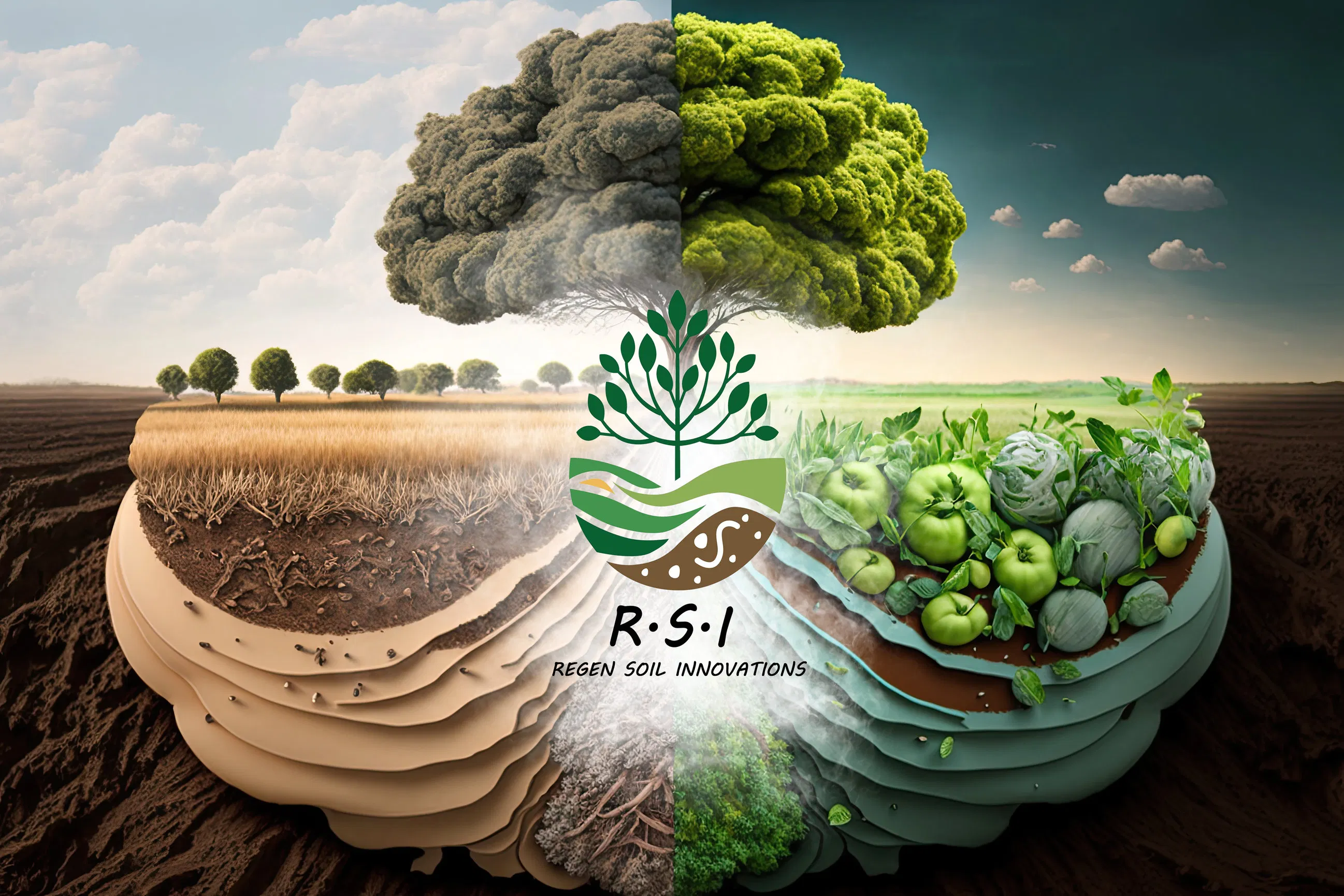
Before we dive into the steps, we need to define our terms. Dirt is a collection of minerals (sand, silt, and clay) that is biologically inert. It has no structure, holds little water, and requires synthetic nitrogen to grow anything.
Living Soil, on the other hand, is a complex biological matrix. It contains organic matter, minerals, and a massive community of microorganisms, bacteria, fungi, protozoa, and nematodes, working in harmony. When we talk about soil health, we are talking about the capacity of this living system to function as a vital living ecosystem that sustains plants, animals, and humans.
Step 1: Infuse Organic Matter and "Bio-boost" the System
The first step in restoration is providing the fuel. Organic matter is the currency of the soil. Without it, your microbial "workforce" has nothing to eat. We recommend starting with high-quality compost or aged manure, but for those looking to accelerate the process, you need Terrabiotics.
Why Organic Matter Matters
Organic matter improves soil structure, increases water-holding capacity, and provides a slow-release source of nutrients. However, raw organic matter takes time to break down. This is where a product like Bio-boost comes in. As a Terrabiotics solution, Bio-boost acts as a catalyst, speeding up the decomposition process and making nutrients immediately available to the emerging microbial community.
Pro-Tip for Beginners: Aim to cover your target area with 1-2 inches of high-quality compost. If you are dealing with large acreage, look into green manures (crops grown specifically to be turned back into the soil).
Step 2: Stop the "Slice and Dice" – Eliminate Tillage
One of the most common mistakes new land managers make is reaching for the rototiller. While it creates a "clean" looking seedbed, tillage is the enemy of soil restoration.
The Damage of Tillage
When you till the soil, you are physically destroying the fungal hyphae, the "internet" of the soil that transports nutrients and water between plants. You also collapse the soil aggregates, leading to compaction and poor aeration.
We recommend:
- No-till or Low-till methods: Use a broadfork or specialized no-till seeders.
- Sheet Mulching: Layering organic material directly over the ground to suppress weeds and build soil from the top down.
- The RSI Method: At Regen Soil, we promote the RSI Method, which focuses on minimal disturbance to preserve the delicate microbial architecture.
Step 3: Armor Up – Maintain Constant Ground Cover
Nature hates a vacuum, and it hates bare soil even more. Bare soil is subject to "baking" by UV rays, which kills surface microbes, and erosion from wind and rain.
Living Armor vs. Mulch
To restore topsoil, you must keep it covered 365 days a year.
- Mulch: Using wood chips, straw, or leaves provides immediate protection and eventually breaks down into topsoil.
- Cover Crops: This is the "gold standard." Plants like clover, vetch, and cereal rye keep living roots in the ground. Living roots exude sugars (exudates) that feed the soil microbiome, ensuring the Rhizo Logic® system remains active even between primary harvests.
Step 4: Biological Inoculation with Rhizo Logic®
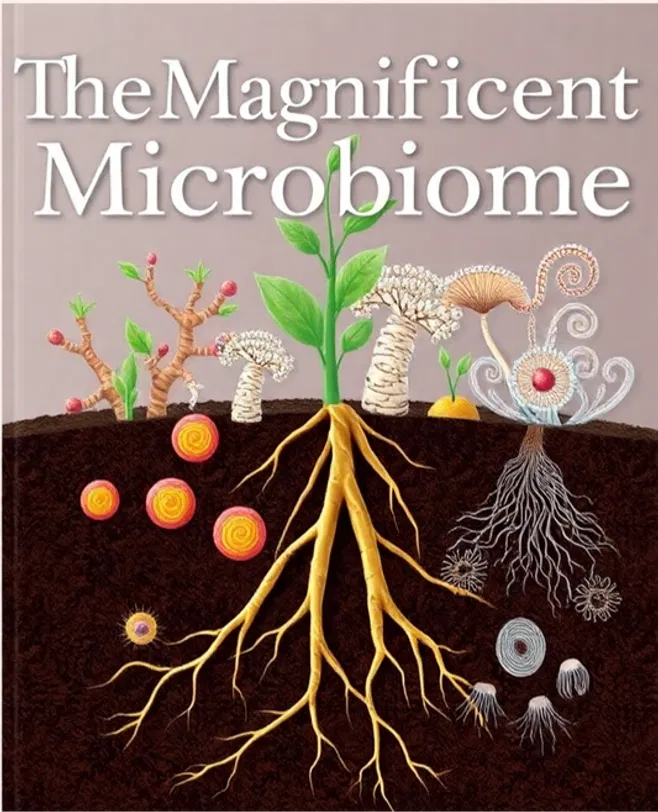
If your soil has been chemically treated or heavily tilled for years, the beneficial microbes are likely gone. You can't just wait for them to return; you have to invite them back. This is what we call "Activating Living Soil."
Introducing the Workforce
We utilize Rhizo Logic® products to reintroduce the specific strains of bacteria and fungi that are essential for nutrient cycling. These microbes unlock minerals that are already in your soil but are currently "chemically locked" and unavailable to plants.
A vs. B: Synthetic Fertilizers vs. Microbial Inoculants
- Synthetic Fertilizers (A): Provide a quick "sugar hit" of N-P-K but degrade soil structure over time and leach into groundwater.
- Microbial Inoculants (B): Build a self-sustaining system where microbes mine nutrients for the plants in exchange for carbon. This is true regenerative agriculture.
Step 5: Diversify and Monitor
The final step is to move away from monocultures. A diverse range of plants supports a diverse range of microbes. Different root depths and different exudates create a robust, resilient ecosystem that can withstand drought and pests.
Data-Driven Management
As a new land manager, you shouldn't have to guess if your restoration is working. We recommend an Initial Soil Health Assessment (ISH). This isn't your standard N-P-K test from the local hardware store; it is a deep dive into the biological life present in your soil.

By monitoring metrics like microbial biomass and nutrient availability via tools like the Regen Soil Pulse, you can see the "heartbeat" of your land in real-time.
Comparison: Conventional vs. Regenerative Management
| Feature | Conventional (Dirt) | Regenerative (Living Soil) |
|---|---|---|
| Primary Input | Synthetic Chemicals | Organic Matter & Microbes |
| Soil Structure | Compacted / Dust | Aggregated / Spongy |
| Water Needs | High (Rapid runoff) | Low (High retention) |
| Pest Resistance | Dependent on Pesticides | Natural Biological Defenses |
| Long-term Cost | Increasing (Input dependent) | Decreasing (Self-sustaining) |
FAQ: Restoring Topsoil
Q: How long does it take to see results?
A: While nature takes 500 years to build an inch of topsoil, regenerative practices can show significant biological improvement in just one growing season. By using Rhizo Logic® and Bio-boost, you can see visible changes in plant vitality within weeks.
Q: Is this feasible for large-scale operations?
A: Absolutely. In fact, large-scale operations often see the biggest financial benefit because they can significantly reduce their spend on expensive synthetic fertilizers and diesel (from less tilling).
Q: Do I need to buy special equipment?
A: Most of the restoration happens through not doing things (like not tilling). The most important "equipment" you can have is a good soil test and a commitment to keeping the ground covered. You can browse our collection for specific biological starters to get you moving.
Start Your Journey Today
Restoring the earth starts with a single acre: or even a single garden bed. As land managers, we have the responsibility to leave the soil better than we found it. By following these five steps, you aren't just growing plants; you are stewarding an ecosystem.
If you’re feeling overwhelmed or don't know where to start with your specific soil type, we’re here to help. You can meet Jeremy to learn more about our philosophy or contact us directly for a consultation.
What is the biggest challenge you're facing with your soil right now? Leave a comment below or reach out: we’d love to help you activate your living soil!


