
Sand to Soil Part 5: The Biological Jump Start (Compost Teas & Extracts)
By Jeremy Standring
In the previous installments of our "Sand to Soil" series, we diagnosed the fundamental failures of sandy soil and took the first physical step toward remediation: mixing in high-quality compost. We’ve successfully transitioned our five-gallon Living Roots cloth pot from a bucket of "dead" garden sand into a sand-compost substrate.
Physically, the change is visible. The mix is darker, it holds a bit more moisture, and it has some initial structure. But biologically? It’s still in the early stages of a long-term recovery. Think of the compost we added as the "house" and the "pantry." It provides the structure and the food, but to really get the gears of nutrient cycling turning, we need to move the tenants in.
Today, we are giving this system a biological jump start using compost teas and extracts. This is where we move from soil physics into the realm of high-level soil microbiology.
Where We Are: From Dead Sand to a "Pre-Soil" Mix
Before we dive into the liquid gold, let’s recap why we are here. Plain sand is like a straw with holes in it: everything you put in just falls out. By adding 20–40% microbe-rich compost, we provided organic matter and surface area. However, the microbial populations in static compost are often "resting." To turn our sand into living soil, we need an active, diverse, and mobile microbial community that can colonize every grain of sand in that pot.
We aren't just looking for "more bacteria." We are looking for a complete soil food web that includes fungi, protozoa, and beneficial nematodes. This is where the concept of the "inoculum" comes into play.
The Concept: Habitat vs. Life
At Regen Soil, we often use an analogy to explain soil restoration:
- The Sand: The foundation of the building.
- The Compost: The walls, the plumbing, and the refrigerator full of food (the habitat).
- The Compost Tea/Extract: The people moving into the building to start working (the life).
If we simply added the compost and waited, the microbes would eventually spread. But in the harsh environment of sandy soil, that process is slow and prone to failure. By using a liquid drench, we are physically washing millions of beneficial soil microbes into the tiny pores of the sand-compost mix. We are coating every surface with a protective film of life.

Compost Tea vs. Compost Extract: Which One Do You Need?
There is a lot of confusion in the gardening world about the difference between a "tea" and an "extract." While they look similar in a watering can, they serve slightly different functions in a living soil system.
Compost Extract
An extract is made by mechanically "washing" the microbes off the compost into water. You aren't trying to grow more microbes; you are simply taking the diverse community that already exists in your high-quality compost and putting them into a liquid carrier.
- Pros: Fast to make, very high diversity, includes more fungi and protozoa that might be damaged by long brewing times.
- Best For: Initial soil drenches and establishing the baseline biology.
Compost Tea
A tea is brewed with aeration and often food sources (like kelp or fish hydrolysate) to encourage the microbes to multiply exponentially over 24–48 hours.
- Pros: Extremely high numbers of active, "hungry" bacteria and fungi.
- Best For: Boosting an existing system or providing a foliar "shield" against pathogens like grey mold.
For our sand remediation project, we recommend a high-quality compost extract or a very clean, professionally brewed tea using our Rhizo Logic® protocols to ensure we are introducing the right fungal-to-bacterial balance.
The "How": Step-by-Step Soil Drenching
Applying biology isn't just about dumping a bucket of brown water on the ground. We want to be intentional to ensure the microbes survive the transition.
- Prepare the Mix: Ensure your sand-compost mix is already slightly moist. Microbes struggle to move through bone-dry hydrophobic sand.
- The Drench: We use a soil drench method. This involves saturating the entire profile of the pot. As the water moves down through the five-gallon cloth pot, it carries the microbes into the "deep" zones where roots will soon follow.
- Check the VWC: We use the Bluelab Pulse to monitor our Volumetric Water Content (VWC). In sandy soil, we want to hit a "sweet spot" where the soil is moist but still has oxygen. If we drown the soil, we risk turning the system anaerobic, which kills our beneficial fungi.
- Avoid Chlorine: If you are using municipal tap water, let it sit out or use a filter. Chlorine is designed to kill microbes: the exact opposite of what we want today.

Fungal-to-Bacterial (F:B) Ratios: The Key to Structure
One of the most critical metrics we track at Regen Soil is the Fungal-to-Bacterial ratio. In "dead" sand, this ratio is usually non-existent or heavily skewed toward a few hardy bacteria.
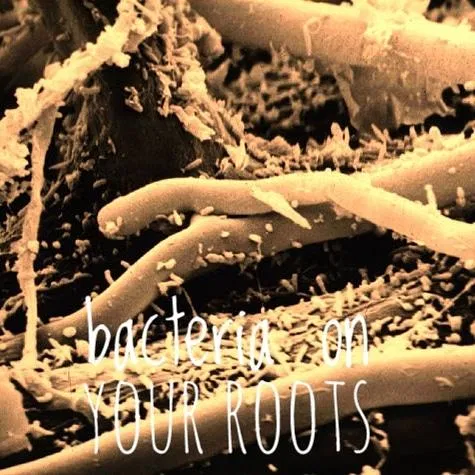
Why do we care about fungi in sand? Fungi are the "civil engineers" of the soil. Their hyphae (long, thread-like structures) act as biological glue. They wrap around sand particles and compost fibers, creating micro-aggregates. These aggregates are what allow soil to hold water without becoming a muddy mess.
By using a "fungally dominant" extract, we are seeding the very organisms that will eventually stop our sand from acting like a leaky bucket. This is a core pillar of the RSI Method.
Measuring the Impact
We don't guess; we measure. After the drench, we use two primary tools to see if our jump start worked:
- Bluelab Pulse: We check the Electrical Conductivity (EC). Often, a good compost tea or extract will show a slight bump in EC because of the soluble nutrients and organic acids it carries. This tells us that nutrients are now available for the "tenants" to start working.
- microBIOMETER®: This is the gold standard for field testing. We take a sample of our drenched mix and look at the Microbial Biomass. We expect to see a significant jump from our baseline "dead sand" readings. This confirms that the "people" have officially moved into the "building."
Tailoring the Strategy
For Beginners
Don't get overwhelmed by the lab equipment. If you are fixing a sandy patch in your backyard, start by getting a bag of high-quality, biologically active compost. Make a simple "compost bag" (like a giant tea bag) and massage it in a bucket of water until the water is dark. Pour that on your soil. It’s the simplest way to start.
For Experienced Growers
Focus on the Rhizo Logic® approach. Look at the specific needs of your plants. If you are growing perennials or trees in sandy soil, you need to push that fungal ratio much higher. Consider adding fungal foods like humic acids to your drench to ensure the fungi have the energy to build those critical soil aggregates.
For Commercial Operations
Efficiency is key. We recommend integrating compost extracts into your existing fertigation systems. However, ensure your filters can handle the particulate matter. A consistent "biological pulse" through the growing season is often more effective than one large application at the start. Check out our Initial Soil Health Assessment for a custom plan.
The Systems-Thinking Perspective
We have to remember that soil is a living system. By adding this biological jump start, we are shifting the sand from an inert substrate to an active ecosystem. This isn't just about feeding a plant; it's about building a self-sustaining cycle where microbes unlock minerals from the sand grains, trade them with plants for carbon, and build the structure that holds the water we provide.
This is the essence of regenerative agriculture. We are moving away from the "add fertilizer, add water" cycle and moving toward a "build biology, let biology work" system.
FAQ: Common Concerns with Compost Teas
Q: Can I overdo it with compost tea?
A: It is very hard to "overdose" on beneficial microbes, but you can overwater your soil. Always monitor your VWC. If the soil stays waterlogged, you'll lose the oxygen necessary for the good microbes to survive.
Q: How often should I apply the "jump start"?
A: During the remediation phase of sandy soil, we recommend a drench once every two weeks until you see significant improvements in soil structure and microbial biomass.
Q: Does the tea replace fertilizer?
A: No. Compost tea is an inoculant, not a primary fertilizer. It helps the plant access nutrients, but in the beginning, we still need to provide balanced nutrition, which we will cover in the next episode.
What’s Next?
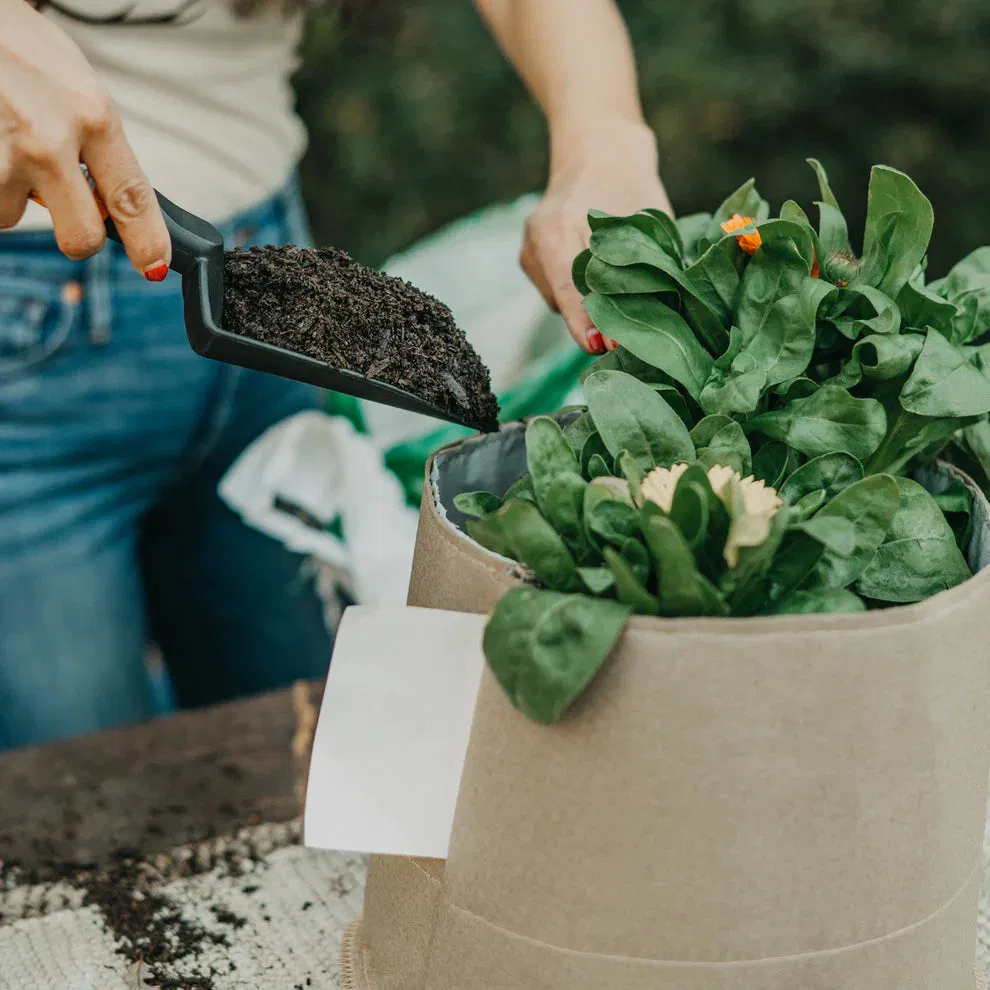
Now that the "building" is built (compost) and the "tenants" have moved in (tea/extract), we need to give them a job. Microbes need a constant source of energy to stay active, and the best source of that energy is a living root.
In the next part of this series, we will plant a legume cover crop into our five-gallon pot. We’ll talk about how the roots and the microbes form a "biological handshake" that truly seals the deal on turning sand into living soil.
What are you using to boost your soil biology? Have you tried brewing your own "liquid gold" yet? Let us know in the comments below, or reach out to us at Regen Soil for a personalized consultation on your soil health journey.


