
Regenerative Agriculture at Home 101: A Beginner’s Guide to Mastering Living Soil
By Jeremy Standring
Welcome to the revolution, and no, you don't need a 500-acre tractor-heavy farm to join in. If you’ve been hanging around the gardening world for more than five minutes, you’ve probably heard the term regenerative agriculture tossed around like a bag of premium worm castings. But what does it actually mean for the backyard grower, the hobbyist, or the craft cannabis enthusiast?
At Regen Soil, we believe that the future of the planet starts in your pots and raised beds. We’re moving past "sustainability" (which essentially means keeping things from getting worse) and diving headfirst into regeneration, actually making the land, the soil, and the ecosystem better than we found it.
This guide is your roadmap to transitioning from a "dirt manager" to a "soil steward." We’re going to explore how to master living soil using our proprietary Rhizo Logic® principles and why your plants will thank you with higher yields, better terpenes, and unmatched vitality.
What Exactly is Regenerative Agriculture?
In simple terms, regenerative agriculture is a holistic land management practice that leverages the power of photosynthesis to close the carbon cycle and build soil health. While industrial agriculture views soil as an empty vessel to hold synthetic NPK fertilizers, we view it as a complex, breathing metropolis of biological activity.
When we practice regenerative gardening at home, we focus on:
- Carbon Sequestration: Pulling CO2 out of the air and pumping it into the ground where it belongs.
- Nutrient Cycling: Allowing microbes to break down organic matter into plant-available food.
- Water Retention: Building soil structure so it acts like a sponge, not a brick.
- Biodiversity: Welcoming the "good guys", from fungi to ladybugs, to do the heavy lifting for us.
The Heart of the System: Understanding Living Soil
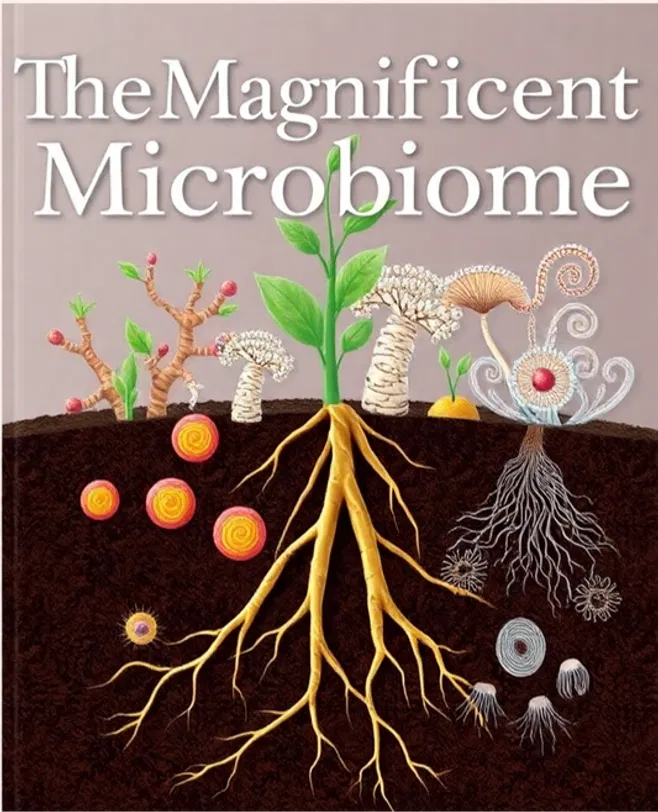
If you want to master regenerative agriculture, you have to understand the Living Soil concept. Most store-bought potting soils are "dead." They are sterilized, peat-based mediums designed to be a sterile sponge for liquid salts. Living soil, on the other hand, is an ecosystem.
In a living soil system, we aren't "feeding the plant." We are feeding the soil biology, and the soil biology feeds the plant. It’s a beautiful, symbiotic relationship. The plant leaks "exudates" (sugars) from its roots to attract specific bacteria and fungi. In exchange, these microbes travel through the soil to find minerals and water the plant can't reach, bringing them back to the root zone.
To see if your current setup is hitting the mark, we often recommend starting with an ISH Assessment (Initial Soil Health Assessment) to see exactly who is living in your dirt, and who is missing.
The 5 Core Principles of Home Regeneration
We follow a set of "commandments" to ensure our soil remains productive and healthy year after year. Whether you are using our 5-Gallon Living Soil kits or building a massive outdoor garden, these rules apply.
1. Minimize Soil Disturbance (No-Till)
Every time you stir, till, or turn your soil, you are effectively setting off a biological bomb. Tilling shatters the delicate fungal hyphae (the internet of the soil) and exposes microbial populations to harsh UV light and oxygen levels that kill them off.
- The Pro Tip: Put the shovel away. If you need to add nutrients, top-dress them. Let the worms and roots do the "tilling" for you.
2. Soil Armor (Keep it Covered)
Bare soil is dying soil. In nature, you rarely see bare earth unless a disaster has occurred. Cover your soil with mulch, straw, or, even better, a living mulch. This regulates temperature, prevents erosion, and provides a habitat for soil protozoa.
3. Maximize Diversity
Monoculture is a recipe for pest outbreaks. By planting diverse species together, you create a more resilient ecosystem. In the cannabis world, we love using cover crops like clover and vetch to fix nitrogen and keep the soil biology active during the "off-season."
4. Maintain Living Roots Year-Round
Microbes need a food source. If there are no living roots in the ground, the microbial populations will go dormant or die off. Even in winter, try to keep something growing, even if it's just a hardy cover crop. This keeps the Rhizo Logic® cycle spinning.
5. Integration of Biological Inputs
Since we aren't using synthetic pesticides or fertilizers, we use "biologicals." This includes things like compost teas, vermicompost, and specialized microbial inoculants. For those looking to boost their microbial diversity without the mess of a compost pile, we recommend products from the Terrabiotics line, like Bio-boost, to jumpstart the system.
Rhizo Logic®: The Science of the Root Zone
At Regen Soil, we developed the Rhizo Logic® brand specifically for those who want to master the science of the rhizosphere. It’s not just about "adding bugs to a jug"; it’s about understanding the specific relationships between plant genetics and microbial communities.
When you use a Rhizo Logic product, you are introducing a curated team of specialists:
- Mycorrhizal Fungi: These extend the root system by up to 100x.
- Nitrogen-Fixing Bacteria: They literally pull plant food out of thin air.
- Phosphorus-Solubilizing Microbes: They "unlock" the minerals already present in your soil that are otherwise stuck.
How to Start Your First Living Soil Pot
Ready to get your hands dirty? Here is the RSI Method simplified for your first indoor or outdoor container.
- Choose Your Container: We prefer fabric pots or breathable "living soil" bags. They prevent root circling and allow the soil to breathe.
- The Base: Start with a high-quality organic base. If you're building your own, think 1/3 aeration (perlite/pumice), 1/3 organic matter (compost/castings), and 1/3 base (peat or coco).
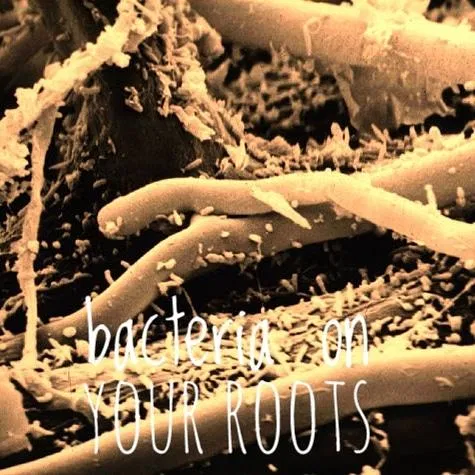
- Inoculate Early: Use a microbial inoculant during the transplant phase. Getting those bacteria on the roots early is key to preventing purple leaves and other stress-related issues.
- Top-Dress, Don't Mix: As the plant grows, simply sprinkle your amendments on top. Use a "Chop and Drop" method where you trim your cover crops and leave them to decay on the surface.
- Monitor with Tech: We’re in the 21st century! Tools like the Regen Soil Pulse can help you track moisture and EC levels in real-time, ensuring you never over-water or under-feed.

Troubleshooting for Beginners
Living soil is easier in the long run, but it has a learning curve.
- "I see bugs!": Don't panic. Most bugs in living soil are "shredders" that help break down organic matter. However, if you see the dreaded fungus gnat, check out our guide on tackling fungus gnats in living soil.
- "My soil smells bad": This usually means it's gone anaerobic (not enough oxygen). You might be overwatering or your drainage is blocked. Living soil should smell like a fresh forest floor, not a swamp.
- "The growth is slow": This often happens when the fungal-to-bacterial ratio is off. Early in growth, plants prefer a bacteria-dominant environment. As they flower, they want more fungi.
Why This Matters
Regenerative agriculture isn't just a trend; it's a necessity. Traditional agriculture has depleted our soils of minerals and life. By choosing to grow using regenerative methods at home, you are producing food and medicine that is more nutrient-dense and free from chemical residues.
Furthermore, you’re helping the planet. Living soil is one of the most effective ways to capture carbon and restore local water cycles. It’s a win-win for you and Mother Earth.

Frequently Asked Questions
Is living soil more expensive?
Initially, yes. Quality amendments and biology cost more than a bottle of salt fertilizer. However, because you can reuse living soil year after year (and it actually gets better over time), the long-term cost is significantly lower.
Can I use tap water?
Chlorine and chloramine in tap water are designed to kill bacteria. In a living soil system, that’s exactly what we don't want. We recommend using a filter or letting your water sit out for 24 hours to dissipate the chemicals before watering your microbes.
Do I need to pH my water?
In a robust living soil system, the microbes actually act as a buffer, regulating the pH at the root zone for you. While it's always good to be in the ballpark (6.2–6.8), the microscopic "engine room" takes a lot of that stress off your plate.
What is the RSI Method?
The RSI Method (Regen Soil Innovations) is our standardized approach to soil restoration. It combines laboratory-grade testing with biological remediation to ensure maximum performance in any growing environment.
Join the Living Soil Community
We are more than just a soil company; we are a community of growers dedicated to doing things the right way. Whether you're curious about grey mold prevention or looking to build a thriving organic community, we have the resources to help you succeed.
Ready to get started? Check out our Rhizo Logic® Living Soil products and start your journey toward a truly regenerative garden today. If you have questions or want to share your success stories, drop a comment below or reach out to us for a consultation. Let’s grow something amazing together.


