
5 Steps How to Restore Topsoil and Revive "Dead" Dirt (Easy Guide for Homeowners)
By Jeremy Standring
For many homeowners, the garden is a place of frustration. You plant beautiful starts, you water them religiously, and yet they struggle to thrive. Often, the culprit isn't your "black thumb": it’s the ground beneath your feet. We frequently see residential landscapes where the soil has become "dead dirt": a compacted, gray, or dusty medium devoid of life.
At Regen Soil, we don't just look at dirt; we look at the ecosystem. High-quality topsoil is a living, breathing community of microorganisms, minerals, and organic matter. When this system breaks down, your plants lose their support network. Fortunately, regenerative agriculture principles aren't just for large-scale farmers. You can restore your backyard ecosystem using our proven methods.
In this guide, we will walk you through the five essential steps to transform dead dirt into thriving living soil.
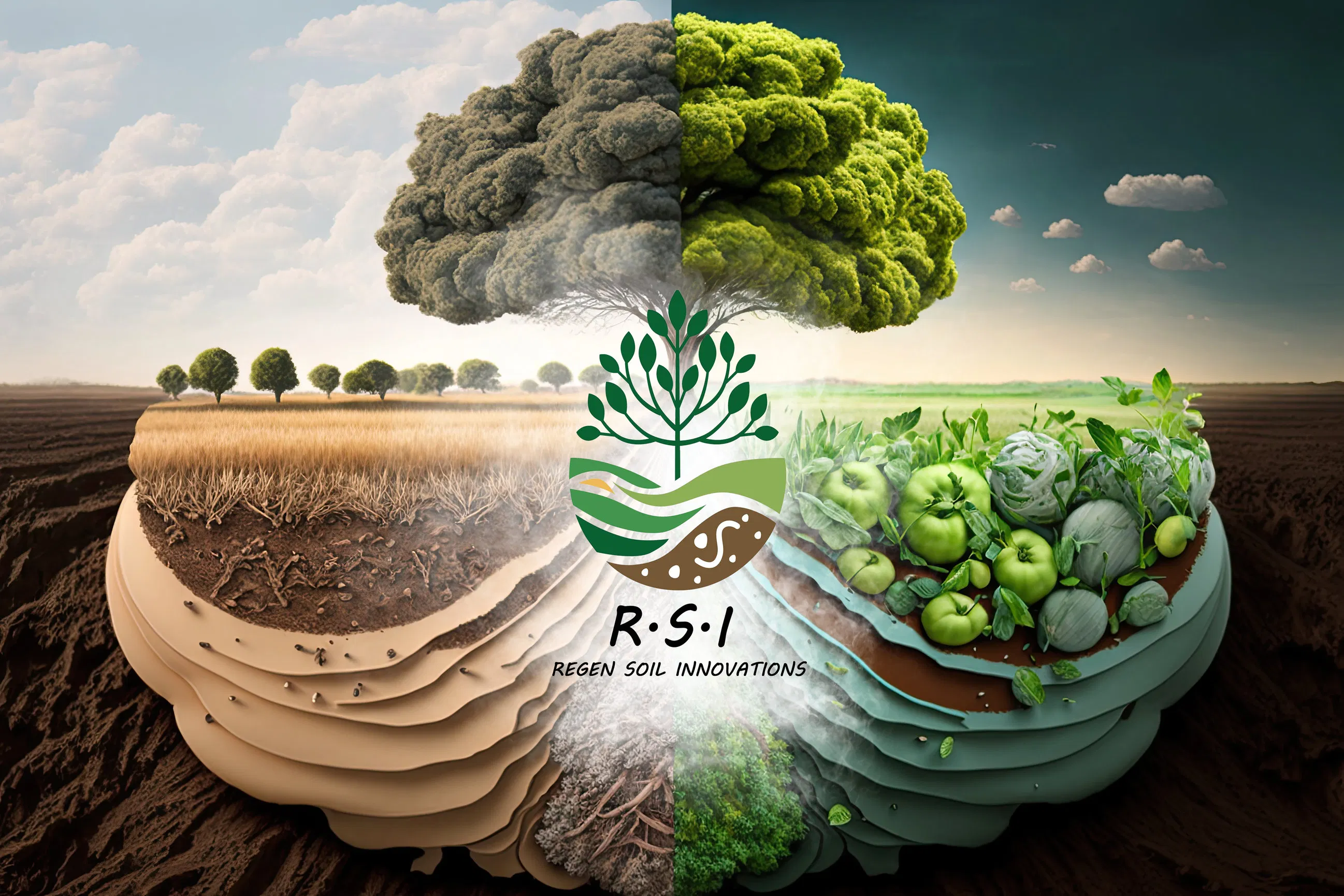
Understanding the Difference: Dirt vs. Living Soil
Before we dive into the restoration process, we must define what we are trying to achieve.
- Dirt: This is an inert collection of minerals (sand, silt, and clay) that lacks biological activity. It is often hydrophobic (repels water), compacted, and nutrient-poor.
- Living Soil: This is a complex biological matrix. It contains a diverse soil microbiome, organic matter, and structural pores that hold air and water.
The goal of soil restoration is to move from a chemical-dependent model to a biological-driven one. We focus on Rhizo Logic®, our philosophy of fostering the symbiotic relationship between plant roots and beneficial microbes.
Step 1: Conduct an Initial Soil Health Assessment
You cannot fix what you don't understand. Most homeowners make the mistake of adding random fertilizers without knowing what their soil actually needs. We recommend starting with a comprehensive ISH Assessment (Initial Soil Health Assessment).
Physical and Biological Indicators
When we evaluate soil, we look for several key factors:
- Structure and Compaction: Can you easily push a screwdriver into the ground? If not, your soil is likely compacted, preventing oxygen from reaching the roots.
- Color and Smell: Healthy soil should be dark (rich in carbon) and smell earthy (due to actinomycetes bacteria). If it’s gray or smells like rotten eggs, it’s anaerobic.
- Biological Presence: Do you see earthworms? Are there visible fungal hyphae (thin white threads)?
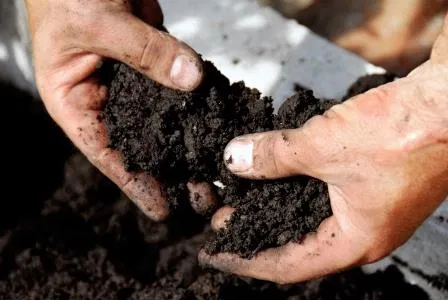
Pro Tip: Dig a small hole and look for "aggregates": small crumbs of soil held together by microbial glues. This is the hallmark of a healthy ecosystem.
Step 2: Introduce the "Microscopic Architects" (Inoculation)
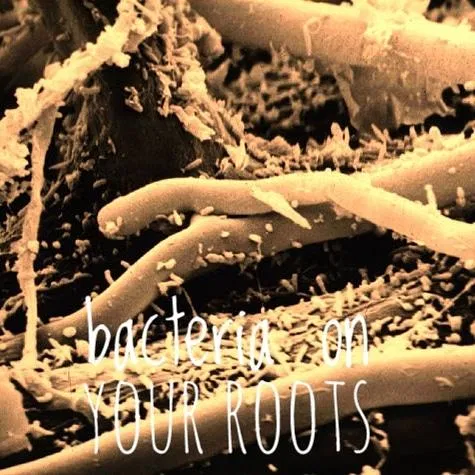
Dead dirt is essentially a house with no tenants. To revive it, we must reintroduce the biology. This is where soil restoration truly begins. We use microbial inoculants to "jumpstart" the system.
The Power of Rhizo Logic®
Under the Rhizo Logic® brand, we focus on high-diversity microbial populations. These aren't just random bacteria; they are specific functional groups designed to:
- Solubilize Phosphorus: Making locked-up minerals available to plants.
- Fix Nitrogen: Taking nitrogen from the air and converting it into a form plants can eat.
- Build Structure: Creating the "glues" that turn dust into topsoil.
For homeowners, applying a high-quality microbial tea or using Rhizo Logic® Living Soil as a top-dress is the fastest way to re-establish the soil microbiome.
Terrabiotics and Bio-boost
While microbes are the workers, they need a spark to get moving. This is where Bio-boost, a premier Terrabiotics product, comes into play. Bio-boost acts as a catalyst, providing the specific micronutrients and compounds that stimulate indigenous microbes to wake up and start reproducing.
Step 3: Feed the Underground (Organic Matter)
Microbes are living organisms; they need food. In a natural forest, "leaf litter" provides this food. In a suburban lawn, we often remove the food (grass clippings and leaves), leaving the microbes to starve.
The "Brown and Green" Balance
To restore topsoil, you must incorporate organic matter. We suggest a two-pronged approach:
- Compost: High-quality, aerobically produced compost provides immediate nutrients and additional biology.
- Humic Substances: These are long-term carbon sources that improve the soil's Cation Exchange Capacity (CEC), helping it hold onto nutrients.
Deep Dive: Living Soil vs. Super Soil
It’s important to distinguish between "Living Soil" and "Super Soil." Super soils are often heavily amended with salts and fertilizers that can actually harm long-term microbial health. Living soil, like our RSI Method, focuses on a self-sustaining cycle of nutrient availability. Read more on this comparison here.
Step 4: Protect the Surface with "Armor"
Nature abhors a vacuum: and it hates bare soil. Exposed dirt is subject to erosion, UV sterilization, and temperature fluctuations that kill the very microbes you just introduced.
Mulching vs. Cover Crops
We recommend "armoring" your soil using one of two methods:
- Mulching: Applying a 2-4 inch layer of wood chips, straw, or leaf mold. This keeps the soil cool and moist.
- Cover Crops: This is the "gold standard" of regenerative agriculture. Plants like clover, vetch, or cereal rye keep living roots in the ground at all times. These roots exude sugars (exudates) that feed the Rhizo Logic® community.

Step 5: Implement Low-Impact Cultural Practices
The final step is changing how you interact with your land. If you restore the soil and then return to old habits, the dirt will eventually die again.
Stop the Tillage
Every time you use a rototiller, you are essentially "earthquaking" the microbial city. Tillage shatters fungal networks (mycorrhizae) and collapses the pore spaces that hold oxygen. Instead, use "No-Till" methods. Layer your amendments on top and let the earthworms do the digging for you.
Eliminate Synthetic Chemicals
High-salt fertilizers and "cide" products (pesticides, herbicides, fungicides) are often toxic to the soil food web. By shifting to a living soil model, the biology provides the plant with natural immunity and nutrient delivery, making synthetic inputs unnecessary.
Comparison: Conventional vs. Regenerative Restoration
| Feature | Conventional "Dirt" Management | Regenerative "Living Soil" Restoration |
|---|---|---|
| Primary Goal | Yield via chemical inputs | Health via biological diversity |
| Soil Structure | Often compacted, relies on tilling | Aggregated, relies on biology |
| Nutrient Source | Synthetic N-P-K salts | Microbial nutrient cycling |
| Water Retention | Low (high runoff) | High (soil acts like a sponge) |
| Long-term Cost | Increasing (more inputs needed) | Decreasing (system becomes self-sustaining) |
Frequently Asked Questions
How long does it take to restore topsoil?
While nature takes centuries to build an inch of topsoil, we can significantly "revive" the biology in as little as one growing season using concentrated microbial inoculants like Rhizo Logic® and catalysts like Bio-boost.
Can I fix "clay" soil using these steps?
Yes! Clay is just a particle size. The reason clay feels like "bricks" is a lack of biological structure. When you add microbes and organic matter, they create "pore space" in the clay, allowing it to drain and breathe.
Is this expensive for a normal homeowner?
Actually, it's often cheaper in the long run. By using the RSI Method, you reduce your need for expensive fertilizers, pesticides, and excessive watering.
Start Your Restoration Journey Today
Restoring your topsoil is the single most impactful thing you can do for your landscape, your health, and the environment. By focusing on the living soil beneath your feet, you aren't just growing plants: you are stewarding an ecosystem.
If you are ready to stop guessing and start growing, we are here to help. Whether you need a professional Initial Soil Health Assessment or high-quality Rhizo Logic® products to kickstart your garden, our team at Regen Soil has the expertise to guide you.
What’s the biggest challenge you’ve faced with your soil? Leave a comment below, and let’s get your "dead" dirt back to life!


