
Rhizo Logic® Secrets Revealed: How We Restore Dead Dirt into Living Soil Systems
By Jeremy Standring
For decades, modern agriculture has treated soil like a simple holding tank, a dead medium designed only to prop up a plant while we dump synthetic salts into it. We’ve been taught that if the plant looks green, the system is working. But at Regen Soil, we know better. What most people are growing in isn't actually soil; it’s dead dirt.
When soil loses its biological heartbeat, it becomes a liability. It compacts, it loses its ability to hold water, and it becomes a breeding ground for pathogens. At Regen Soil, we’ve spent years perfecting the art and science of reversing this trend. Through our Rhizo Logic® systems, we aren't just adding nutrients; we are restoring a living, breathing ecosystem.
In this deep dive, we’re going to pull back the curtain on how we transform lifeless, "dead" dirt into thriving, self-sustaining living soil systems.
What is Dead Dirt vs. Living Soil?
Before we get into the "how," we need to define the "what." In our industry, we use these terms specifically:
- Dead Dirt: This is soil that has been stripped of its microbial life through tilling, chemical pesticides, and synthetic fertilizers. It lacks microbial populations and has no structure. In dead dirt, nutrients are only available if they are soluble and delivered via a bottle.
- Living Soil (Rhizo Logic®): This is a biological powerhouse. It is a complex web of bacteria, fungi, protozoa, and nematodes working in harmony. In a living soil system, the microbes do the heavy lifting, mining minerals, fixing nitrogen, and protecting the plant from disease.
We view soil as a biological engine. If the engine is missing its parts (the microbes), it doesn't matter how much high-octane fuel (fertilizer) you pour into the tank; the car isn't going anywhere.
The Secret Ingredient: The 1:1 Fungal to Bacterial Ratio
The real "secret" behind the success of our Rhizo Logic® Living Soil isn't a mystery chemical; it’s balance.
Through extensive lab testing and field trials, we have discovered that the most resilient and productive ecosystems maintain a 1:1 fungal to bacterial ratio. Specifically, our Rhizo Logic® products are engineered to provide a minimum of 135 µg/g bacterial biomass and 135 µg/g fungal biomass.
Why Fungi Matter
Most "dead" dirt is heavily bacterial. Bacteria are great at breaking down simple sugars, but they don't build long-term soil structure. Fungi, specifically mycorrhizal fungi, are the architects of the soil. They create hyphal networks that act like a secondary root system for your plants, increasing the surface area for nutrient absorption by up to 1,000 times.
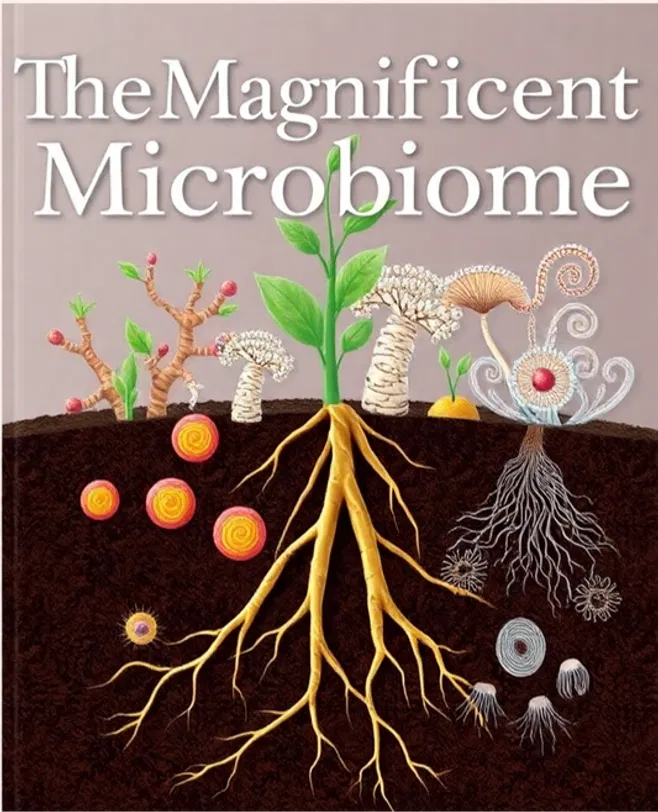
When we restore soil, our primary goal is to reintroduce these fungal populations. Without them, you have no nutrient cycling, and your plants will always be dependent on your next feeding.
Our Restoration Process: The RSI Method
We don't guess; we test. Transforming dead dirt requires a systematic approach, which we call the RSI Method.
1. The Initial Soil Health (ISH) Assessment
Every restoration project begins with an ISH Assessment. We look at the biological, chemical, and physical properties of the dirt. Are there anaerobic pockets? Is the sequestration of carbon happening? We use digital sensors to monitor real-time data to see exactly what the microbes are dealing with.

2. Inoculation and Biology Reintroduction
Once we know the baseline, we introduce the Rhizo Logic® microbial suite. This isn't just about dumping a bag of dirt. We are inoculating the medium with a diverse "starter culture" of beneficial organisms that are ready to go to work.
3. Terrabiotic Stimulation (Bio-boost)
While Rhizo Logic® provides the living house, our Bio-boost (Terrabiotics) acts as the high-energy food source to wake up the biology. These Terrabiotics are designed to stimulate the existing and newly introduced microbial life, ensuring they survive the transition from the bag to your field or grow room.
Systems Thinking: How Living Soil Sustains Itself
The beauty of a Rhizo Logic® system is that it is self-sustaining. In a traditional synthetic grow, you have to provide 100% of the plant's needs. In a living soil system, we set up a feedback loop:
- Photosynthesis: The plant takes in sunlight and CO2 to create sugars (carbon).
- Exudates: The plant pumps these sugars out through its roots into the soil.
- Microbial Exchange: The microbes (bacteria and fungi) eat these sugars. In exchange, they "trade" minerals and water they’ve mined from the soil particles.
- Immunity: These microbes also form a physical barrier around the roots, preventing pathogens like Pythium or Fusarium from taking hold.
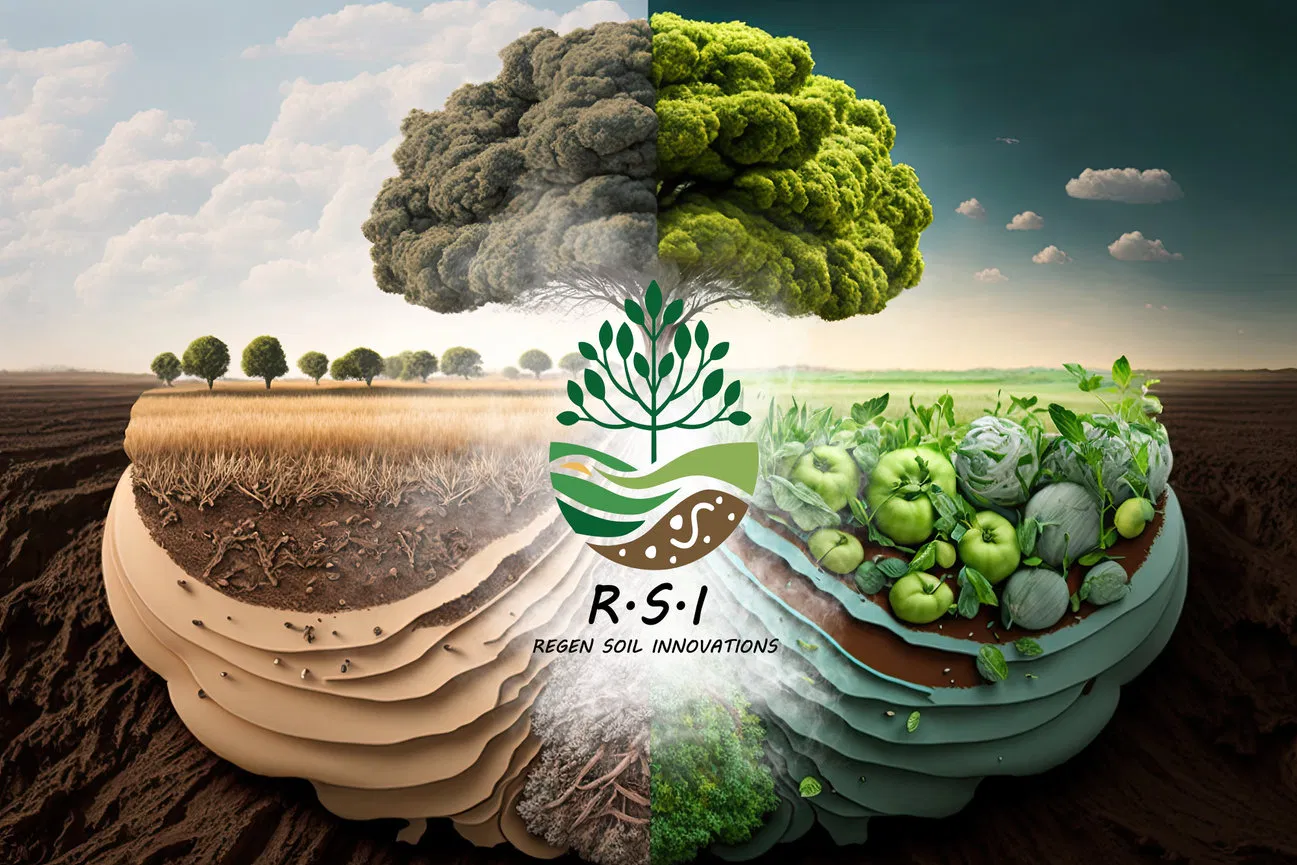
This is regenerative agriculture in action. Instead of the soil getting poorer every year, it gets richer.
Rhizo Logic® for Different Growers
Whether you are a hobbyist or a large-scale commercial operator, the principles of soil restoration remain the same, but the application differs.
For Beginners
If you're just starting, don't overcomplicate it. Most beginners kill their soil by "loving it to death" with too many bottled additives.
- Our advice: Start with a high-quality Living Soil.
- Focus on: Moisture consistency. Microbes need water to move and breathe.
For Commercial Operations
For our commercial partners, soil restoration is an ROI calculation. Dead dirt requires more labor, more chemicals, and more water.
- The Benefit: We have seen commercial farms reduce water usage by up to 30% and eliminate nearly all synthetic pesticide costs by transitioning to a Rhizo Logic® system.
- Data Integration: We recommend using the Regen Soil Pulse to track moisture and EC levels to ensure the biological engine is always running at peak efficiency.
Case Study: The "Dead Dirt" Recovery
A few years ago, we worked with a grower who had "burned" their field through years of heavy salt-based fertilization. The soil was as hard as concrete, and nothing would grow.
We implemented a three-step recovery:
- Cover Cropping: We used a diverse mix of cover crops to break up the compaction.
- Biological Drench: We applied a heavy dose of Rhizo Logic® microbes combined with Terrabiotics (Bio-boost).
- No-Till Transition: We stopped all mechanical disturbance to allow the fungal networks to bridge together.
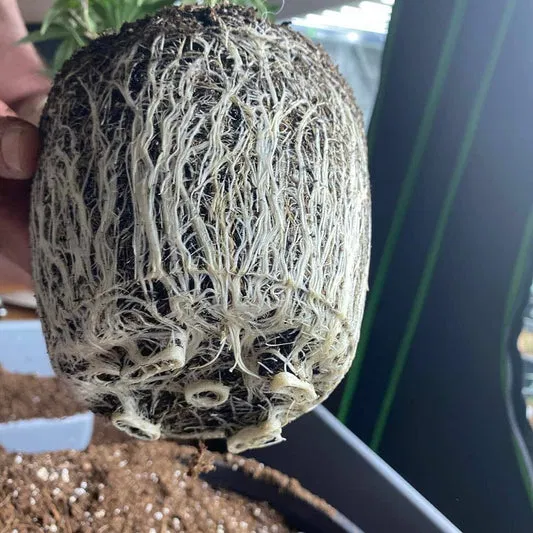
Within one season, the soil structure changed from grey and crumbly to dark, chocolatey, and full of earthworms. The following harvest was the highest yield that farm had seen in a decade.
Common Myths About Soil Restoration
Myth 1: "I can just add compost and it will be fine."
Compost is great, but not all compost is created equal. Most store-bought compost is "anaerobic junk" that can actually introduce pathogens. You need biologically complete inputs to restore true health.
Myth 2: "Living soil is too slow."
Because Rhizo Logic® is pre-loaded with a balanced 1:1 ratio, the "vibe" is immediate. You don't have to wait weeks for the soil to "cook." The microbes are ready to trade with your roots from day one.
Myth 3: "It's too expensive."
While the upfront cost of living soil might be higher than a bag of sterile peat, the long-term savings in fertilizers, pesticides, and plant health more than cover the difference.
Frequently Asked Questions (FAQ)
Q: How do I know if my soil is "dead"?
A: If your soil is pale, dusty, doesn't absorb water (hydrophobic), or has no visible life (like worms or springtails), it is likely biologically depleted. An ISH Assessment is the best way to be certain.
Q: Can I use Rhizo Logic® with synthetic fertilizers?
A: We don't recommend it. Heavy salts can dehydrate and kill the very microbes we are trying to establish. If you want to boost your plants, use our Bio-boost instead.
Q: How often do I need to re-inoculate?
A: In a perfectly balanced system, the microbes will self-replicate. However, we recommend a "refresh" of Terrabiotics every few weeks to keep the population peaks high, especially during heavy flowering or fruiting stages.
Q: Does this work for cannabis?
A: Absolutely. In fact, many of our most successful case studies come from the organic cannabis community. Cannabis is a "heavy feeder" that thrives when it can communicate its specific needs to a living microbial network.
Start Your Restoration Journey
At Regen Soil, we believe that we don't own the land; we are just its stewards for the next generation. Restoring dead dirt into a living soil system is the single most impactful thing you can do for the environment and your bottom line.
Are you ready to stop feeding your plants and start feeding your soil? Explore our full range of Rhizo Logic® products or reach out to us for a personalized consultation. Let’s bring your dirt back to life.
Do you have questions about your specific soil type? Drop a comment below or meet Jeremy to learn more about our mission!


