
Regenerative Organic Living Systems 101: A Beginner’s Guide to Mastering Your Home Ecosystem
By Jeremy Standring
If you’ve spent any time in the gardening world lately, you’ve likely heard the word "sustainability" thrown around more than a frisbee at a park. But here at Regen Soil, we like to aim a little higher. Sustainability is about maintaining the status quo: keeping things from getting worse. Regeneration, on the other hand, is about making things better. It’s about taking a patch of tired, compacted dirt and turning it into a thriving, carbon-sequestering, nutrient-dense powerhouse of a home ecosystem.
Welcome to Regenerative Organic Living Systems 101. We’re going to move past the "chemistry set" approach to gardening (where you just dump blue liquid on plants and hope for the best) and dive into the biological reality of how nature actually works.
What Exactly is a Regenerative Organic Living System?
At its core, a regenerative organic living system is a way of growing and living that mimics natural ecosystems. In nature, nobody is out there with a bag of 10-10-10 fertilizer or a rototiller. Yet, forests grow massive trees and prairies support incredible biodiversity. How? Through a complex web of relationships between plants, animals, and: most importantly: microbes.
When we talk about regenerative agriculture at home, we are talking about shifting our mindset from "growing plants" to "stewarding a system." We aren't just looking at the tomato; we’re looking at the fungi that feed the tomato, the worms that aerate the soil, and the moisture levels that keep the whole party going.
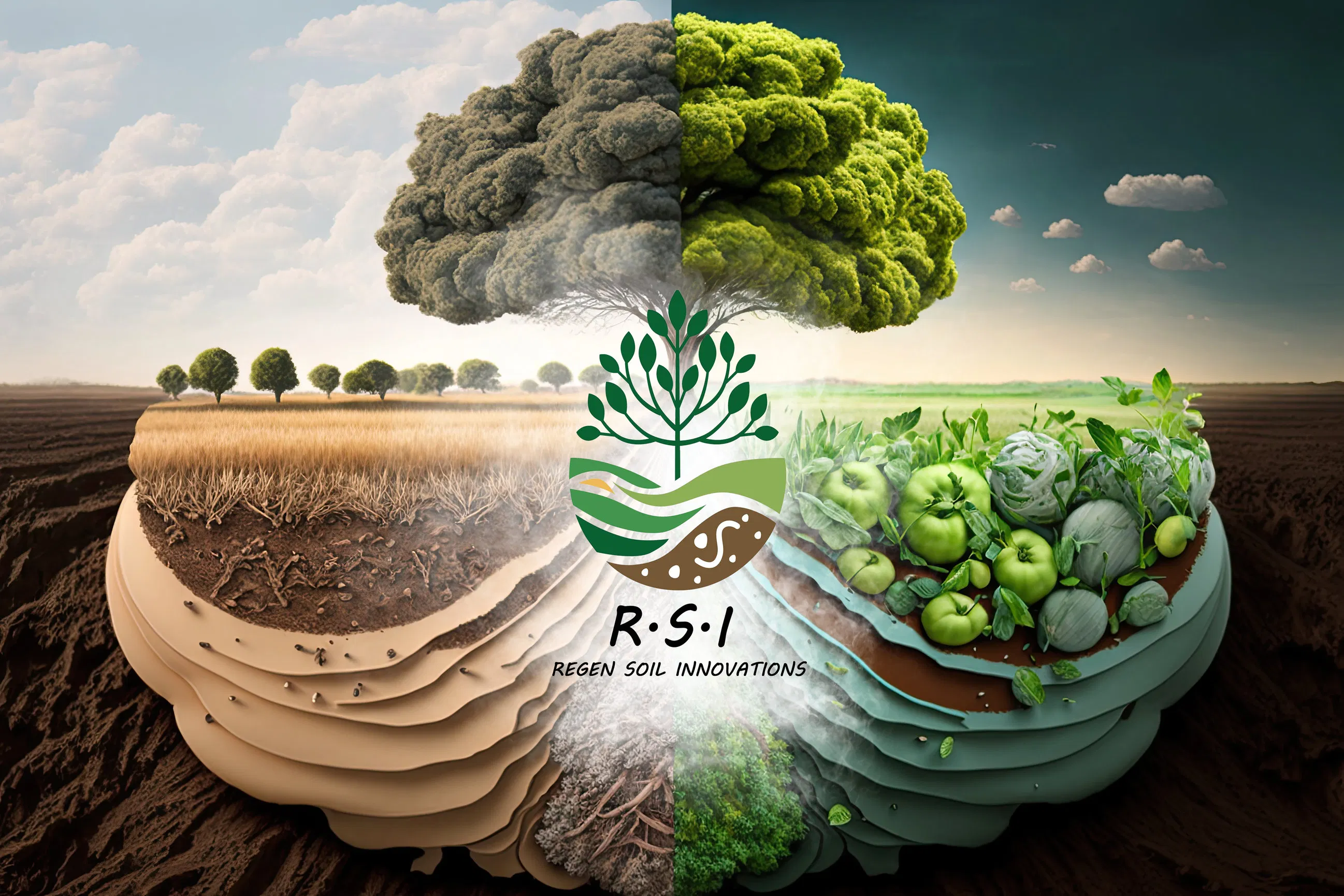
The Golden Rule: Soil is Not Dirt
Before we go any further, let’s clear up the biggest misconception in the industry: Soil is not dirt.
- Dirt is the stuff under your fingernails. It’s mineral particles (sand, silt, clay) that have lost their biological spark. It’s dead.
- Living Soil is a high-functioning biological community. It is teeming with bacteria, fungi, protozoa, and nematodes that work together to cycle nutrients.
When you use Rhizo Logic® Living Soil, you aren’t just buying a substrate; you’re installing an operating system for your plants. This is the foundation of soil restoration.
The Five Pillars of a Regenerative Home Ecosystem
To master your home ecosystem, we follow a set of principles that we’ve refined through the RSI Method. Whether you’re a beginner or a seasoned pro, these pillars are your North Star.
1. Know Your Context
You can’t fix what you don’t understand. Every backyard, balcony, or raised bed has its own "context": microclimate, sun exposure, and existing soil health. This is why we recommend starting with an ISH Assessment (Initial Soil Health Assessment). Knowing if your soil is compacted or biologically depleted determines your next move.
2. Minimize Disturbance
In the old days, "tilling the garden" was a spring rite of passage. In regenerative systems, we view tilling as an ecological disaster. It’s like a hurricane hitting a city: it destroys the fungal networks (mycelium) and collapses the soil structure. By practicing no-till or low-till gardening, we allow the microbial populations to build stable "homes" in the soil.
3. Keep Living Roots in the Ground
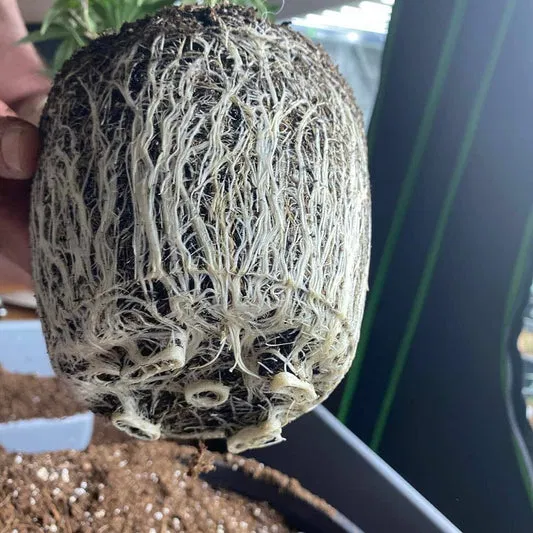
Plants and soil have a "quid pro quo" relationship. Plants take sunlight and turn it into sugars (exudates), which they pump out through their roots to feed the microbes. In exchange, the microbes find nutrients and water for the plant. By keeping living roots in the ground year-round (using cover crops or perennials), you keep the "pantry" open for your soil biology.
4. Maximize Biodiversity
Monocultures (growing just one thing) are fragile. Nature loves a crowd. By mixing your vegetables with flowers, herbs, and native plants, you attract beneficial insects and create a more resilient ecosystem.
5. Armor the Soil
Nature hates being naked. Bare soil is vulnerable to erosion, heat, and moisture loss. Always keep your soil covered with mulch, compost, or living plants. This keeps the soil temperature stable and prevents your hard-working microbes from getting fried by the sun.
The Secret Ingredient: Rhizo Logic® and Microbiology
If the soil is a city, then Rhizo Logic® is the infrastructure and the workforce. Conventional gardening focuses on chemistry (NPK). Regenerative gardening focuses on biology.
When you use products like Rhizo Logic® Living Soil, you are introducing a curated team of beneficial microorganisms. These microbes are experts at:
- Nutrient Cycling: Breaking down organic matter into forms plants can actually eat.
- Disease Suppression: Outcompeting "bad" fungi and bacteria.
- Water Retention: Creating "glomalin," a sticky substance that helps soil hold onto water like a sponge.
To learn more about who exactly is living in your pots, check out our guide: The Magnificent Microbiome.
Practical Steps: How to Start Today
You don't need a PhD or a 100-acre farm to be a regenerative practitioner. You just need to start where you are.
Step 1: Upgrade Your Medium
If you’re growing in containers, ditch the sterile peat-based mixes. Start with a 5gal Living Soil setup. This gives your plants an immediate biological advantage.
Step 2: Recharge Regularly
Even the best living soil needs a "reboot" occasionally. We recommend using Ultra Bio Boost (a premium Terrabiotics soil recharge) to replenish the microbial life and add a hit of organic nutrients without the risk of "burning" your plants with synthetic salts. You can find it here: Ultra Bio Boost Soil Recharge.
Step 3: Monitor Your Vitals
In the regenerative world, data is king. We use tools to track what’s happening beneath the surface. Monitoring moisture, temperature, and electrical conductivity (EC) ensures your ecosystem stays in the "Goldilocks zone."

Deep Dive: The Rhizosphere
The rhizosphere is the narrow region of soil directly influenced by root secretions and associated soil microorganisms. It is the most biologically active place on Earth. When you master your home ecosystem, you are essentially becoming a "Rhizosphere Manager."
By focusing on Rhizo Logic® principles, you ensure that the interaction between the plant roots and the microbes is optimized. This leads to higher terpene profiles in herbs, more flavorful vegetables, and plants that can withstand heat waves or dry spells with ease.
FAQ: Common Beginner Questions
Q: Is regenerative gardening more expensive?
A: Initially, there might be a small investment in high-quality living soil and biology. However, in the long run, it’s much cheaper. You stop buying synthetic fertilizers, you use less water, and your plants are healthier, meaning fewer losses to pests and disease.
Q: Do I still need to fertilize?
A: We don't "fertilize" the plant; we "feed" the soil. By adding organic matter and microbial recharges like Bio-boost, you provide the raw materials the soil needs to feed the plant naturally.
Q: Can I do this on a balcony?
A: Absolutely! Regenerative systems work at any scale. A single pot of living soil is a complete ecosystem.
Let’s Regenerate Together
Mastering your home ecosystem is a journey, not a destination. It’s about observing, learning, and working with nature instead of trying to dominate it. When we restore the health of our soil, we restore the health of our food, our families, and our planet.
If you're ready to take the first step toward a more vibrant, living garden, we’re here to help. Whether you need a full Soil Health Assessment or just a bag of the good stuff to get started, the team at Regen Soil has your back.
Have questions about your specific setup? Drop a comment below or reach out to us directly. Let's stop growing "stuff" and start growing life.
Want to learn more about the man behind the microbes? Meet Jeremy and find out why we’re so obsessed with the underground world.


