5 Steps How to Restore Soil Biology and Rebuild Topsoil (Easy Guide for Home Gardeners)
By Jeremy Standring
Most home gardeners look at their backyard and see "dirt." At Regen Soil, we see a complex, living ecosystem that is either thriving or starving. If your plants are struggling, if the ground is hard as a brick, or if you’re constantly fighting pests, the problem isn't your "black thumb": it’s a biological collapse.
Restoring soil biology and rebuilding topsoil isn't just about adding fertilizer; it’s about participating in regenerative agriculture at a residential scale. It is the process of shifting from a "chemical-input" mindset to a "biological-management" mindset. In this guide, we will walk you through the five essential steps to transform depleted dirt into a thriving living soil environment using science-backed methods.
The Science of Living Soil vs. Dead Dirt
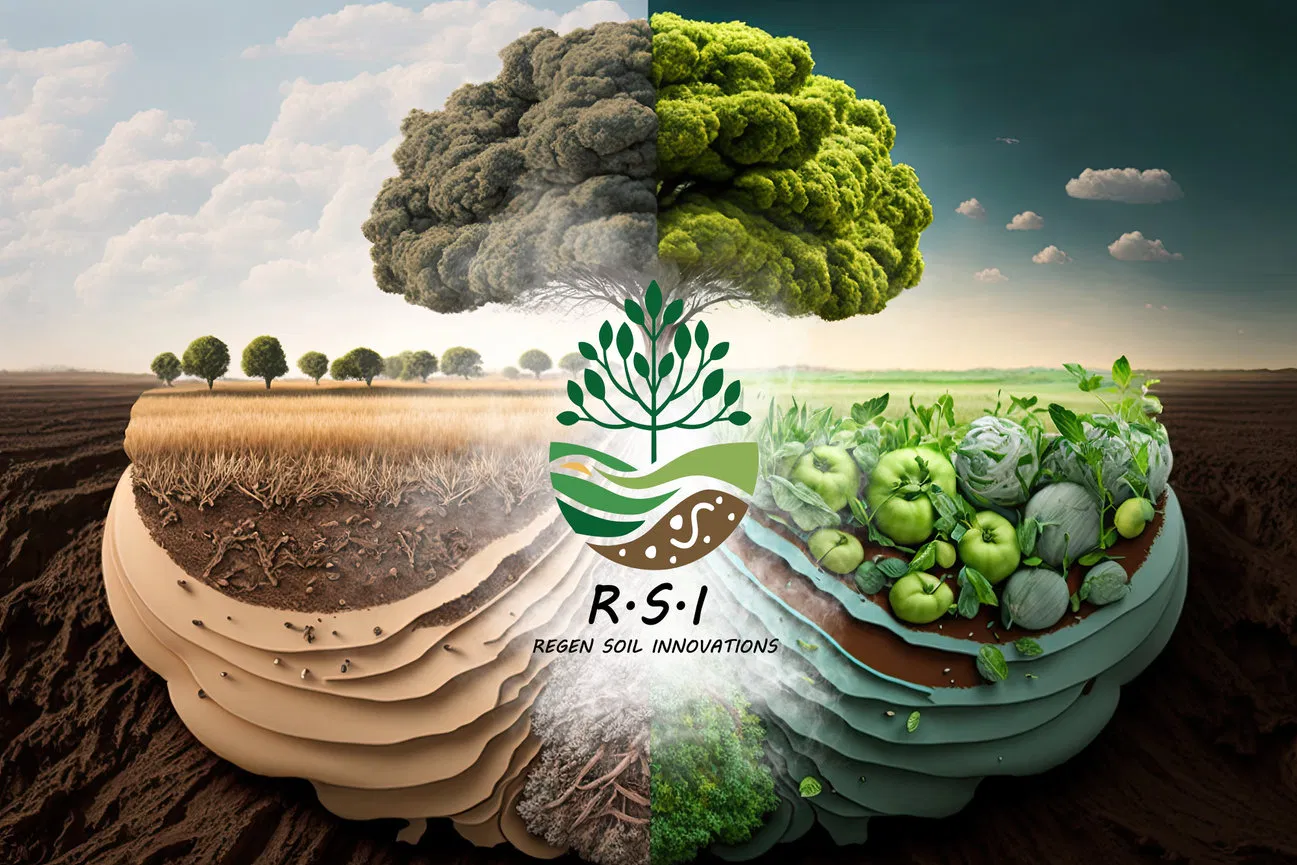
Before we dive into the steps, we need to define our terms. Living soil is a matrix of minerals, organic matter, and a massive community of microorganisms, including bacteria, fungi, protozoa, and nematodes.
Dirt, on the other hand, is simply mineral particles without the biological "glue" (like glomalin) that creates structure. When we use synthetic fertilizers, we often bypass the soil's natural nutrient cycling, effectively making our plants "drug-dependent" while the native microbial populations starve and disappear.
Comparison: Synthetic vs. Regenerative Management
| Feature | Synthetic Agriculture | Regenerative Agriculture (Regen Soil) |
|---|---|---|
| Primary Input | NPK Chemical Salts | Organic Matter & Microbes |
| Soil Structure | Compacted, poor drainage | Porous, high water-holding capacity |
| Nutrient Source | Water-soluble minerals | Microbial populations / Rhizophagy |
| Long-term Health | Soil degradation | Soil restoration / Topsoil growth |
Step 1: Minimize Soil Disturbance (The No-Till Revolution)
The quickest way to destroy a microbial city is to run a tiller through it. We often think of tilling as "fluffing up" the soil, but in reality, it’s a natural disaster for living soil.
Tilling shears the delicate hyphae of mycorrhizal fungi and collapses the macro-pores created by earthworms. When these structures are destroyed, the soil loses its ability to breathe and hold water. We recommend a "No-Till" or "Low-Till" approach. Instead of turning the soil, we layer organic matter on top and let the biology do the "digging" for us.
Why it works: By leaving the soil undisturbed, you allow the Rhizo Logic® community to establish permanent networks that transport nutrients directly to plant roots.
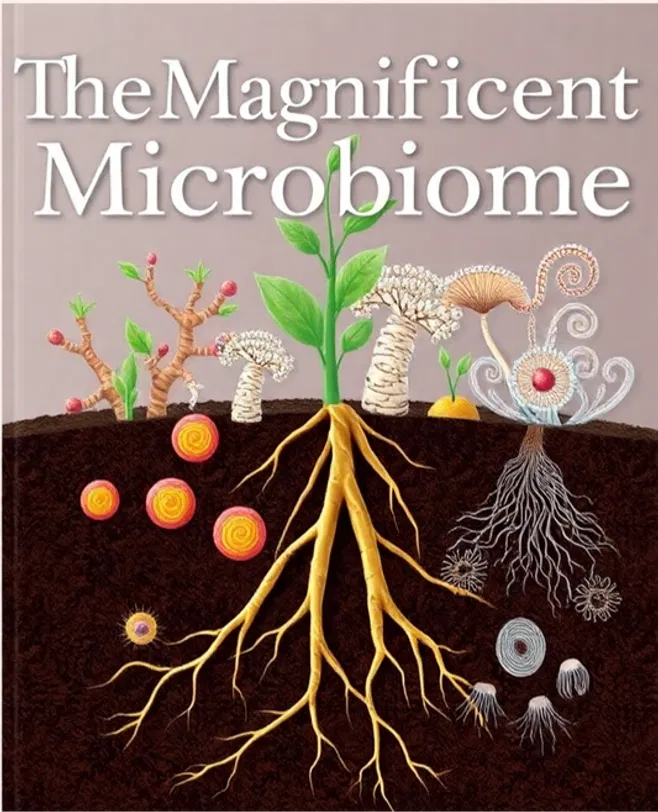
Step 2: Keep the Soil Covered (Armor Up)
Nature abhors a vacuum, and it hates bare soil even more. Bare soil is subject to extreme temperature fluctuations and erosion from wind and rain. To rebuild topsoil, you must "armor" the surface.
We use two primary methods for coverage:
- Mulching: Using wood chips, straw, or shredded leaves to provide a physical barrier.
- Cover Cropping: Using "green manure" crops like clover or vetch to keep living roots in the ground during the off-season.
By keeping the soil covered, you maintain the moisture levels necessary for microbial populations to thrive. Without this armor, the sun effectively sterilizes the top inch of your soil: the very place where topsoil formation begins.
Step 3: Increase Plant Diversity
In a natural ecosystem, you rarely find a monoculture. Each plant species secretes a unique "cocktail" of carbon-based sugars (exudates) into the soil to attract specific microbes.
If you only grow tomatoes, you are only feeding a narrow segment of the soil microbiome. By diversifying your garden: incorporating flowers, herbs, and different vegetable families: you create a more robust and resilient ecosystem. This diversity is the foundation of soil restoration.
Expert Tip: Integrate native plants into your garden borders. These plants have co-evolved with local soil microbes and act as "reservoirs" for beneficial fungi and bacteria that can then migrate into your vegetable beds.
Step 4: Re-Inoculate with High-Quality Biology
If your soil has been treated with chemicals or heavily tilled for years, the beneficial microbes might simply be gone. You can't just wait for them to return; you need to re-introduce them. This is where we move from "maintenance" to "active restoration."
We suggest a two-pronged approach:
- The Foundation: Use a high-quality Living Soil like Rhizo Logic® to provide a complete microbial habitat.
- The Catalyst: Apply a Terrabiotics product like Ultra Bio-boost Soil Recharge. Think of Bio-boost as a microbial "energy drink" that jumpstarts the biological activity in your garden.
Deep Dive: How Rhizo Logic® Restores Biology
Unlike sterilized potting mixes, Rhizo Logic® is a biologically active medium. It contains a diverse array of beneficial organisms that immediately begin the process of nutrient cycling. When you add this to your garden, you aren't just adding "dirt"; you are adding a functional digestive system for your plants.
Step 5: Maintain Living Roots Year-Round
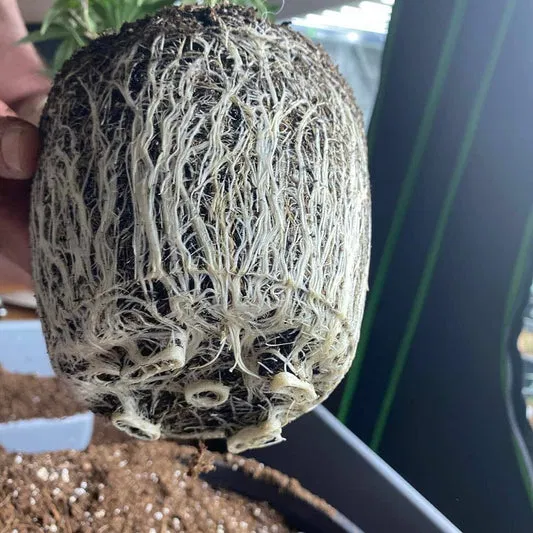
One of the biggest mistakes home gardeners make is leaving their beds empty over the winter. Soil microbes eat carbon, and that carbon comes from plant roots in the form of exudates.
When you remove all living plants, the microbes starve. To truly rebuild topsoil, you need to keep the "liquid carbon pathway" open as long as possible. Even in the dead of winter, having cold-hardy cover crops or perennials ensures that the soil biology stays awake and active, preparing the ground for your spring planting.

The RSI Method: Our Scientific Approach to Restoration
At Regen Soil, we utilize the RSI Method (Regen Soil Innovations) to help our clients move from guesswork to data-driven success. For those serious about their garden’s health, we highly recommend an Initial Soil Health Assessment (ISH).
By analyzing your soil’s current biological state, we can determine exactly which microbial species are missing and provide a personalized roadmap for restoration. This isn't just gardening; it's ecological engineering.
FAQ: Restoring Soil Biology
How long does it take to rebuild topsoil?
While nature takes centuries to build an inch of topsoil, regenerative practices can show significant results in as little as one to three growing seasons. By using Rhizo Logic® Living Soil, you are essentially fast-tracking the process by providing the biological "starter culture" the soil needs.
Can I use Bio-boost with Rhizo Logic?
Absolutely. While they serve different roles, they work in harmony. Rhizo Logic provides the living community (the workers), and Bio-boost (a Terrabiotics product) provides the essential stimulation and food sources to ensure those workers stay productive.
Is tilling ever okay?
In very specific cases, like breaking up a hardpan for the first time, a one-time shallow tillage might be necessary to incorporate organic matter. However, for 95% of home gardens, a "no-till" approach is far superior for long-term soil health.
What are the signs that my soil biology is returning?
Look for:
- Increased earthworm activity.
- Soil that feels "spongy" underfoot (increased pore space).
- Darker soil color (indicating carbon sequestration).
- Plants that are more resistant to drought and pests.
Take Action: Start Your Regeneration Journey Today
Restoring the earth starts in your own backyard. By following these five steps, you are doing more than just growing a better tomato; you are participating in a global movement to heal our planet's skin.
If you're ready to stop using "dirt" and start growing in living soil, we're here to help. Explore our comprehensive guide to soil microorganisms or reach out to us directly for a consultation.
Let's build something living.
What is the biggest challenge you've faced with your garden soil? Leave a comment below and let’s troubleshoot your soil health together!