Regenerative Organic Living Systems 101: A Beginner’s Guide to Mastering Living Soil
By Jeremy Standring

Let’s be honest: most of us were taught that soil is just "dirt", a brown, inert substrate whose only job is to hold a plant upright while we pump it full of synthetic blue liquids.
At Regen Soil, we’re here to tell you that’s like trying to run a marathon while holding your breath. Real, vibrant growth doesn’t come from a bottle; it comes from a thriving, underground metropolis. We call this Living Soil, and mastering it is the key to transitioning from a "plant owner" to a "steward of a regenerative ecosystem."
In this guide, we’re going to pull back the curtain on the soil food web and show you how to build a Regenerative Organic Living System right in your own backyard (or even on your patio).
What Exactly is "Living Soil"?
Living soil is exactly what it sounds like: soil that is teeming with life. It’s not just a collection of minerals; it’s a biological engine. In a single teaspoon of healthy living soil, there are more organisms than there are people on Earth.
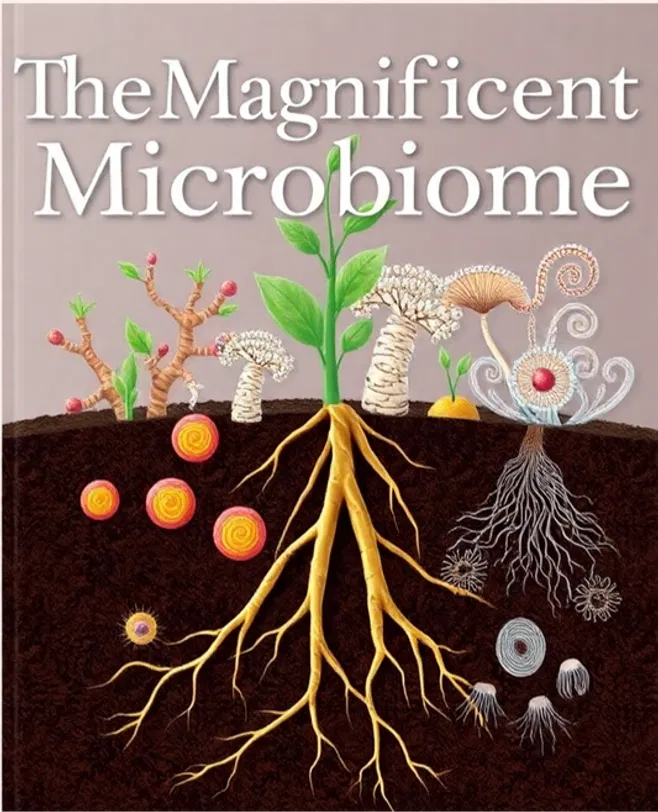
We categorize these organisms into the Soil Food Web, which includes:
- Bacteria and Fungi: The frontline workers that decompose organic matter and mine minerals.
- Protozoa and Nematodes: The "predators" that eat bacteria and fungi, releasing nitrogen in a form plants can actually use.
- Arthropods and Earthworms: The engineers that create tunnels for air and water while shredding organic material.
When these components are in balance, you don’t need to "feed" your plants. Instead, you feed the soil, and the soil feeds the plants. This is the heart of Regenerative Agriculture.
Why Choose Regeneration Over Conventional Gardening?
If you’ve been using conventional methods, you’re likely stuck in a cycle of "Input -> Growth -> Depletion -> More Input." It’s expensive, it’s bad for the planet, and it creates "addicted" plants that can’t survive without human intervention.
Conventional vs. Regenerative: A Quick Comparison
| Feature | Conventional Gardening | Regenerative Living Systems |
|---|---|---|
| Fertilizer | Synthetic salts (N-P-K) | Microbial cycling & organic matter |
| Soil Structure | Compacted, dusty, or tilled | Crumbly, porous, and structured |
| Pest Control | Chemical pesticides | Biological diversity & plant immunity |
| Water Needs | High (water runs off or evaporates) | Low (soil acts like a sponge) |
| Sustainability | Depletes topsoil over time | Builds topsoil every season |
By shifting to a regenerative mindset, we are working with nature rather than trying to beat it into submission.
The 5 Pillars of a Regenerative Living System
To master living soil, we follow a set of core principles designed to protect the microbial populations that do the heavy lifting.

1. Minimize Soil Disturbance (No-Till)
Every time you till or turn your soil, you’re effectively dropping a bomb on a city. You shatter fungal networks (mycelium) and expose delicate microbes to UV rays and oxygen, which burns up organic carbon. We recommend leaving the soil intact as much as possible.
2. Keep the Soil Covered (Soil Armor)
Bare soil is a crime in the regenerative world. Nature never leaves soil naked. Use mulch, straw, or leaves to protect the surface from temperature swings and erosion. This "armor" keeps your microbes cool, hydrated, and happy.
3. Maintain Living Roots Year-Round
Roots are the "pumps" of the soil. Through photosynthesis, plants send liquid sugars (exudates) down into the roots to feed the microbes. In exchange, the microbes provide nutrients. When the roots die off in winter, the party stops. We suggest using cover crops or perennials to keep those pumps running.
4. Increase Biodiversity
Monocultures (growing just one thing) are a magnet for pests. We encourage planting a "polyculture": mix your veggies with flowers, herbs, and native plants. This creates a balanced ecosystem where beneficial insects keep the bad guys in check.
5. Feed the Microbiome
Living soil needs fuel. This comes in the form of high-quality compost, leaf mold, and specialized biological inoculants. This is where science meets the shovel.
The Beginner’s Roadmap: Your First Season
Ready to start? You don’t need a PhD in microbiology to begin. Here is our step-by-step "Year 1" plan for home gardeners.
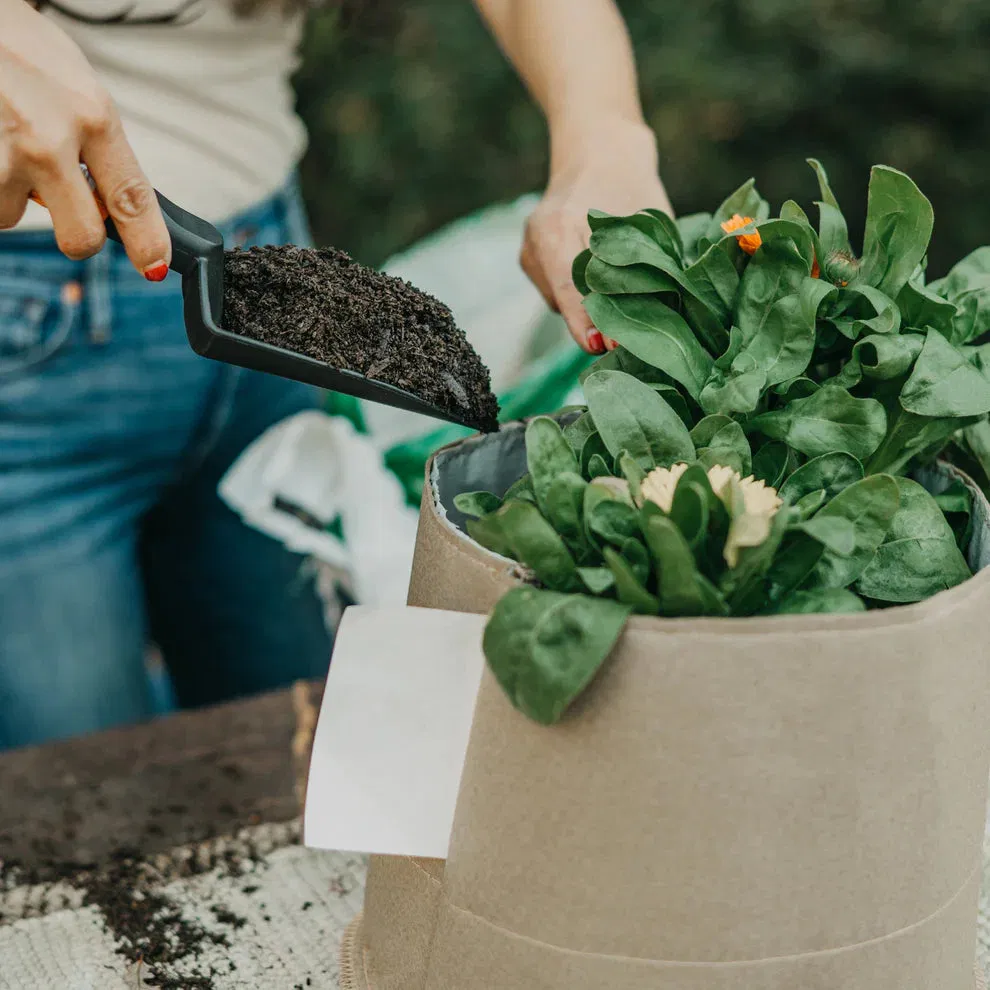
Step 1: The "No-Dig" Bed Prep
If you’re starting a new garden bed, don’t reach for the tiller. Instead:
- Mow the grass as short as possible.
- Lay down plain brown cardboard (remove the tape!) to smother weeds.
- Add 4-6 inches of high-quality compost on top.
- Plant directly into the compost. The cardboard will rot away, and the worms will do the tilling for you.
Step 2: Inoculate with Biology
Standard compost is great, but sometimes your soil needs a "jumpstart," especially if it has been treated with chemicals in the past. We use specialized products like Rhizo Logic® to reintroduce the specific beneficial fungi and bacteria that may be missing from your environment.
Step 3: Mulch Like You Mean It
Apply a 2-3 inch layer of wood chips (for perennials) or straw/leaves (for annuals) across your beds. This is the single best thing you can do for water retention.
Step 4: Observation
Walk your garden every day. Look for earthworm castings, check the smell of your soil (it should smell like a forest floor, not a swamp), and watch how your plants respond to the new "living" environment.
The Science of Success: The Rhizo Logic® Approach
At Regen Soil, we don't just guess; we test. Our approach combines traditional regenerative wisdom with cutting-edge microbiology.
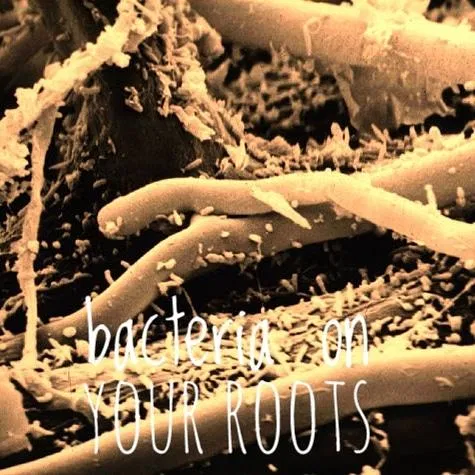
Our Rhizo Logic® product line is specifically formulated to address the "missing links" in modern soil. While common compost provides some life, our products focus on microbial diversity analysis and nutrient cycling efficiency. By applying these targeted microbes, we help you create a Living Soil environment that is self-sustaining.
Note: For those looking for a general soil recharge, we often recommend pairing these practices with products like Ultra Bio-boost (a Terrabiotics product) to ensure your soil has the raw minerals it needs to support the biology.
Frequently Asked Questions (FAQ)
Can I do this in containers?
Absolutely! Living soil thrives in pots. Use a high-quality potting mix, add worm castings, and avoid synthetic liquid feeds. Check out our Living Soil Patio Pro Kit for a complete setup.
How long does it take to "restore" soil?
You’ll see a difference in plant health within weeks, but building true soil structure and high organic matter takes 1–3 years of consistent regenerative practice.
Will living soil attract more bugs?
It will attract more life, including beneficial predators like ladybugs and predatory mites. The goal isn't a sterile environment; it's a balanced one where no single pest can take over.
Do I still need to fertilize?
In a mature living soil system, you won't need N-P-K bags. You might occasionally "top-dress" with compost or use a microbial tea to keep the biology active, but the system becomes largely self-feeding.
Conclusion: Start Your Regeneration Journey Today
Regenerative gardening is more than just a hobby; it’s an act of restoration. By building Living Soil, you are sequestering carbon, saving water, and growing the most nutrient-dense food possible.
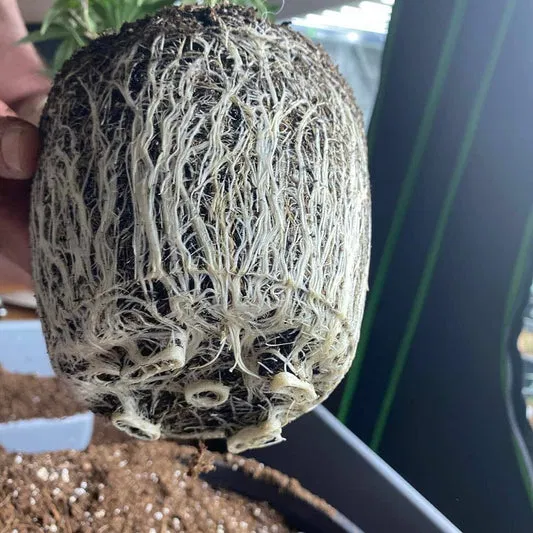
We know it can feel overwhelming at first, but remember: you don't have to do the work. The microbes do. Your job is simply to create the environment where they can thrive.
Ready for a deep dive?
- Explore our Initial Soil Health Assessment to see exactly what’s happening under your feet.
- Shop our Rhizo Logic™ Living Soil products to jumpstart your garden.
- Got questions? Leave a comment below or contact our expert consultants for a personalized restoration roadmap.
Let’s grow something living together.


