Is Free Mulch Actually Free? The Hidden Cost of Garden Shortcuts
By Jeremy Standring

We’ve all been there. You’re driving through town and see that glorious sign: "FREE MULCH – HELP YOURSELF." Or perhaps a local arborist offers to drop a massive steaming pile of wood chips in your driveway for nothing more than a thank you. As gardeners, especially here in New England where our growing season is precious, the idea of free organic matter feels like winning the lottery.
But as the old saying goes, there’s no such thing as a free lunch, and in the world of living soil, there is rarely such a thing as free mulch without a hidden biological price tag.
At Regen Soil, we advocate for a biology-first approach. We believe that soil isn't just dirt; it's a complex, breathing ecosystem. When you bring outside materials into your garden, you aren't just adding carbon; you are performing a "biological transfusion." If that material is contaminated, you aren't feeding your garden, you're infecting it.
This is Topic #2 in our Living Soil Debate Series, where we peel back the layers of popular gardening shortcuts to see if they hold up to scientific scrutiny. Today, we’re looking at the true cost of free mulch.
1. The "Free" Weed Seed Bank
The most immediate and obvious risk of town-provided mulch or bulk wood chips is the introduction of invasive species and aggressive weeds. Town piles are often the result of municipal brush clearing. This includes everything from roadside weeds to invasive Oriental Bittersweet and Multiflora Rose.
When these materials are chipped but not properly "hot composted," the seeds remain viable. You might save $50 on mulch today, but you’ll spend the next five years, and hundreds of hours, battling a weed explosion that didn't exist in your garden before.
We recommend source verification above all else. If you can’t verify that the material was free of seed-heads before chipping, you are essentially "seeding" your garden with trouble.
2. The Jumping Worm Menace: A New England Crisis
For Zone 6 gardeners, the name "Jumping Worm" (Amynthas spp.) is enough to cause a cold sweat. These invasive Asian worms don't just live in the soil; they devour the organic layer (the "duff") with terrifying speed, leaving behind "coffee ground" castings that won't hold water or nutrients.

The UMass Research Breakdown
The primary vector for jumping worms into residential gardens is contaminated mulch and compost. According to research from UMass Extension, the life cycle of these worms is their greatest defense. While the adults die off in the winter, they leave behind tiny, nearly invisible cocoons (egg cases) in the soil and mulch.
- The Temperature Threshold: Research has shown that jumping worm cocoons are generally destroyed when exposed to temperatures above 104°F (40°C) for at least three consecutive days.
- The Risk of Uneven Heating: This is where "free" mulch fails. Large municipal piles or arborist piles often have "cold spots." While the center of the pile might be steaming, the outer edges rarely reach the lethal 104°F threshold.
- The Result: You spread the mulch, the cocoons hatch in your garden, and within two seasons, your soil structure is decimated.
At Regen Soil, our Initial Soil Health Assessment often identifies the aftermath of jumping worm infestations. Reversing this damage requires a complete restoration of the microbial populations and soil structure, which is far more expensive than buying verified, heat-treated mulch from the start.
3. The Chemical Ghost: Persistent Herbicides
If jumping worms weren't scary enough, let's talk about the "Chemical Ghost." Persistent herbicides, specifically those in the pyralid family (like aminopyralid, clopyralid, and picloram), are a nightmare for organic gardeners.
These chemicals are designed to stay active for years. They are often sprayed on pastures or hayfields. If that hay is used as mulch, or if manure from animals that ate that hay is added to a "free town compost" pile, the herbicide survives the digestion process and the composting process.

The most dangerous part? Unlike jumping worm cocoons, persistent herbicides are NOT destroyed by heat. Even if a pile reaches 160°F, the aminopyralids remain active. When you spread this mulch, your broadleaf plants (tomatoes, peppers, legumes, and flowers) will begin to show:
- Cupped or twisted leaves
- Stunted growth
- Fern-like leaf distortion
- Death of the growing tip
Once these chemicals are in your soil, they can take 2–4 years to break down. You effectively "poison" your garden for multiple seasons in exchange for a free load of mulch.
4. Before You Accept Free Mulch: Ask These 3 Questions
We aren't saying all free mulch is bad, but we are saying you must be a "biological gatekeeper." Before that truck tips its bed, ask the driver or the facility manager these three questions:
- "Has this material been held at a consistent temperature of at least 104°F for 3 or more days?" (This addresses jumping worms).
- "Does this material contain any hay, straw, or manure inputs?" (If the answer is yes, the risk of persistent herbicides skyrockets. Pure wood chips are generally safer than blended composts).
- "What was the original source of the brush?" (If it came from a highway clearing or a utility line, it likely contains high levels of weed seeds and potentially heavy metal residues).
5. The Regen Soil Approach: Quality In, Quality Out
At Regen Soil, we focus on creating thriving ecosystems for long-term sustainability. Our Rhizo Logic™ Living Soil is built from the ground up with verified, clean inputs because we know that nutrient cycling and microbial diversity are only possible when the "foundation" is clean.
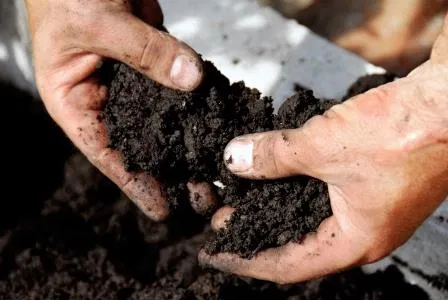
For those looking to transition to or improve their regenerative farming practices, we suggest the following hierarchy of mulch:
- Best: Wood chips from your own property (where you know the history).
- Better: Kiln-dried wood shavings or heat-treated bark mulch from reputable local nurseries.
- Good: Arborist chips from a trusted tree service that avoids roadside "junk" and confirms no jumping worms are present on their equipment.
- Risky: Town compost or mulch piles.
Pro-Tip: The Bioassay Test
If you’ve already taken the free mulch and you’re worried, perform a bioassay. Fill a small pot with your mulch/soil mix and plant a few pea or bean seeds. These are "canaries in the coal mine." If they sprout and grow twisted or stunted, you have persistent herbicides. If they grow straight and healthy, your risk is much lower.
FAQ: Navigating the Mulch Minefield
Can I solarize free mulch to make it safe?
Yes, for jumping worms. If you spread the mulch out thinly (about 2 inches deep) on a clear plastic sheet in the sun and cover it with another sheet of clear plastic, you can "cook" the cocoons. You need to reach 104°F for several days. However, this will not remove persistent herbicides.
Are arborist chips safer than town mulch?
Generally, yes. Arborist chips are usually fresh wood and bark. Since herbicides are rarely sprayed on the bark of large trees, the risk of aminopyralids is low. However, the risk of jumping worm cocoons remains if the chipper was previously used on a contaminated site or if the chips were stored on the ground.
How do I know if I have jumping worms?
Look for the "coffee ground" texture of the soil. If you pour a mixture of water and ground mustard seed on the soil, jumping worms (if present) will irritatedly surface. They move violently, like snakes, and often drop their tails when handled.
What should I use instead of free mulch?
We recommend using cover crops (living mulch) or high-quality, verified organic mulches. If you are growing in containers or small beds, our Living Soil Patio Pro Kit provides everything you need to maintain soil vitality without the risks of outside contamination.
Final Thoughts from Jeremy
Garden shortcuts are tempting, especially when the costs of everything else are rising. But in the regenerative agriculture world, we have to think in terms of decades, not just seasons. Protecting your soil biology is the single most important thing you can do as a land manager or home gardener.
Don't let a "free" pile of wood chips turn into a multi-year restoration project.
What do you think? Would you still use free wood chips if you knew they might come with invasive biology? Let’s discuss in the comments below.


