
Regenerative Farming 101: A Beginner’s Guide to Mastering Soil Microbiology
By Jeremy Standring
At Regen Soil, we believe that the secret to a thriving garden or farm isn't found in a bag of synthetic N-P-K fertilizer. Instead, it is hidden right beneath your feet within the complex, invisible world of the soil microbiome. For decades, conventional agriculture has treated soil as an inert medium, a literal "dirt" whose only job is to hold a plant upright while we pump it full of chemicals.
We are here to tell you there is a better way. Regenerative agriculture is a systems-thinking approach that focuses on restoring soil health, increasing biodiversity, and capturing carbon. At its heart lies a single, critical mission: mastering soil microbiology. In this guide, we will break down the "why" and "how" of moving from a chemical-dependent system to a biologically-driven one using our proprietary RSI Method.
What is Soil Microbiology?
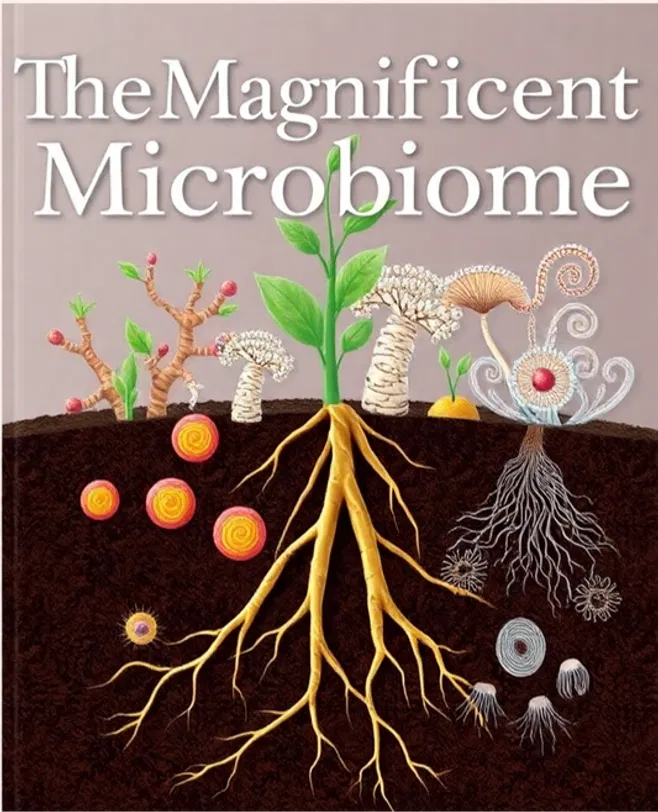
When we talk about soil microbiology, we are referring to the vast community of microorganisms, bacteria, fungi, protozoa, and nematodes, that live within the soil. This community is often called the Soil Food Web. These organisms are the "engine room" of your ecosystem.
In a healthy system, these microbes perform several essential functions:
- Nutrient Cycling: Microbes break down organic matter into forms that plants can actually absorb.
- Soil Structure: Fungi and bacteria produce biological glues (like glomalin) that bind soil particles together, creating "aggregates" that allow air and water to move freely.
- Disease Suppression: A diverse microbial community outcompetes pathogens, acting as a natural immune system for your plants.
- Carbon Sequestration: Through photosynthesis, plants pump carbon into the soil to feed microbes, effectively locking greenhouse gases underground.
Living Soil vs. Conventional Dirt: A Comparison
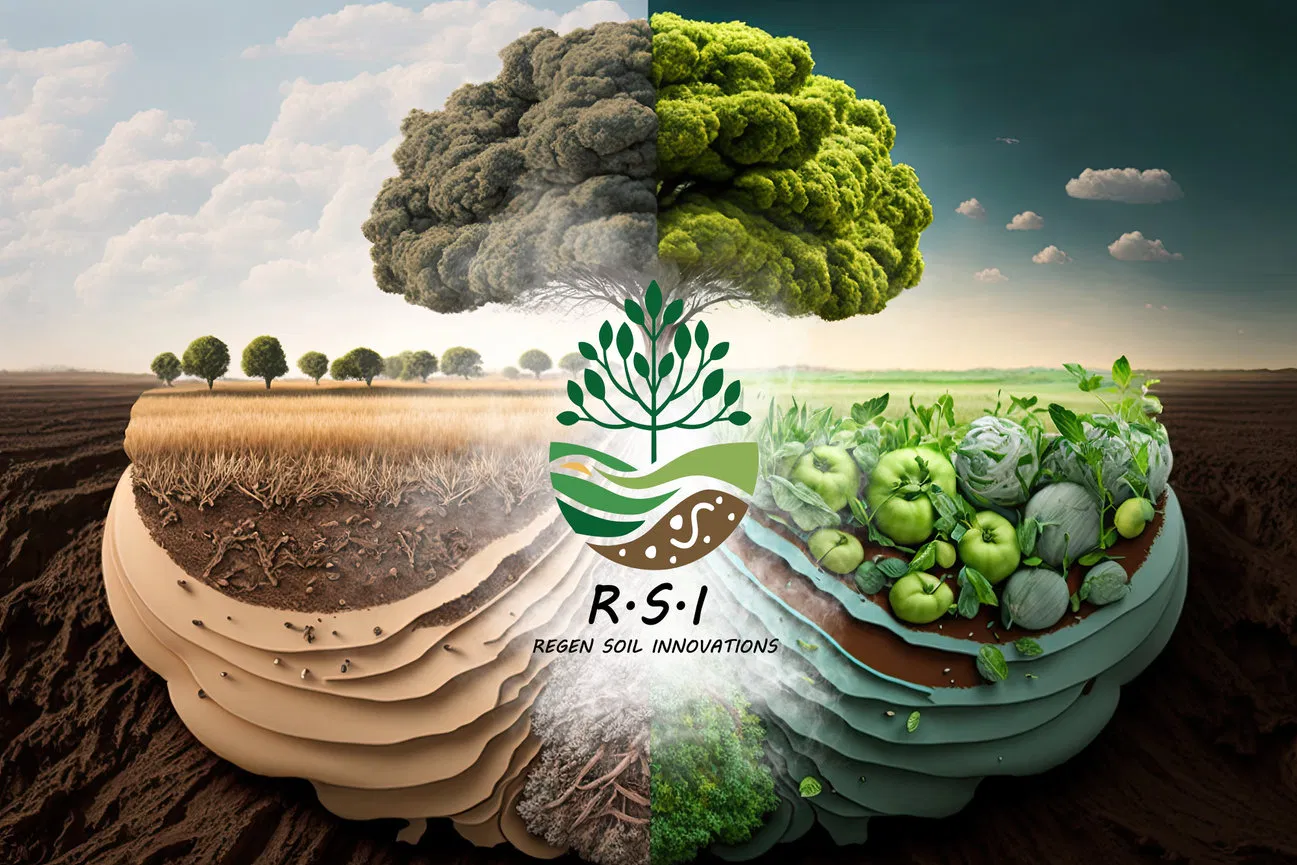
To understand why we champion Living Soil, we must look at how it compares to the conventional model. At Regen Soil, our flagship product line, Rhizo Logic®, is designed to provide this "living" environment out of the box.
| Feature | Conventional "Dirt" | Rhizo Logic® Living Soil |
|---|---|---|
| Nutrient Source | Synthetic, water-soluble salts | Organic matter & microbial cycling |
| Structure | Compacted, low oxygen | High porosity, aggregated |
| Water Retention | Poor; requires frequent irrigation | High; stores water in organic matter |
| Plant Health | Prone to "burn" and pests | Resilient with natural immunity |
| Sustainability | Depletes over time | Becomes more fertile every year |
The Core Pillars of Regenerative Farming
For those just starting, the transition can feel overwhelming. We recommend focusing on these four foundational pillars to kickstart your soil restoration journey.
1. Minimize Soil Disturbance
Tilling is the enemy of microbiology. When you turn the soil, you shatter the delicate mycelial networks (fungal strands) and expose sensitive bacteria to UV rays and oxygen levels that kill them. By adopting a "no-till" approach, we allow the biological structures to remain intact.
2. Maximize Biodiversity
A monoculture (growing only one type of plant) leads to a monoculture of microbes. Different plants exude different "root exudates" (sugars and proteins), which attract different types of beneficial bacteria. We encourage gardeners to use diverse cover crop mixes to feed a wider variety of "underground livestock."
3. Keep Living Roots in the Ground
Microbes need food year-round. In conventional systems, fields are left fallow (bare) during the off-season, which starves the soil biology. By keeping a living root in the ground at all times, we ensure a constant flow of carbon to the microbiome.
4. Armor the Soil
Bare soil is dying soil. Whether through cover crops or mulch, keeping the soil covered protects it from temperature extremes and erosion. It also provides a habitat for the larger members of the soil food web, like earthworms and beneficial insects.
Deep Dive: The Role of Inoculants
Sometimes, the soil is so degraded that it needs a "biological jumpstart." This is where soil amendments and inoculants come into play. However, it is important to distinguish between the types of products available.
Rhizo Logic® (Living Soil)
Our Rhizo Logic® products are designed to be a complete ecosystem. When you use a Living Soil Patio Pro Kit, you aren't just getting dirt; you are getting a pre-colonized community of beneficial microorganisms tailored for plant success.
Bio-boost (Terrabiotics)
For those looking to recharge existing soil, we recommend Ultra Bio-Boost by Terrabiotics. This is what we call a Terrabiotic, a potent microbial recharge that reintroduces essential bacteria and fungi into a tired medium. Think of it as a probiotic for your land. By applying these "bio-boosts," we help speed up the process of soil restoration that would naturally take years.
How to Get Started: A Step-by-Step Guide for Beginners
We have found that the best results come from a data-driven approach. Don't guess, test.
- Perform an Initial Assessment: Before you add anything, you need to know what you’re working with. We offer a comprehensive ISH Assessment (Initial Soil Health Assessment) to analyze your soil's biological and chemical state.
- Inoculate with Rhizo Logic®: If you are starting a new garden, begin with a biologically active base. Our 5-Gallon Living Soil options are perfect for small-scale beginners.
- Monitor Your Progress: Use tools like the Regen Soil Pulse to keep an eye on your metrics. You can see real-time data on your phone to ensure your "microbial farm" has the right moisture and temperature to thrive.
- Continuous Feed: Use organic amendments and cover crops to keep the cycle going. Remember, you are a "Microbe Farmer" first and a "Plant Farmer" second.

Common Mistakes to Avoid
In our years of consulting, we have seen several recurring errors that can stall your progress:
- Over-watering: Microbes need oxygen. Saturated soil becomes anaerobic, which encourages harmful pathogens like Pythium.
- Using Chlorinated Water: Chlorine is designed to kill bacteria in drinking water. Unfortunately, it doesn't distinguish between "bad" bacteria and your beneficial soil microbes. We suggest using a filter or letting water sit out to de-gas.
- Applying Synthetic "Quick-Fix" Fertilizers: High-salt fertilizers can dehydrate and kill the very microbes you are trying to cultivate.
For a deeper look into these pitfalls, check out our article on 7 Mistakes You’re Making with Living Soil.
FAQ: Mastering Soil Microbiology
Q: How long does it take to see results?
- While biological changes begin immediately, it typically takes 1-3 growing seasons to see a total transformation in soil structure and plant resilience.
Q: Can I use Bio-boost with any soil?
- Yes! Bio-boost (Terrabiotics) is designed to enhance any growing medium, though it works best when paired with organic practices that provide a food source for the microbes.
Q: Is "Living Soil" more expensive?
- In the short term, the initial investment in products like Rhizo Logic® may be higher than cheap potting soil. However, because the soil regenerates and requires fewer external inputs over time, it is significantly more cost-effective in the long run.
Q: Do I need a microscope to manage my soil?
- While a microscope is a great tool for the "pro" grower, beginners can rely on visual indicators like soil color (darker is better), the presence of earthworms, and our data-sharing tools to monitor health.
Conclusion: The Path Forward
Regenerative farming is more than a trend; it is a necessity. By shifting our focus from the plant to the soil, we create a system that is self-sustaining, carbon-sequestering, and capable of producing the most nutrient-dense food possible. Whether you are a backyard gardener or a commercial operator, the principles of soil microbiology remain the same: Feed the soil, and the soil will feed the world.
Are you ready to stop using "crunchy water" and start growing real food? We invite you to explore our blog for more technical guides or contact us to start your personalized soil health journey today.
What’s your biggest challenge with soil health? Drop a comment below or reach out: we’d love to help you master your microbiome!


