
Do You Really Need Beneficial Microbes? Here’s the Truth Behind Our Living Soil Success Stories
By Jeremy Standring
For years, the agriculture industry has been dominated by a "feed the plant" mentality. If a plant looks yellow, you add nitrogen. If it’s wilting, you add water. While this linear approach works in the short term, it often ignores the most critical component of a truly productive ecosystem: the soil biology. At Regen Soil, we frequently encounter growers who ask, "Do I really need to spend money on beneficial microbes?"
The short answer is yes, but the "why" is where the real magic happens. We don’t just view microbes as an "add-on" to a fertilizer regimen; we view them as the primary engine of regenerative agriculture. In this deep dive, we’ll explore the technical reality of microbial life, the difference between sterile and living soil, and why our Rhizo Logic® approach has become the gold standard for soil restoration.
The Invisible Workforce: Defining the Players
To understand why microbes are essential, we have to look at what they actually do beneath the surface. Soil isn't just "dirt"; it’s a complex biological matrix. When we talk about living soil, we are referring to an ecosystem where the soil food web is fully functional.
1. Bacteria: The Chemical Engineers
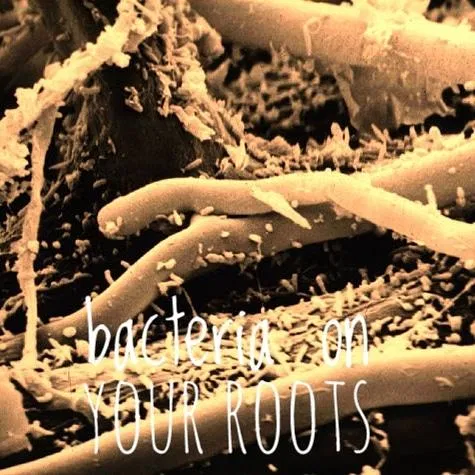
Bacteria are the most numerous organisms in the soil. They are responsible for nutrient cycling, specifically the process of mineralization. They consume organic matter and "lock up" nutrients in their bodies (immobilization), preventing them from leaching away. When these bacteria die or are eaten, those nutrients are released in a plant-available form. Our Rhizo Logic® products are specifically designed to foster these bacterial populations to ensure a steady supply of nutrition.
2. Fungi: The Logistics Experts
Mycorrhizal fungi form symbiotic relationships with plant roots, effectively extending the root system's surface area by up to 1,000 times. These fungi are experts at mining phosphorus and transporting water from deep within the soil profile that the plant could never reach on its own.
3. Protozoa and Nematodes: The Regulators
These larger microbes eat bacteria and fungi. This might sound counterproductive, but it’s actually the primary mechanism for nutrient release. As they consume bacteria, they excrete excess nitrogen as ammonium, which the plant immediately absorbs. Without these predators, the "engine" of the soil would stall.
Systems-Thinking: Why Sterility is the Enemy of Success
In traditional "salt-based" cultivation, the goal is often to keep the medium as sterile as possible to avoid pathogens. However, this creates a fragile system. When you remove the beneficial microbes, the plant becomes 100% dependent on the grower for every single milligram of nutrition. If you miss a feeding or the pH drifts, the plant suffers immediately.
We advocate for a systems-thinking approach. In a living soil environment, the microbes act as a buffer. They regulate pH, protect roots from pathogens through competitive exclusion, and provide a slow-release "buffet" of nutrients. This is the foundation of the RSI Method, which focuses on long-term sustainability over quick, chemical-heavy fixes.
The Truth Behind Our Success Stories
We’ve seen incredible transformations through soil restoration. One of our most notable cases involved a commercial grow that had become "dead." The soil was compacted, the plants were showing chronic micro-nutrient deficiencies, and yields were plummeting despite high fertilizer inputs.
By implementing a rigorous ISH Assessment, we identified a total lack of microbial diversity. We didn't just add more fertilizer; we inoculated the system with Rhizo Logic® beneficials and used Bio-boost, a key product in the Terrabiotics line, to provide the necessary catalysts for microbial activation.
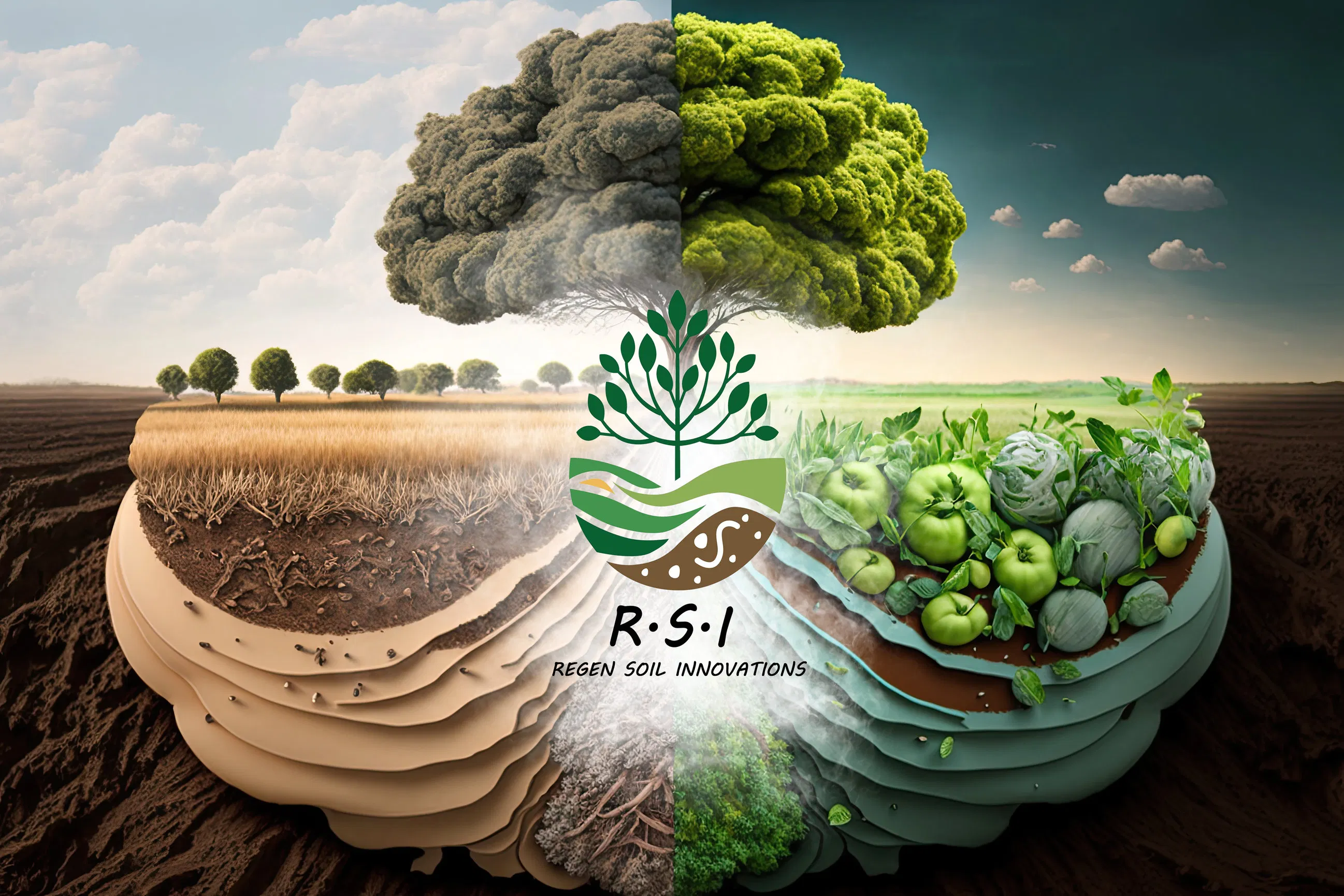
The result? Within one cycle, the soil structure improved (becoming more friable), water retention increased by 30%, and the "hopeless" plants bounced back with a vitality that outperformed the previous "healthy" cycles. This isn't magic; it’s biology returning to its natural state.
Comparative Analysis: Sterile vs. Living Soil
| Feature | Sterile/Salt-Based Media | Living Soil (Rhizo Logic®) |
|---|---|---|
| Nutrient Source | Synthetic chelates | Organic matter & microbial cycling |
| pH Management | Constant monitoring/adjustment | Naturally buffered by biology |
| Root Health | Susceptible to "root rot" (Pythium) | Protected by beneficial colonies |
| Sustainability | Low (high waste/leaching) | High (regenerative agriculture) |
| Cost | High (frequent chemical purchases) | Low (long-term biological stability) |
The Role of Terrabiotics and Bio-boost
While Rhizo Logic® focuses on the foundational microbial populations of living soil, we also utilize the Terrabiotics line for specific performance boosts. Bio-boost is a prime example. It’s not a microbial inoculum itself, but rather a complex biostimulant that acts as high-octane fuel for the microbes already present.
Think of Rhizo Logic® as the "engine" and Bio-boost as the "turbocharger." When you combine the two, you see accelerated growth rates and increased terpene production in crops like cannabis. You can learn more about this synergy on our Bio-boost product page.
Deep Dive: The Rhizosphere Effect
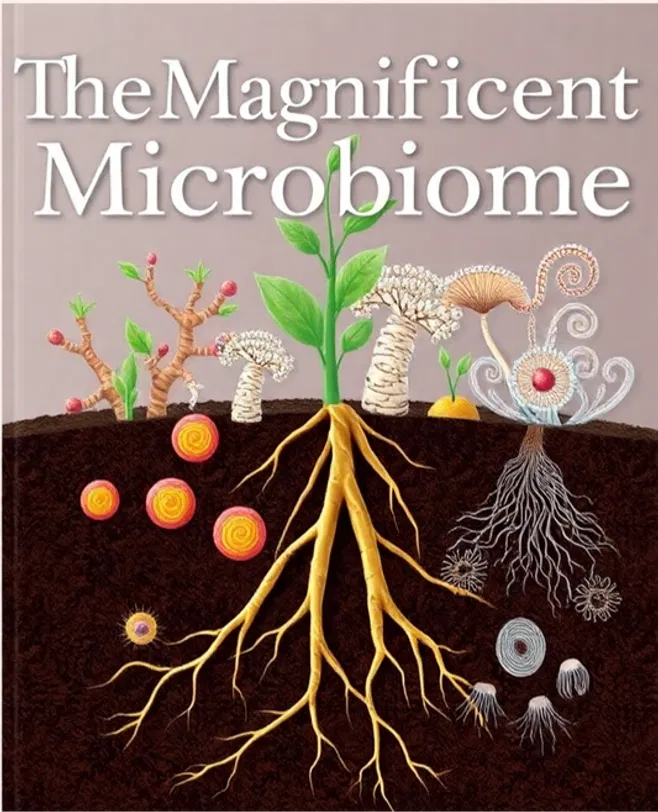
The Rhizosphere is the narrow zone of soil surrounding a plant root. This is the most biologically active place on Earth. Plants actually "leak" up to 30% of their photosynthetic energy (in the form of sugars or "exudates") into the soil. Why would a plant "waste" its hard-earned energy?
It’s not a waste. It’s a trade. The plant is literally "hiring" microbes by feeding them sugar. In exchange, the microbes provide nitrogen, phosphorus, and protection. If your soil is sterile, the plant is still pumping out those sugars, but there’s nobody there to do the work. This leads to energy depletion and a weakened immune system. By using science-backed soil health strategies, we ensure that every drop of energy the plant invests into the soil yields a massive return.
Practical Advice for Every Grower
For Beginners
Don’t overcomplicate it. Start with a high-quality base and use a foundational microbial product. Focus on keeping your soil moist (not soaking) to keep the microbes alive. Remember: if the soil dries out completely, your "workforce" dies.
For Experienced Growers
If you’re already seeing good results, it’s time to look at microbial diversity. Are you only using one or two strains of bacteria? Introducing a wider spectrum of fungi and protozoa can unlock nutrients that were previously "stuck" in your soil. We recommend a full ISH Assessment to see what's actually living in your medium.
For Commercial Operations
Efficiency is the name of the game. By transitioning to regenerative agriculture practices, you can significantly reduce your overhead costs on synthetic inputs and pest management. Microbes don't just grow plants; they build soil structure that lasts for years, reducing the need for media replacement.

Frequently Asked Questions (FAQ)
Q: Can I use microbes with synthetic fertilizers?
A: Yes, but be careful. High concentrations of synthetic salts can dehydrate and kill some microbial species. We recommend using a lower dosage of salts or transitioning to organic inputs to get the most out of your beneficials.
Q: How often should I re-apply Rhizo Logic®?
A: In a perfectly balanced system, microbes self-replicate. However, in most garden environments, we recommend a "maintenance dose" every 2-4 weeks to ensure diversity remains high, especially after heavy watering or environmental stress.
Q: Does Bio-boost replace my fertilizer?
A: No. Bio-boost (from the Terrabiotics line) is a catalyst and biostimulant. It helps the plant and microbes work more efficiently, but you still need to ensure the soil has adequate organic matter or base nutrients for them to process.
Q: How do I know if my microbes are working?
A: You’ll see it in the plant’s resilience. Plants in living soil typically have thicker stems, darker green leaves, and a much higher tolerance for heat and drought. You can also monitor metrics using devices like the Regen Soil Pulse.

Final Thoughts: The Path Forward
The truth is, you can grow a plant in a sterile environment, but you can’t build an ecosystem that way. Regen Soil is committed to helping you move away from the "chemical treadmill" and toward a system that works in harmony with nature. Whether you are doing soil restoration on a large farm or just starting a home garden, the beneficial microbes in your soil are your most valuable assets.
Ready to see what a truly alive soil can do for your harvest? Reach out to us for a consultation or check out our full range of Rhizo Logic® and Terrabiotics solutions. Let's grow something better, together.
What has been your experience with beneficial microbes? Have you noticed a "night and day" difference in your garden? Let us know in the comments below or message us for personalized advice!


