
Regenerative Agriculture 101: A Beginner's Guide to Mastering Dr. Elaine Ingham’s Bio-Complete™ Methods
By Jeremy Standring
Let’s be honest: most of us were taught that plants need three things, NPK (Nitrogen, Phosphorus, and Potassium), water, and a little bit of sunshine. We were told that if the plant looks hungry, you dump more chemicals on it. If a bug shows up, you spray it. If a weed pops up, you kill it.
But at Regen Soil, we look at things differently. We don't see soil as a passive medium to hold up roots while we force-feed them salts. We see soil as a living, breathing ecosystem. If your soil is "dead" (just sand, silt, and clay without life), you aren't farming; you’re managing a hydroponic system in the dirt.
To truly master regenerative agriculture, we have to look toward the pioneer of the Soil Food Web: Dr. Elaine Ingham. Her Bio-Complete™ methods have revolutionized how we understand soil health, moving us away from chemical dependency and back toward biological harmony.
What is Regenerative Agriculture, Anyway?
In short, it’s a "systems-thinking" approach to farming and gardening. Instead of just trying to "sustain" the current (often degraded) state of our land, we aim to regenerate it. This means increasing biodiversity, enriching soils, improving watersheds, and enhancing ecosystem services.
According to Dr. Ingham, there is no soil on Earth that lacks the nutrients to grow plants. The nutrients are there; they are just locked up in a non-exchangeable form. The key to unlocking them? Microbiology.
The Core Philosophy: The Soil Food Web
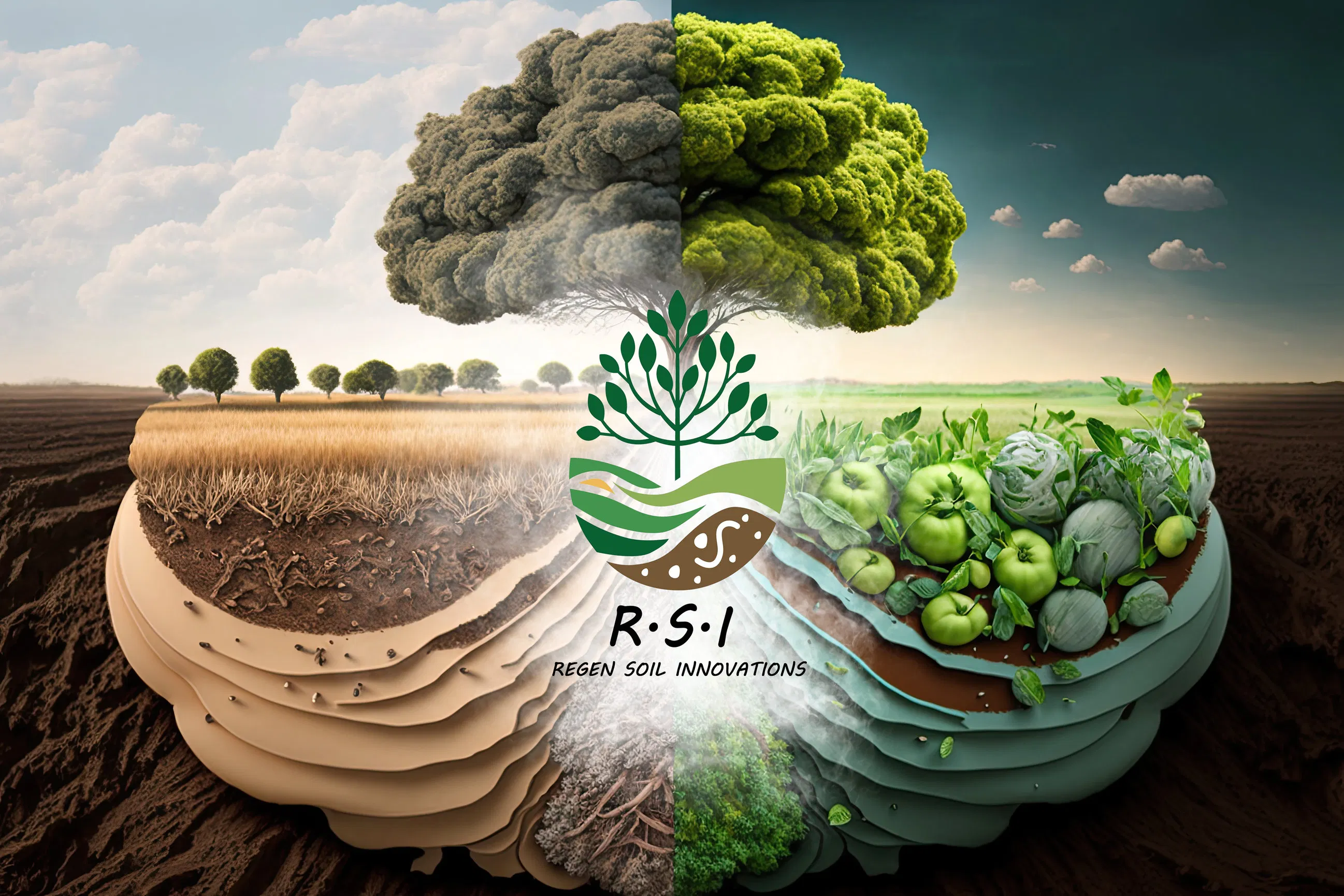
The Soil Food Web is a complex network of organisms: bacteria, fungi, protozoa, and nematodes: that manage nutrient cycling. When this web is intact, the plant actually takes the driver’s seat. It releases "exudates" (sugars, proteins, and carbohydrates) through its roots to "hire" specific microbes to go out and find the exact nutrients it needs.
If your soil is missing these microscopic workers, the plant starves, regardless of how much fertilizer you throw at it. This is where Dr. Ingham’s 3-step Bio-Complete™ approach comes into play.
Step 1: Identify (The Science of Seeing)
You can’t fix what you don’t measure. Most conventional soil tests tell you the chemical levels, but they tell you nothing about the biological life. To master the Bio-Complete™ method, we start by identifying which groups of microorganisms are missing.
The Fungal-to-Bacterial (F:B) Ratio
This is the holy grail of soil biology. Different plants require different F:B ratios:
- Weeds: Prefer bacterial-dominated soil (think 0.1:1).
- Vegetables and Cannabis: Prefer a balanced ratio (around 1:1).
- Trees and Shrubs: Prefer fungal-dominated soil (5:1 to 100:1+).
If you are trying to grow high-quality crops in soil that is 100% bacterial, you are essentially inviting weeds to the party. We use our Initial Soil Health (ISH) Assessment to look under the microscope and see exactly who is home and who called out sick.
Step 2: Boost (The Art of Bio-Complete™ Compost)
Once we know what’s missing, we have to put it back. But don't mistake "organic matter" for "Bio-Complete™ Compost." Standard municipal compost is often just decomposed green waste that has been turned too much or too little, often lacking the fungal diversity and protozoa needed for true regeneration.
Bio-Complete™ Compost is a specialized recipe. It requires:
- Thermal Management: Ensuring the pile reaches temperatures high enough to kill pathogens and weed seeds, but not so high that it kills the beneficials.
- Aerobic Conditions: Keeping the microbes breathing. If it smells like rotten eggs or ammonia, it’s anaerobic, and you’re growing the "bad guys."
- Microbial Inoculation: This is where we bring in the heavy hitters.
At Regen Soil, we’ve developed our Rhizo Logic® line of products to help bridge this gap. Our 5-Gallon Living Soil and microbial blends are designed to provide that immediate biological boost, ensuring your rhizosphere is populated with the architects of soil health.
Step 3: Adopt (Management for Longevity)
The final step is the hardest for many growers: Stop breaking it. You wouldn't invite a construction crew to renovate your house and then set the building on fire every Tuesday. Using synthetic fungicides, pesticides, and heavy tilling is the equivalent of setting your soil on fire.
Key Management Practices:
- No-Till/Low-Till: Every time you turn the soil, you slice through the delicate fungal hyphae (the "internet" of the soil) and crush the pore spaces where microbes live.
- Keep it Covered: Nature abhors a vacuum. Bare soil is an invitation for erosion and weeds. Use cover crops or mulch to keep the biology shaded and fed.
- Ditch the Chemicals: Synthetic fertilizers are salts. Salts dehydrate and kill soil microbes.
Why This Matters: The Benefits
When you master these methods, the results aren't just "feel-good" environmental wins; they are bottom-line victories.
- Yield Increases: We often see 20-30% yield increases in the first season because the plants are finally getting the nutrients they need, when they need them.
- Pest and Disease Resistance: A healthy Soil Food Web creates a "biological shield" around the roots. If a pathogen tries to move in, the beneficial microbes literally fight them off.
- Water Conservation: Living soil acts like a sponge. Organically rich, biologically active soil can hold significantly more water, reducing your irrigation needs and making your garden drought-resistant.
Tailoring the Approach
For the Beginner
Start small. Don't try to transform a 10-acre field overnight. Start with a raised bed or a few pots. Use a high-quality Living Soil and focus on keeping it moist and aerated. Observe your plants: they will tell you when the biology is working.
For the Experienced Grower
If you’ve been growing organic for a while but feel like you’ve hit a plateau, it’s time for a microscope. You likely have plenty of bacteria but are lacking in Protozoa and Nematodes: the organisms responsible for eating bacteria and releasing nitrogen right at the root zone.
For Commercial Operations
Regenerative agriculture at scale is about efficiency. By restoring the soil food web, you can drastically reduce your input costs. No more buying expensive bottled nutrients or chemical sprays. We recommend starting with a Soil Health Assessment to create a data-driven roadmap for your transition.
Deep Dive: The Rhizosphere and Rhizo Logic®
The rhizosphere is the narrow region of soil directly influenced by root secretions. This is where the "handshake" between plant and microbe happens. Our Rhizo Logic® products are specifically formulated to optimize this zone. Unlike generic fertilizers, Rhizo Logic® focuses on the logic of the roots: providing the biological diversity required for the plant to thrive autonomously.
Note: While we also offer Bio-boost (a Terrabiotics product), our Rhizo Logic® line is our flagship for anyone focusing strictly on the Living Soil and Bio-Complete™ philosophy.
Comparative Analysis: Biology vs. Chemistry
| Feature | Chemical Farming (NPK) | Regenerative (Bio-Complete™) |
|---|---|---|
| Nutrient Source | Synthetic Salts | Biological Cycling |
| Soil Structure | Degrades over time | Improves over time |
| Water Needs | High (due to runoff/evaporation) | Low (due to high organic matter) |
| Pest Control | Chemical Pesticides | Microbial Defense/Plant Immunity |
| Long-term Cost | Increasing (more inputs needed) | Decreasing (system becomes self-sustaining) |
Frequently Asked Questions (FAQ)
Q: How long does it take to see results? A: You can see changes in plant vigor within weeks. However, true soil restoration: building deep layers of humus and complex fungal networks: can take 1 to 3 growing seasons.
Q: Can I use Bio-Complete™ methods in pots? A: Absolutely! In fact, it’s often easier to manage the biology in a controlled environment. Check out our guide on tackling fungus gnats in living soil for more pot-specific tips.
Q: Do I need a microscope? A: You don't need one, but it's the only way to be 100% sure of what's happening. If you aren't ready to invest in a lab-grade scope, that’s what we are here for. We can do the heavy lifting for you.
Q: Is "Living Soil" the same as "Super Soil"? A: Not exactly. "Super Soil" is often heavily amended with organic fertilizers that eventually "burn out." Living Soil is an ecosystem that replenishes itself through the Soil Food Web.
Join the Underground Movement
Regenerative agriculture isn't just a way to grow better tomatoes or more potent cannabis; it’s a way to heal the planet, one square foot at a time. By mastering Dr. Elaine Ingham’s Bio-Complete™ methods, you are moving from being a "grower" to being an "ecosystem manager."
Ready to see what’s actually happening in your dirt? Meet Jeremy and the team at Regen Soil, or dive deeper into our blog to continue your education. Let’s stop treating our soil like dirt and start treating it like the life-giving miracle it is.
What’s your biggest challenge with switching to regenerative methods? Drop a comment below or reach out for a consultation: we’d love to help you bridge the gap between dead dirt and living soil!


