Regenerative Agriculture 101: A Beginner’s Guide to Mastering Living Soil at Home
By Jeremy Standring
Welcome to the underground movement, literally. If you’ve been hanging around the gardening world lately, you’ve probably heard the term regenerative agriculture tossed around more than a salad at a health food convention. But what does it actually mean for you, the home grower, sitting there with a trowel and a dream?
At Regen Soil, we believe that the secret to world-class plants isn't found in a brightly colored bottle of synthetic nutrients. It’s found in the complex, beautiful, and slightly chaotic world of the soil microbiome. Regenerative agriculture isn’t just a buzzword; it’s a biological philosophy that turns your garden from a high-maintenance outdoor project into a self-sustaining ecosystem.
In this guide, we’re going to break down the "how" and the "why" of mastering living soil at home, so you can stop "growing plants" and start cultivating life.
What is Regenerative Agriculture, Anyway?
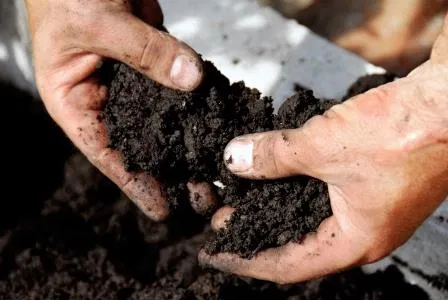
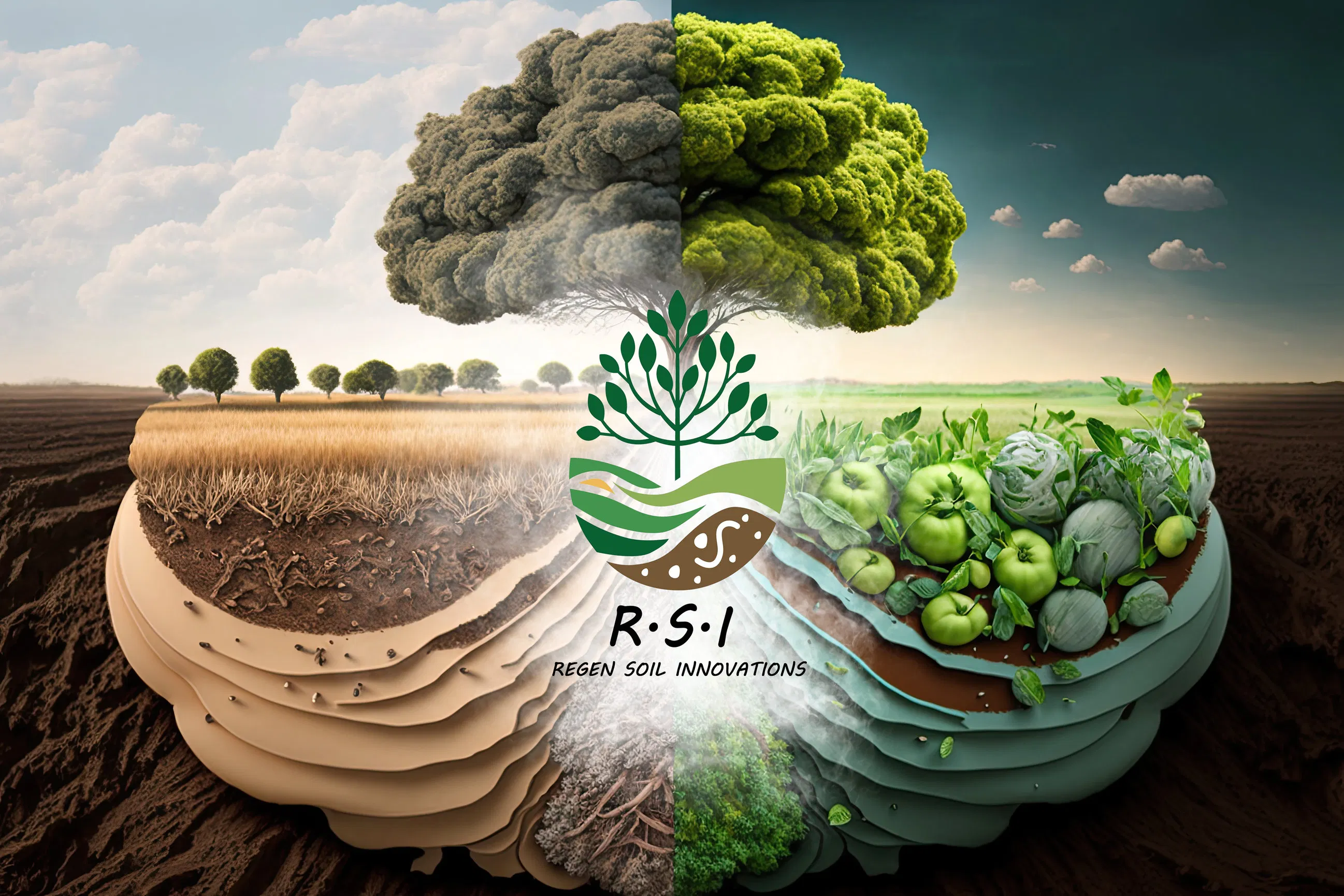
In the simplest terms, regenerative agriculture is a holistic approach to land management that focuses on restoring soil health. While conventional farming (and even some "organic" gardening) often depletes the soil over time, regenerative practices actually make the land better, more fertile, and more resilient with every passing season.
Think of your soil like a bank account. Conventional methods are a series of constant withdrawals. Regenerative methods are a high-interest savings account where the "interest" is generated by microbial populations and nutrient cycling.
We aren't just trying to "do no harm." We are trying to heal. By mimicking nature’s own systems, we can sequester carbon, increase water retention, and grow plants that are naturally resistant to pests and diseases.
The Core Principles of Regenerative Success
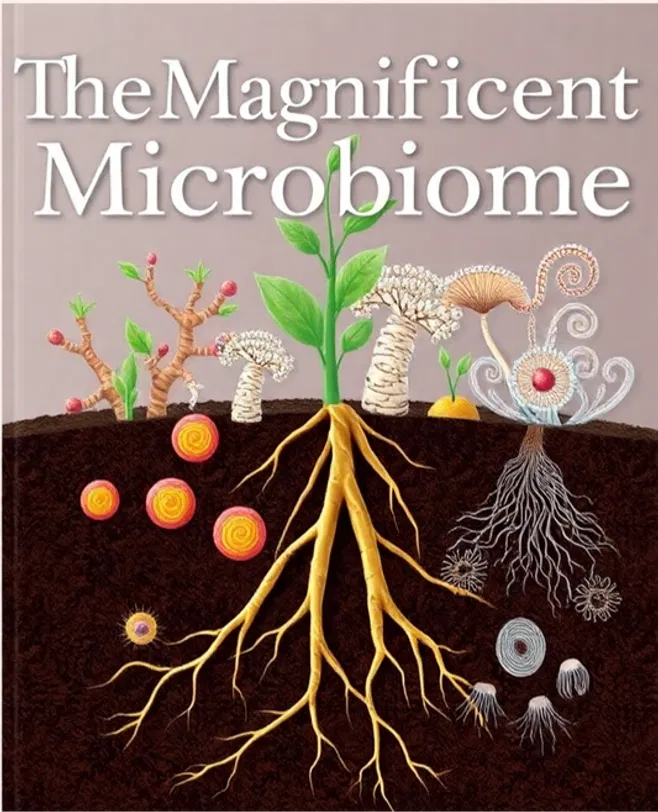
To master living soil at home, you need to understand the four pillars of the regenerative mindset. We follow these strictly at Regen Soil, and they are the foundation of our RSI Method.
1. Minimize Soil Disturbance
If you take one thing away from this guide, let it be this: Put down the rototiller. Every time you flip or till the soil, you’re essentially triggering a microscopic earthquake. You’re tearing apart the delicate fungal networks (mycelium) and exposing anaerobic microbes to oxygen, which kills them instantly. At Regen Soil, we advocate for "No-Till" or "Low-Till" systems. We want to keep that soil structure intact.
2. Keep the Soil Covered
Nature hates being naked. If you leave soil bare, the sun bakes the life out of the top layer, and the wind carries away your best nutrients. Use mulch, straw, or better yet, cover crops. Keeping the surface protected maintains moisture and provides a habitat for the "shredders" (like worms and beetles) that kickstart the composting process.
3. Maintain Living Roots Year-Round
A living root in the ground is like a 24/7 diner for soil microbes. Plants pump "exudates": essentially sugar water: out of their roots to feed bacteria and fungi. In exchange, these microbes "mine" minerals from the soil and hand-deliver them to the plant. When you pull your plants and leave the soil fallow, that diner closes, and your microbial staff moves out or dies.
4. Maximize Biodiversity
Monoculture (growing just one thing) is an invitation for pests. By mixing your crops, using companion plants, and rotating what you grow, you create a complex web of life. Different plants attract different microbes, leading to a more robust and balanced ecosystem.
Dirt vs. Living Soil: Know the Difference
One of the biggest hurdles for beginners is realizing that dirt and soil are not the same thing.
- Dirt is dead. It’s just ground-up rocks and sand. It requires constant inputs of synthetic fertilizers because there is no biological engine to provide nutrients.
- Living Soil is a thriving metropolis. It’s a mixture of minerals, organic matter, and billions of organisms: bacteria, fungi, protozoa, and nematodes: all working in harmony.
When you use our Rhizo Logic® products, you are intentionally inoculating your growing medium with the specific biology required to bridge the gap between "dead dirt" and "thriving ecosystem." We focus heavily on soil restoration, ensuring that the fungal-to-bacterial ratios are optimized for whatever you’re growing.
Getting Started: The Beginner’s Roadmap
You don't need a 100-acre farm to be a regenerative hero. You can start in your backyard or even in a small tent with our 5-Gallon Living Soil setup.
Step 1: The Assessment
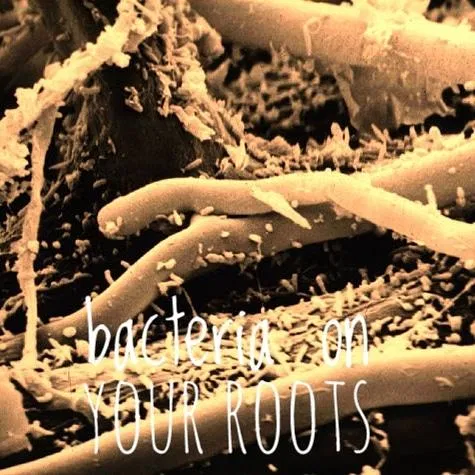
Before you add anything, you need to know what you’re working with. We highly recommend an Initial Soil Health (ISH) Assessment. This isn't your standard hardware store N-P-K test. We look at the actual biology under a microscope to see if your "microbial workforce" is showing up for duty.
Step 2: Build Your Foundation
If you’re starting from scratch, don’t just buy "potting mix." You want a living system. If you're debating between different methods, check out our deep dive on Living Soil vs. Super Soil to see why a truly regenerative living soil is the superior choice for long-term health.
Step 3: Inoculate with Rhizo Logic®
Once your physical medium is set, it’s time to add the "brain." Our Rhizo Logic® line is specifically designed to establish those crucial root-microbe interactions. Think of it as the software that runs the hardware of your soil.
Step 4: Enhance with Bio-boost
To keep the system firing on all cylinders, we use Bio-boost (a Terrabiotics product). This acts as a catalyst, providing the high-energy fuel that microbes need to cycle nutrients efficiently. It’s the "Liquid Gold" that bridges the gap during high-demand growth phases.
Systems Thinking: Why the Microbes Matter
At Regen Soil, we look at everything through a systems-thinking lens. We don’t just see a yellow leaf and think "add nitrogen." We ask, "Why isn't the biology delivering nitrogen to the plant?"
Often, the answer lies in the Rhizosphere: the area immediately surrounding the plant roots. This is where the magic happens. When you have a healthy population of Soil Protozoa, they act as the "architects," eating bacteria and releasing nitrogen in a form the plant can actually use.
By focusing on the biology, you are building ecosystem resilience. Your plants become more drought-tolerant because fungal networks can reach water sources that roots can’t. They become more pest-resistant because beneficial microbes form a protective "bio-film" around the roots, acting like a microscopic security team.
Common Pitfalls for Beginners
Even with the best intentions, it's easy to slip up. Here are a few things we’ve learned over the years:
- Over-Watering: Living soil needs oxygen. If you keep it saturated, you drown your aerobic microbes and invite pathogens like Grey Mold.
- The "Chemical Itch": It’s tempting to reach for a synthetic "bloom booster" when you want bigger flowers. Don't. Synthetic salts can kill the very microbes you’ve worked so hard to cultivate. Trust the process.
- Ignoring the Surface: If you don't use cover crops, you're missing out on free nitrogen and soil structure. Check out our Guide to Cover Crops to learn how to do it right.
FAQ: Regenerative Agriculture at Home
Q: Is regenerative agriculture more expensive?
A: Initially, there’s an investment in biology and quality amendments. However, over time, your costs plummet because you aren't buying bottled nutrients every week. The soil becomes more self-sufficient.
Q: Can I do this in containers?
A: Absolutely. While larger volumes of soil are easier to manage (more "buffer"), we’ve seen incredible success with regenerative practices in containers as small as 5 gallons.
Q: How do I know if my soil is "living"?
A: Look for signs of life! Earthworms, fungal hyphae (white fuzzy strands), and a rich, earthy smell (geosmin) are all good indicators. For a technical answer, get an ISH Assessment.
Q: Do I still need to fertilize?
A: We prefer the term "top-dressing." Instead of liquid salts, we add organic matter and microbial inoculants like Rhizo Logic® to keep the nutrient cycle spinning.
Join the Soil Revolution
Regenerative agriculture isn't just about growing better tomatoes or bigger flowers: though that’s a nice perk. It’s about being part of the solution to climate change and environmental degradation, starting right in your own backyard.
By restoring the living soil, you’re participating in a system that leaves the earth better than you found it. If you’re ready to take the plunge but aren't sure where to start, reach out to us. We’re here to help you navigate the microscopic world and ensure your garden is a thriving, regenerative success.
What’s your biggest challenge with soil health? Drop a comment below or send us a message: we love talking shop (and soil).