
Regenerative Agriculture 101: A Beginner’s Guide to Mastering Living Soil at Home
By Jeremy Standring
Forget everything you thought you knew about "feeding" your plants. If you’ve spent years lugging heavy bottles of synthetic nutrients to your garden or tilling your backyard into a fine powder every spring, we have some news for you: nature didn't need a hardware store to grow the Amazon rainforest, and it doesn't need one to grow your garden either.
Welcome to the world of Regenerative Agriculture. At its core, this isn't just a fancy buzzword for "organic gardening." It is a fundamental shift from viewing soil as a dead medium for holding plants up to seeing it as a vibrant, breathing ecosystem. At Regen Soil, we specialize in helping growers transition from chemical-dependency to biological-sufficiency.
In this guide, we’re going to break down how you can ditch the "dirt" and start mastering living soil right in your own home or backyard.
What is Regenerative Agriculture? (Beyond the Buzzword)
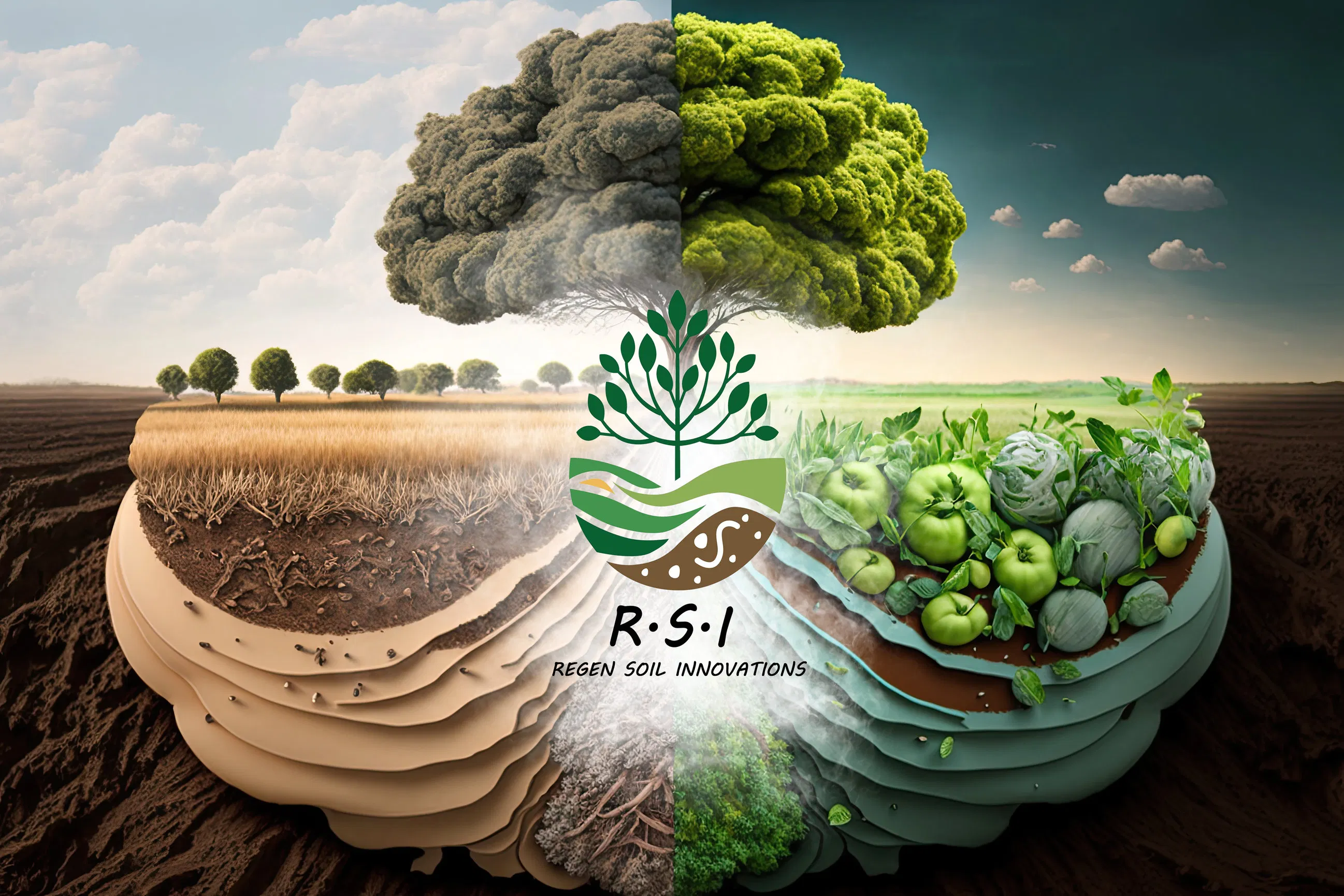
Most modern gardening is "extractive." We put seeds in, we pump in chemicals to force growth, and we harvest, leaving the soil depleted and lifeless. Regenerative agriculture flips the script. It’s a holistic approach focused on soil restoration, biodiversity, and carbon sequestration.
We don't just want to "sustain" the current state of our gardens: which is often pretty poor: we want to regenerate them. We want to leave the soil better, more fertile, and more biologically active than we found it. This process centers on the Soil Food Web, a complex community of bacteria, fungi, protozoa, and nematodes that work together to recycle nutrients and build soil structure.
The 5 Pillars of Regenerative Living Soil
To master living soil at home, you need to follow a set of biological rules. We’ve distilled these into five main principles that we use in our RSI Method to ensure maximum soil health.
1. Minimize Soil Disturbance (Stop the Blender!)
Every time you till or turn your soil, you are essentially hitting a blender button on a microscopic city. You shatter the delicate fungal hyphae (the "internet" of the soil) and crush the pores that allow oxygen and water to move.
- The Beginner Tip: Switch to "no-till" methods. Instead of digging up your beds, simply layer organic matter (compost, mulch) on top and let the worms do the heavy lifting for you.
2. Maximize Biodiversity
In nature, you rarely see a monoculture. A variety of plants supports a variety of microbes. Different plants exude different sugars (exudates) through their roots, attracting a diverse crowd of beneficial bacteria and fungi.
- The Beginner Tip: Don't just plant tomatoes. Mix in marigolds, herbs, and cover crops to keep the underground party diverse.
3. Maintain Living Roots Year-Round
Microbes eat the carbon-rich sugars leaked by plant roots. When you pull your plants and leave the soil bare over winter, the microbes starve.
- The Beginner Tip: Always have something growing. Even in the off-season, use hardy cover crops to keep the "lights on" for your underground workers.
4. Keep the Soil Covered
Bare soil is dying soil. It gets baked by the sun, eroded by rain, and loses moisture. Think of mulch as the "skin" of your soil.
- The Beginner Tip: Use straw, wood chips, or shredded leaves to cover any exposed soil. This protects the living soil ecosystem from the elements.
5. Integrate Biology (Not Just Chemistry)
Instead of reaching for a bottle of 10-10-10 NPK fertilizer, we focus on inoculating the soil with beneficial life. This is where products like Rhizo Logic® come into play. By adding specific microbial populations, we kickstart the nutrient cycling process naturally.
Deep Dive: The Microscopic Architects
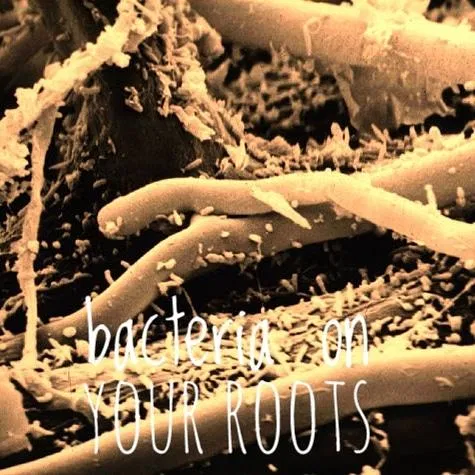
Why are we so obsessed with microbes? Because they are the ultimate chemists. When you use living soil, the microbes break down organic matter and minerals, converting them into a form the plant can actually "eat."
One of the most critical relationships is between plant roots and mycorrhizal fungi. The plant gives the fungi sugar, and in exchange, the fungi act as an extended root system, bringing in phosphorus and water from feet away. This is the "Rhizo Logic" we talk about: the logic of the rhizosphere (the area around the roots).
How to Get Started at Home: A Step-by-Step Guide
You don't need a 500-acre farm to be a regenerative farmer. You can do this in a raised bed or even a 5-gallon pot.
Step 1: Assessment
Before you add anything, you need to know what you’re working with. We recommend an Initial Soil Health (ISH) Assessment to understand your soil's current biological and chemical state.
Step 2: The Foundation
Start with a high-quality organic base. Mix in compost, aerated worm castings, and aeration components like perlite or rice hulls. This creates the "house" for your microbes.
Step 3: Inoculate with Rhizo Logic®
Since we are building a "Living Soil" system, we need to introduce the right residents. Rhizo Logic® is our proprietary line designed specifically to establish these critical microbial populations.
- Note: For those looking to boost their existing systems, we often suggest Bio-Boost (a Terrabiotics product) to provide the fuel necessary for these microbes to thrive.

Step 4: Mulch and Cover
Once your seeds or transplants are in, cover that soil! Use a thick layer of organic mulch. This regulates temperature and provides a slow-release food source for your protozoa and fungi. To learn more about these tiny workers, check out our post on soil protozoa.
Troubleshooting Your Living Soil
As a beginner, you might run into a few hiccups. Here’s how we handle common issues using regenerative principles:
- Pests (like Fungus Gnats): In a balanced ecosystem, predators usually keep pests in check. If you have an outbreak, check out our guide on fungus gnats.
- Yellowing Leaves: Don't panic and dump nitrogen. It might be a pH issue or a lack of microbial activity. Check your fungal-to-bacterial ratios first.
- Slow Growth: This often happens during the "transition phase" while the biology is waking up. Be patient. Once the nutrient cycle kicks in, the plants will take off.
Why This Matters
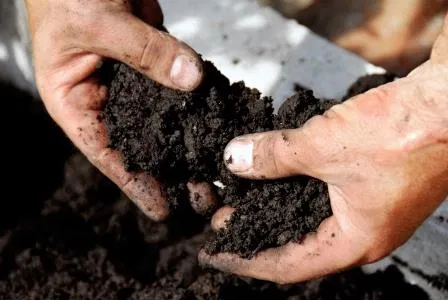
Regenerative agriculture is more than just a hobby: it's a solution. By building living soil, you are:
- Sequestering Carbon: Healthy soil pulls CO2 out of the atmosphere and stores it in the ground.
- Saving Water: Living soil can hold significantly more water than "dead" dirt, reducing your water bill and making your plants drought-resistant.
- Growing More Nutritious Food: Studies show that plants grown in biologically active soil have higher mineral and antioxidant content.
Frequently Asked Questions (FAQ)
Q: Is regenerative agriculture the same as organic? A: Not exactly. Organic focuses on what you don't use (no synthetics). Regenerative focuses on what you do (building soil health). You can be organic but still destroy soil by tilling excessively. Regenerative goes a step further.
Q: Do I need expensive equipment? A: Nope. While we use high-tech tools like the Regen Soil Pulse for commercial monitoring, at home, all you really need are your hands, some compost, and the right microbial inoculants.
Q: How long does it take to see results? A: You’ll see a difference in soil structure within one season. However, true soil restoration is a journey. Every year your soil will become more resilient and productive.
Q: Can I use this for cannabis? A: Absolutely. In fact, some of our most successful home growers use these exact principles to produce high-terpene, clean flower without any synthetic inputs.
Join the Regeneration
We are on a mission to heal the planet, one backyard at a time. Whether you're just starting out or looking to scale up your garden, we’re here to help you navigate the transition to living soil.
Have questions about your soil? Leave a comment below or meet Jeremy to learn more about our philosophy. Let's stop treating our soil like dirt and start treating it like the living ecosystem it is.
Ready to dive deeper? Check out our other blog posts for more technical guides on everything from grey mold to brewing liquid gold!


