7 Mistakes You're Making with Living Soil (and How to Fix Them)
By Jeremy Standring
At Regen Soil, we don't just see dirt; we see a bustling metropolis of microscopic life. Moving from conventional synthetic growing to a living soil system is one of the most rewarding shifts a cultivator can make. It’s the difference between feeding a plant a liquid diet and giving it the keys to a buffet. However, that transition often comes with a steep learning curve.
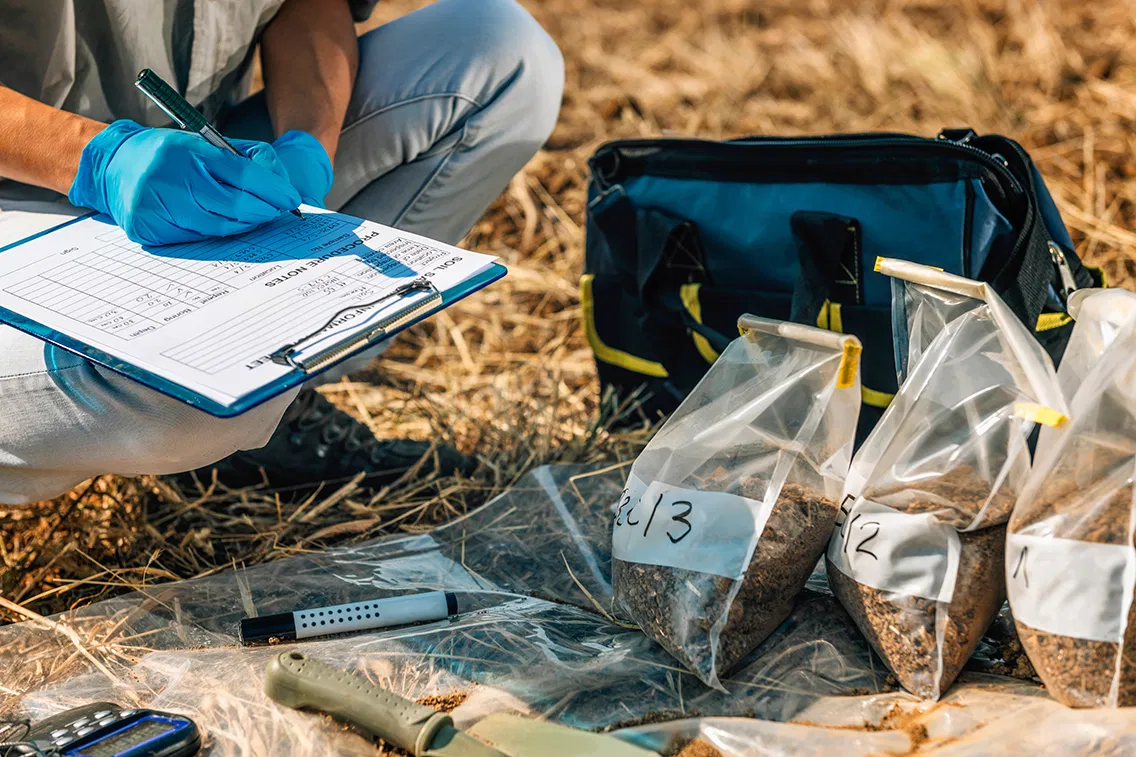
We’ve worked with countless growers through our RSI Method and Initial Soil Health Assessments, and we’ve noticed a pattern. Most "failures" in regenerative agriculture aren't due to bad luck; they’re due to applying old-school, sterile-growing habits to a biological system.
Here are the seven most common mistakes we see people making with living soil, specifically within the Rhizo Logic® framework, and exactly how you can fix them to ensure your garden thrives.
1. Treating Living Soil Like an Inert Medium
One of the biggest hurdles for growers coming from coco coir or rockwool is the "input-output" mindset. In hydroponics, the medium is just a placeholder; the grower provides 100% of the nutrition via bottles.
The Mistake: Over-feeding with high-dose liquid nutrients because you’re worried the plants aren't "getting enough."
The Why: Living soil (Rhizo Logic®) is a self-sustaining ecosystem. The microbes are the "chefs" that break down organic matter into plant-available nutrients. When you dump heavy synthetic or even high-dose organic liquids into the pot, you bypass the biology. This makes the microbes "lazy" and can eventually lead to salt buildup that kills the very fungal networks you’re trying to build.
The Fix: Focus on feeding the soil, not the plant. Use slow-release amendments and top-dressings. If you need a biological kickstart, we recommend using Bio-boost, a Terrabiotics product designed to stimulate the existing microbiome without overwhelming the system.

2. Letting the Soil Dry Out Completely
In traditional gardening, we’re often told to "let the pot dry out" to prevent root rot. While overwatering is a real issue, the "bone-dry" method is a death sentence for a living system.
The Mistake: Waiting until the soil pulls away from the sides of the pot before watering again.
The Why: Microorganisms, the bacteria, fungi, and protozoa that drive nutrient cycling, require a thin film of water to move, eat, and breathe. When the soil dries out completely, these microbial populations go dormant or die off. You effectively "reset" your biological progress every time the soil hits 0% moisture.
The Fix: Maintain consistent moisture. We aim for a "damp sponge" consistency. If you want to get technical, aim for about 20–30% volumetric water content. Monitoring your levels with a device like the Regen Soil Pulse can take the guesswork out of this.
3. Excessive Soil Disturbance (Tilling)
We’ve been conditioned to think that "fluffy" soil is good soil, leading many to till or vigorously mix their beds between cycles.
The Mistake: Digging up the soil or turning it over frequently.
The Why: Regenerative agriculture relies heavily on mycorrhizal fungi. These fungi create vast, intricate webs (hyphae) that act as an extended root system for your plants. Tilling is essentially an earthquake that shatters this infrastructure. It also exposes buried organic matter to rapid oxidation, leading to a loss of carbon and beneficial life.
The Fix: Adopt a "No-Till" or "Low-Till" approach. Leave the root balls of previous harvests in the soil to decompose, they become "highways" for new roots. If you need to add nutrients, simply top-dress and let the worms and microbes pull the nutrition down for you.
4. Using "Cidal" Products
When a pest or pathogen appears, the instinct is to reach for a bottle that kills it.
The Mistake: Using broad-spectrum fungicides or synthetic pesticides in a living system.
The Why: Most pesticides don’t discriminate. If you use a heavy fungicide to treat a small patch of mold, you are likely nuking the beneficial fungi that protect your plant's roots. This creates a "biological vacuum" where the bad guys usually return faster than the good guys.
The Fix: Use Integrated Pest Management (IPM) and biological controls. Focus on increasing the plant's natural systemic acquired resistance (SAR). Using Rhizo Logic® products helps build a robust root microbiome that can often out-compete pathogens naturally. Check out our guide on tackling fungus gnats for a biological approach.
5. Neglecting the "Soil Armor" (Mulch)
In nature, you rarely see bare soil. It’s almost always covered by leaf litter, dying plants, or living ground cover.
The Mistake: Leaving the top layer of your living soil exposed to the air and light.
The Why: Bare soil is vulnerable. The top inch of soil is where the most intense microbial activity happens. When exposed to light and air, this layer dries out rapidly, and UV rays can actually sterilize the surface microbes.
The Fix: Use a thick layer of mulch (straw, wood chips, or rice hulls) or, better yet, living cover crops. This "armor" regulates temperature, retains moisture, and provides a constant source of food for the soil food web.
6. Ignoring the Fungal-to-Bacterial (F:B) Ratio
Not all living soil is created equal. Different plants prefer different biological balances.
The Mistake: Assuming a "one size fits all" approach to soil biology.
The Why: Most annual garden vegetables and certain stages of plant growth prefer a bacteria-dominant soil. However, many perennial plants and later-stage flowering plants thrive in a fungal-dominant environment. If your F:B ratio is out of whack, your plants may struggle to uptake specific nutrients, regardless of how many amendments you add.
The Fix: Learn to balance your biology. You can encourage fungi by adding woody materials (carbon) and using humic acids. You can encourage bacteria with simple sugars and nitrogen-rich green waste. For a deep dive, read our post on understanding fungal/bacterial ratios.
7. Failing to "Recharge" After a Harvest
Many growers think that because it's "living soil," it lasts forever without any maintenance.
The Mistake: Replanting in the same soil without re-inoculating or re-amending.
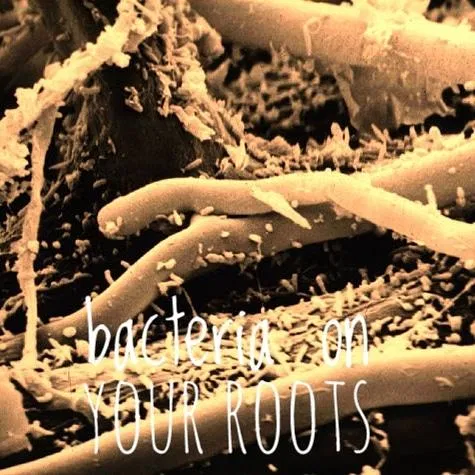
The Why: While the soil is alive, the plants are still "mining" minerals and nutrients to build their stems, leaves, and flowers. Over a full cycle, certain elements and microbial populations can become depleted. If you don't replace what was taken, your second and third "runs" will show diminishing returns.
The Fix: After every harvest, we recommend a "recharge" phase. This involves top-dressing with high-quality compost or worm castings and re-inoculating with beneficial microbes to ensure the soil restoration process continues. This is the core of our 5 Gallon Living Soil philosophy, keep the cycle moving.
Comparative Analysis: Living Soil vs. Conventional Growing
| Feature | Conventional (Synthetic) | Living Soil (Rhizo Logic®) |
|---|---|---|
| Nutrient Source | Water-soluble salts | Microbial breakdown of organic matter |
| pH Management | Precise manual adjustment required | Biologically buffered (microbes manage pH) |
| Watering | Drain to waste (high runoff) | Maintain constant moisture (low/no runoff) |
| Flavor/Aroma | Can be "chemical" if not flushed | Enhanced terpene profiles due to complex uptake |
| Sustainability | High waste, high environmental impact | Regenerative, carbon-sequestering |
Guidance for Different Growers
For Beginners
Start simple. Don't over-complicate your tea recipes or add twenty different supplements. Focus on two things: Moisture and Mulch. If you keep the soil damp and covered, the biology will do 80% of the work for you.
For Commercial Operations
Consistency is king. When scaling living soil, the margin for error increases. We recommend regular Soil Health Assessments to monitor microbial diversity and nutrient levels. Moving to a Rhizo Logic® system at scale can significantly reduce your input costs over time, but it requires a shift in how your team manages daily irrigation and floor tasks.
FAQ: Common Living Soil Misconceptions
Q: Does living soil smell bad?
A: No! Healthy living soil should smell like a fresh forest floor: earthy and sweet. If it smells like rotten eggs or ammonia, it has gone anaerobic (lack of oxygen). This usually happens from overwatering or compaction.
Q: Can I use tap water?
A: If your tap water is high in chlorine or chloramine, it can harm the microbiome. We suggest using a simple charcoal filter or letting the water sit out for 24 hours to off-gas chlorine before watering.
Q: Do I still need to check pH?
A: In a robust living system, the microbes create a "buffer." As long as your source water isn't extreme (stay between 6.0 and 7.0), the soil life will generally regulate the pH at the root zone for you.
Final Thoughts
Transitioning to a regenerative agriculture model is a journey, not a destination. You will make mistakes, and that’s okay: every "failure" is just more organic matter for the next cycle. By avoiding these seven common pitfalls, you’re well on your way to creating a self-sustaining ecosystem that produces higher-quality yields with less effort over time.
Do you have a living soil "horror story" or a success you’re proud of? Drop a comment below! We love hearing about your gardens, and if you’re feeling stuck, feel free to reach out for a personalized consultation.
Let's grow together.