
7 Mistakes You’re Making with Soil Restoration (and How to Fix Them)
By Jeremy Standring
At Regen Soil, we’ve seen it all, from backyard garden beds that look like moon dust to commercial operations struggling with yields despite pouring thousands into "miracle" bottled nutrients. Soil restoration is the cornerstone of regenerative agriculture, but it is often misunderstood as a simple additive process.
Restoring soil isn't about just dumping compost on a problem; it’s about systems-thinking. It’s about understanding that the soil is a complex, living biological engine. When we try to "fix" it using the same linear, chemical-heavy logic that broke it in the first place, we fail.
In this guide, we’re breaking down the seven most common mistakes we see in soil restoration and how you can pivot your strategy toward a truly living soil ecosystem.
1. Skipping the Initial Soil Health Assessment (ISH)
The biggest mistake we see is "flying blind." Many growers start their restoration journey by guessing what the soil needs based on the color of the leaves or a generic recommendation from a forum.
The Mistake: Treating soil without a baseline understanding of its biological, chemical, and physical state. This often leads to over-applying nutrients that are already present but "locked up" by poor biology.
The Fix: You need data. Our Initial Soil Health (ISH) Assessment is designed to look beyond basic N-P-K. We analyze the soil food web, the fungi, bacteria, and protozoa that actually drive nutrient cycling. Before you add a single amendment, you must know what is actually missing versus what is simply dormant.

2. Relying on "Super Soils" vs. Living Soil Systems
There is a massive misconception in the industry regarding Living Soil vs. Super Soil.
The Mistake: Using "Super Soils" that are heavily amended with high concentrations of organic fertilizers. While these can produce a good first run, they are often "hot" and rely on the depletion of those initial amendments rather than a self-sustaining cycle.
The Fix: Transition to a Rhizo Logic® approach. Rhizo Logic represents our philosophy of Living Soil, an ecosystem where the microbes do the work of feeding the plant. Instead of a one-time charge of nutrients, we build a biological community that regenerates itself. This is the difference between a battery (Super Soil) and a solar panel (Living Soil).
3. The "Chemical Crutch": Ignoring Bio-boost Alternatives
Even when people try to go organic, they often treat organic fertilizers like chemical salts, applying them in heavy doses that can actually suppress microbial activity.
The Mistake: Attempting restoration while still using high-salt synthetic fertilizers or failing to support the biology you're trying to reintroduce.
The Fix: Use Bio-boost, a key component of our Terrabiotics line. Bio-boost is designed to stimulate the existing microbial life, providing the essential catalysts needed to kickstart the nutrient cycling process. While Rhizo Logic® focuses on the foundation of the soil itself, Bio-boost acts as the high-octane fuel for the microbes living within that soil.
4. Excessive Soil Disturbance (The Tilling Trap)
We get it, you want to mix in those new amendments. But every time you turn the soil, you are essentially committing an act of "biological urban renewal" on a microscopic scale.
The Mistake: Frequent tilling or aggressive mixing of the soil profile. This shatters the delicate fungal hyphae (the "internet" of the soil) and collapses the pore spaces that allow for air and water movement.
The Fix: Adopt "No-Till" or "Low-Till" practices. When you use a high-quality medium like our 5 Gallon Living Soil, the goal is to keep that structure intact. Top-dressing with organic matter and allowing the biology to pull those nutrients down is far more effective for long-term soil restoration than mechanical mixing.
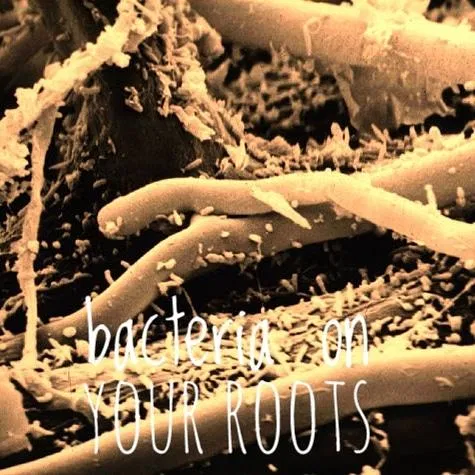
5. Mismanaging the Rhizosphere and Root Interaction
Many growers focus on the soil in general but forget about the most important real estate in the garden: the rhizosphere (the area immediately surrounding the roots).
The Mistake: Failing to inoculate the root zone or provide the specific conditions required for Rhizo Logic® products to thrive. If the roots aren't communicating with the microbes, your restoration efforts will stall.
The Fix: Focus on the "Plant-Microbe Bridge." This involves using specific inoculants during transplanting and ensuring that the soil moisture levels are consistent enough to keep the microbial populations active. We recommend a "systems-thinking" approach where you view the plant and the soil as a single, symbiotic organism.
6. Overlooking Hydrology and Moisture Management
You can have the best biology in the world, but if your soil is either a swamp or a desert, those microbes will die or go dormant.
The Mistake: Inconsistent watering or poor drainage that leads to anaerobic conditions. Anaerobic (oxygen-starved) soil encourages pathogens and kills the beneficial aerobic fungi we need for regenerative agriculture.
The Fix: Use data to monitor your medium. Tools that track moisture and EC (electrical conductivity) in real-time allow you to maintain the "Goldilocks zone" for microbial life.

7. The "This Flower, This Leaf" Myth
In the cannabis and specialty crop world, there’s a persistent myth that specific leaf discolorations always mean a specific nutrient deficiency (e.g., "purple stems mean you need Phosphorus").
The Mistake: Chasing individual nutrient deficiencies with "bottled fixes" instead of addressing the root cause: soil health. Often, these "deficiencies" are actually symptoms of pH swings or microbial imbalances.
The Fix: Trust the system. When you balance the fungal-to-bacterial ratios and ensure the Rhizo Logic® ecosystem is thriving, the microbes will regulate nutrient uptake for you. We’ve debunked the "this leaf, this flower" myth in detail here, emphasizing that a holistic environment is the only real cure for plant stress.
Case Study: From Dust to Diversity
We recently worked with a mid-sized organic farm that had seen a 30% drop in yield over three years. They were using high-quality organic compost, but their soil was compacted and biologically stagnant.
The Intervention:
- Assessment: An ISH Assessment revealed near-zero fungal activity and high salt accumulation from "organic" amendments.
- Biological Inoculation: We moved them to a Rhizo Logic® management plan.
- Stimulation: We implemented a Bio-boost (Terrabiotics) regimen to wake up the dormant indigenous microbes.
The Result: Within one season, the soil structure improved significantly (better water retention), and the following harvest saw a 40% increase in terpene production and a full recovery of yield. This wasn't magic, it was simply restoring the natural biological cycles.

A Summary for Different Growers
For Beginners
- Keep it simple: Start with a high-quality Living Soil.
- Don't over-water: Microbes need oxygen just as much as water.
For Experienced Growers
- Focus on Fungi: Most indoor soils are bacterially dominant. Use amendments that support fungal networks.
- Stop chasing pH: In a true living soil system, the microbes buffer the pH at the root surface.
For Commercial Operations
- Scale with Science: Don't guess. Use Initial Soil Health Assessments to drive your ROI.
- Standardize Biology: Use Rhizo Logic® products to ensure consistency across thousands of square feet.
Frequently Asked Questions (FAQ)
Q: Can I use Bio-boost with any soil?
A: Yes. While Bio-boost (part of our Terrabiotics line) works best in a living soil environment, it is designed to stimulate microbial activity in any medium that isn't completely sterilized by heavy chemicals.
Q: Is Rhizo Logic® a fertilizer?
A: No. Rhizo Logic® is our brand for Living Soil products. It is a biological system. It provides the environment and the organisms that make nutrients available to your plants.
Q: How long does soil restoration take?
A: You will see biological changes within weeks, but true soil restoration and structural aggregate building usually take 1–3 full growing cycles to reach peak performance.
Q: Why is tilling so bad if I’m adding good stuff?
A: Tilling is like a tornado hitting a city. You might be dropping off supplies (amendments), but you've destroyed the roads (fungal hyphae) and the houses (soil aggregates) needed to use those supplies.
Join the Regeneration
Soil restoration is a journey, not a destination. Whether you’re dealing with a single 5-gallon pot or a multi-acre farm, the principles of regenerative agriculture remain the same: feed the soil, and the soil will feed the plants.
Ready to stop guessing and start growing? Contact us at Regen Soil to book your ISH Assessment or explore our Rhizo Logic® and Bio-boost solutions today. Let's build some living soil together.


