
Living Soil Secrets Revealed: What Your Soil Archives Are Trying to Tell You
By Jeremy Standring
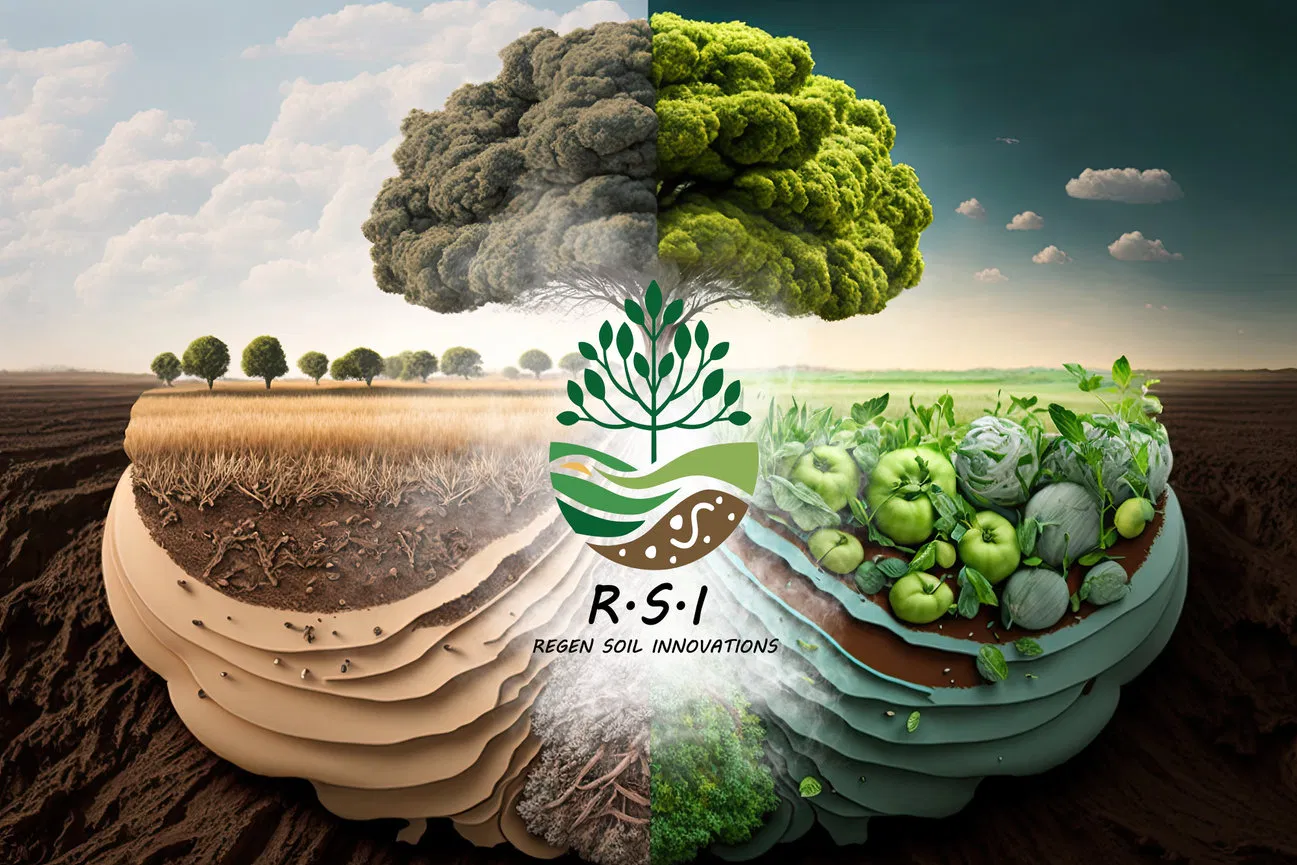
If you’ve ever looked at a patch of ground and thought, “Yep, that’s dirt,” we need to have a little chat. In the world of regenerative agriculture, there is a massive distinction between "dirt" and "living soil." Dirt is what you sweep off your kitchen floor; it’s inert, dead, and honestly, a bit of a nuisance. Living soil, however, is a biological masterpiece. It is a vast, complex archive of ecological history, teeming with trillions of organisms that are constantly communicating, trading, and building.
At Regen Soil, we don’t just see brown stuff in a pot. We see a data-rich environment. Your soil holds the "archives" of every management decision you’ve made: every chemical spray, every tilling session, and every organic amendment. If your plants are struggling, it’s because the archives are screaming for a librarian.
In this deep dive, we’re going to reveal the secrets hidden in your soil’s biological record and explain why moving toward regenerative organic living systems is the only way to stop growing "crunchy water" and start growing real food.
The Soil Archive: More Than Just NPK
For decades, conventional gardening and farming have treated soil like a bank account where you only deposit three things: Nitrogen, Phosphorus, and Potassium (NPK). This is a remarkably shallow way to view an ecosystem. When we talk about "soil archives," we are referring to the Initial Soil Health Assessment: the process of reading the biological and structural data of your land.
What Your Soil Is Trying to Tell You
- The Compaction Log: If your soil is hard as a brick, the archive tells a story of lost pore space. Without those tiny air pockets, your "underground economy" of microbes is essentially suffocating.
- The Microbial Ledger: A lack of fungal diversity indicates that the "long-distance" nutrient transport system is offline.
- The Carbon Record: Low organic matter is the soil’s way of saying it has no savings account for dry days.
By understanding these records, we can move from guessing to soil restoration. This is where our ISH Assessment comes into play. We stop looking at the surface and start looking at the microscopic architects running the show.
The Secret Service: Meet the Microbes
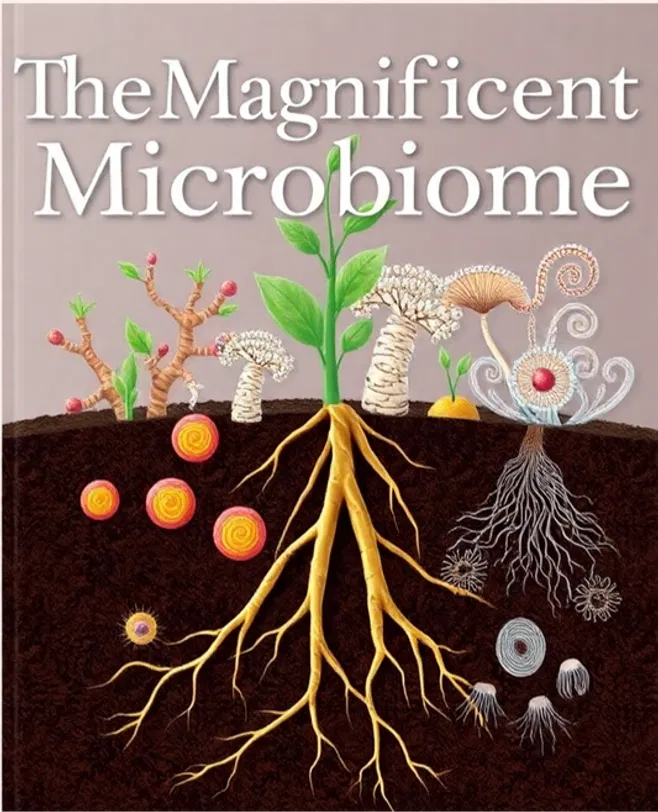
Your soil’s archives are maintained by a microscopic workforce known as the soil food web. These aren't just random bugs; they are a highly specialized delivery service.
1. Bacteria: The Chemical Engineers
Bacteria are the first responders. They break down simple sugars and hold onto nutrients like nitrogen in their tiny bodies so they don't wash away in the rain.
2. Fungi: The Living Highways
Mycorrhizal fungi are the internet of the soil. They attach to plant roots and extend for miles, bringing back water and phosphorus from places the roots could never reach. This is the heart of Rhizo Logic®: harnessing these natural biological pathways to maximize plant health.
3. Protozoa and Nematodes: The Nutrient Liberators
These guys are the "predators." They eat the bacteria and fungi, and because they don't need as much nitrogen as they consume, they poop out the excess right next to the plant roots. It’s a localized, organic, perfectly timed fertilizer delivery.
Why Living Roots are the Real Power Brokers
If the microbes are the workers, the plant is the CEO. Through a process called rhizodeposition, plants pump out 10% to 40% of the sugars they create during photosynthesis directly into the soil.
Why would a plant "waste" 40% of its energy? Because it’s paying the microbes. It’s an exchange: "I give you liquid carbon (sugar), and you give me minerals and protection from pathogens." When you have a living soil system, this trade is booming. When you use heavy synthetic fertilizers, you basically tell the plant it doesn't need to pay the workers, and the workers go on strike (or die). Eventually, the soil structure collapses, and you’re stuck on a "chemical life support" system.
The Rhizo Logic® Difference: Restoring the Balance
At Regen Soil, we developed Rhizo Logic® to bridge the gap between dead dirt and thriving ecosystems. This isn't just about adding "stuff" to the soil; it's about re-introducing the biological diversity that has been stripped away by modern practices.
For those growing at home, our 5gal Living Soil is a literal "archive in a bag." It contains the diverse microbial populations necessary to jumpstart nutrient cycling from day one. Unlike "potting mix," which is often just peat and perlite, living soil is an active, breathing community.
Beginners vs. Experienced Growers
- For Beginners: The biggest secret is leave it alone. Stop digging. Every time you turn the soil, you’re tearing apart the fungal highways we talked about. Use our Living Soil Patio Kit to get a head start without the guesswork.
- For Experienced Growers: It’s time to get surgical. Use tools like the Regen Soil Pulse to monitor your metrics in real-time. We’re talking about moving beyond "is it wet?" to "what is the electrical conductivity (EC) and how is that affecting microbial metabolism?"

Comparative Analysis: Biology vs. Chemistry
| Feature | Synthetic Chemistry (NPK) | Regenerative Biology (Living Soil) |
|---|---|---|
| Nutrient Source | Salt-based lab chemicals | Organic matter & microbial cycling |
| Plant Health | Rapid growth, weak cell walls | Balanced growth, high terpene/nutrient density |
| Water Retention | Low (requires constant watering) | High (organic matter acts like a sponge) |
| Sustainability | Depletes soil over time | Builds soil and sequesters carbon |
| Cost | High recurring input costs | Low long-term costs as system self-regulates |
The "Crunchy Water" Problem
We’ve mentioned this before, but it bears repeating: your supermarket salad is basically just crunchy water. When plants are grown in sterile, chemical-heavy environments, they lack the secondary metabolites: the complex compounds that provide flavor, aroma, and medicinal value. These compounds are only produced when plants interact with a diverse microbial community. If you want food that actually nourishes you, you have to start with the soil archives.
How to Start Your Soil Restoration Journey
You don't need a PhD to start, but you do need a plan. Here is the RSI Method for success:
- Assess: Know what’s in your archives. Use an Initial Soil Health Assessment.
- Inoculate: Introduce the "good guys" using Rhizo Logic® products.
- Feed: Keep living roots in the ground as much as possible. Use cover crops or diverse plantings.
- Monitor: Use technology to ensure your moisture and nutrient levels stay in the "Goldilocks zone."
For those looking for a boost in their overall soil vitality, particularly in larger or more established systems, products like Bio-boost (a Terrabiotics favorite) can help stimulate the existing biology to work harder for you.

Frequently Asked Questions (FAQ)
Q: Can I turn my existing backyard dirt into living soil?
A: Absolutely. It takes time, but by adding high-quality compost, avoiding tilling, and using microbial inoculants like those found in our Rhizo Logic® line, you can rebuild the archives in just a few seasons.
Q: Is living soil more expensive?
A: Initially, there is an investment in biology. However, over time, your costs drop significantly because the soil begins to fertilize itself through nutrient cycling. You stop buying "band-aids" and start building an "immune system."
Q: Do I still need to use Bio-boost if I have living soil?
A: While living soil is designed to be self-sustaining, Bio-boost acts as a catalyst. Think of living soil as the engine and Bio-boost as the high-octane fuel that helps the engine run more efficiently during peak growing periods.
Final Thoughts: Listen to the Land
The secrets of the soil aren't really secrets: they are just written in a language we’ve forgotten how to read. By focusing on soil restoration and embracing the complexity of regenerative organic living systems, we can grow plants that are more resilient, more nutritious, and ultimately, better for the planet.
Are you ready to see what your soil is trying to tell you? Contact us today for a consultation, or check out our blog for more tips on mastering the underground economy.
Let’s grow something real.


