
Living Soil Secrets Revealed: What Our Top Success Stories Teach Us About Rhizo Logic®
By Jeremy Standring
At Regen Soil, we don't just sell "dirt." In fact, if you hear us using that word, it’s probably to describe what’s missing from a healthy garden. We specialize in Living Soil, a biological engine that powers plant growth through complex relationships between roots and microorganisms. Over the years, our proprietary Rhizo Logic® system has transformed struggling gardens into thriving ecosystems.
But why does it work so well? To understand the "why," we have to look at the success stories from our community. From patio hobbyists to commercial-scale restoration projects, the data tells a consistent story: when you stop feeding the plant and start feeding the soil, nature takes care of the rest.
The Rhizo Logic® Philosophy: A Systems-Thinking Approach
Most conventional gardening relies on a "linear" model: you add synthetic NPK (Nitrogen, Phosphorus, Potassium), the plant grows, and the excess chemicals leach into the groundwater. We find this approach inefficient and, frankly, destructive to long-term soil health.
Rhizo Logic® is built on a "systems-thinking" lens. We look at the soil as a living, breathing community. Instead of a chemical delivery system, our living soil is an underground economy where nutrient cycling is the currency.
What is the Rhizosphere?
The rhizosphere is the narrow zone of soil surrounding a plant root. It is the most biologically active place on Earth. In this zone, plants release "exudates", essentially sugars and proteins, to attract specific bacteria and fungi. In exchange for these snacks, the microbes "mine" minerals from the soil and deliver them directly to the root.
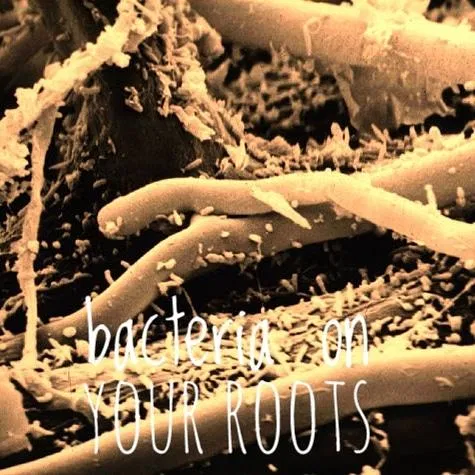
When we designed Rhizo Logic®, we engineered it with a precise balance of beneficial mycorrhizae and trichoderma. We’ve found that maintaining a balanced microbial biomass, roughly 135 μg/g of both bacterial and fungal life, creates the perfect environment for this exchange to happen naturally.
Success Story #1: The "Crunchy Water" Turnaround
One of our favorite success stories comes from a grower who was tired of what we call the "Empty Plate Problem." They were growing beautiful-looking lettuce on their patio, but it tasted like nothing. As we often say, if your supermarket salad tastes like "crunchy water," it’s because the soil it grew in was biologically dead.
By switching to our 5-Gallon Living Soil kit, this grower re-established the soil food web. Within one season, the nutrient density of their produce spiked.
The Secret Revealed: The flavor and aroma of a plant (its terpenes and flavonoids) are direct byproducts of microbial interaction. When Rhizo Logic® microbes break down organic matter, they provide the plant with a full spectrum of trace minerals that synthetic fertilizers simply cannot replicate.
Success Story #2: The 10-Week Clone-to-Harvest Sprint
Commercial growers often worry that regenerative agriculture is too slow for high-stakes production. We proved them wrong with our Rhizo Logic® All-in-One system.
We worked with a facility that needed a predictable 10-week cycle. By utilizing the RSI Method, they were able to achieve:
- Consistent Vegetative Growth: No "nutrient burn" from over-fertilizing.
- Stable Flowering: The soil biology regulated phosphorus delivery based on the plant's actual demand.
- Zero Waste: Since the soil is "living," it can be recharged and reused, rather than tossed after one harvest.

Technical Deep Dive: The Living Soil Ecosystem
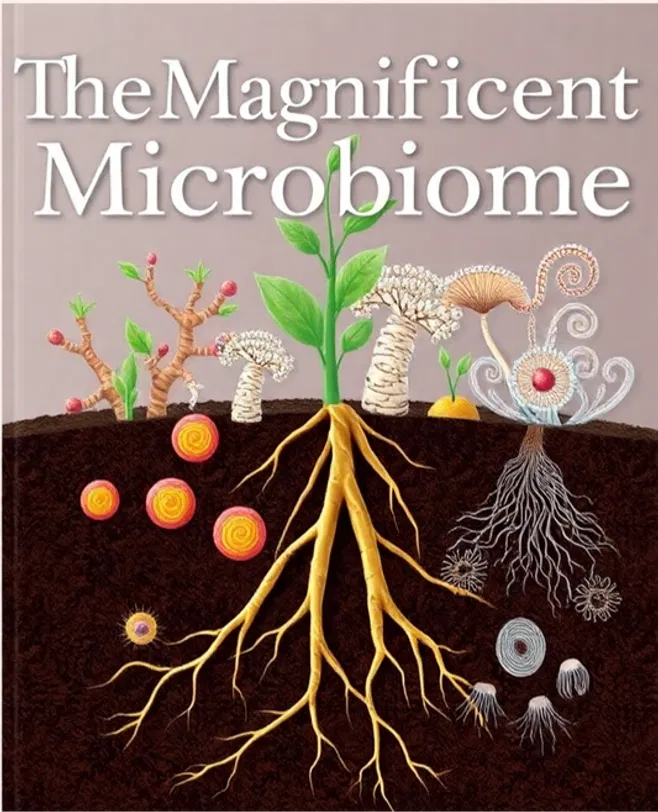
To truly master Living Soil, you have to understand the players involved. It’s not just "bugs in a bag." It is a calculated biological hierarchy.
- Bacteria: The "primary decomposers." They consume simple carbon compounds and hold nutrients in their tiny bodies, preventing them from leaching away.
- Fungi: The "architects." Mycorrhizal fungi extend the reach of plant roots by hundreds of times, accessing water and phosphorus that the plant couldn't reach on its own.
- Protozoa: The "regulators." These larger organisms eat the bacteria and release the stored nitrogen in a form the plant can immediately use. This is the heart of nutrient cycling.
We recommend our Initial Soil Health (ISH) Assessment for anyone looking to understand their current biological baseline. You can't manage what you don't measure.
Enhancing the System with Terrabiotics
While Rhizo Logic® provides the foundational habitat, sometimes the system needs a metabolic boost. This is where Bio-boost, a key product in our Terrabiotics line, comes into play.
Think of Rhizo Logic® as the house and Bio-boost as the high-quality food delivered to the inhabitants. Bio-boost (and its concentrated version, Ultra Bio Boost) provides the complex catalysts that supercharge microbial activity. This partnership ensures that your soil restoration efforts don't just start strong but gain momentum over time.
Guidance for Every Type of Grower
For the Beginner
If you’re just starting, don't overthink it. The beauty of Rhizo Logic® is that it is designed to be "plug and play."
- Avoid: Adding heavy synthetic salts. They kill the very microbes you’re trying to cultivate.
- Focus on: Moisture management. Living soil needs to stay damp (but not soaked) to keep the biology alive.
For the Experienced Grower
You likely already know the value of organic amendments. For you, the secret to the next level is microbial diversity. We suggest moving away from "monoculture" microbial additives and focusing on the full-spectrum approach we use in our Bio-boost formulations.
For Commercial Operations
Scalability in regenerative agriculture comes down to data. We recommend using tools like the Regen Soil Pulse to monitor real-time metrics.

Monitoring EC (Electrical Conductivity), temperature, and moisture allows you to fine-tune your environment to support the Rhizo Logic® biology, ensuring your ROI stays high while your environmental impact stays low.
Comparative Analysis: Living Soil vs. Conventional Hydroponics
| Feature | Conventional Hydro/Synthetic | Rhizo Logic® Living Soil |
|---|---|---|
| Nutrient Source | Synthetic Salts (NPK) | Organic Matter & Microbial Cycling |
| pH Management | Frequent adjustment required | Self-regulating via biology |
| Flavor/Aroma | Often muted/standard | Enhanced via trace minerals |
| Sustainability | High runoff/waste | Carbon-sequestering/reusable |
| Effort | High daily monitoring | Low (Nature does the heavy lifting) |
The Road to Soil Restoration
Everything we do at Regen Soil is aimed at one goal: soil restoration. We are currently facing a global crisis of topsoil depletion, but the solutions are right beneath our feet. By adopting Rhizo Logic® principles, you aren't just growing a better tomato or a more potent herb; you are participating in a global movement to put carbon back into the ground and restore the health of our planet.
We invite you to explore our full collection of living soil solutions and join the hundreds of growers who have already seen the difference that biology makes.
Frequently Asked Questions (FAQ)
Q: Does Rhizo Logic® smell bad since it’s "living"? A: Not at all. Healthy living soil should smell like a fresh forest floor, earthy and sweet. A bad smell usually indicates anaerobic conditions (too much water, not enough oxygen), which is something we teach you how to avoid.
Q: Can I use Bio-boost with other soil brands? A: Yes. While Bio-boost is a Terrabiotics product designed to perfectly complement Rhizo Logic®, its microbial catalysts will improve the biological activity of almost any organic soil medium.
Q: How often do I need to "recharge" my living soil? A: It depends on the crop, but generally, we recommend a top-dress of organic nutrients every 3-4 weeks to keep the microbial "pantry" full.
Q: Is this system suitable for indoor growing? A: Absolutely. Many of our top success stories come from indoor controlled-environment agriculture (CEA). Living soil is incredibly stable indoors because you don't have to worry about the pH swings common with liquid nutrients.
Q: Where can I learn more about the science? A: Check out our Ultimate Guide to Living Soil or meet Jeremy to learn about our history and mission.
Ready to start your own success story? If you’re feeling overwhelmed or just want a professional eyes-on-glass look at your garden, reach out to us. We’re here to help you transition from "dirt" to a thriving, living ecosystem. Let’s grow something amazing together.


