
Living Soil Secrets Revealed: What Big-Box Garden Centers Don't Want You to Know About Rhizo Logic®
By Jeremy Standring
You’ve seen it every spring: the towering walls of neon-labeled plastic bottles, the "miracle" powders, and the bags of "moisture control" potting mix that look more like ground-up industrial waste than actual earth. Walk into any big-box garden center, and you’re walking into a business model designed to keep your plants on a chemical IV drip.
They don't want you to have a self-sustaining garden. They want you on the treadmill: buying bottle A to fix the problem caused by bottle B, all while your soil becomes increasingly lifeless.
At Regen Soil, we’re pulling back the curtain. Real gardening isn't about how many minerals you can force-feed a plant; it’s about the biological infrastructure beneath the surface. We call this Rhizo Logic®, and it’s the secret to growing nutrient-dense, resilient plants without the retail-store drama.
1. The Root-Level Truth: Soil Is a Living System, Not Just “Dirt”
The biggest lie in modern retail gardening is that soil is just a substrate: a boring, inert sponge meant to hold up a plant while you pour nutrients into it. In reality, healthy soil is a bustling metropolis.
In a true "living soil," the magic happens in the rhizosphere: the razor-thin zone of soil directly surrounding the plant roots. This isn't just where water gets absorbed; it’s a high-stakes trade floor.
- Microbial "Hiring": Plants actually exude up to 30% of the energy they get from photosynthesis back into the soil as sugars and amino acids. Why? To "hire" microbes.
- Nutrient Trading: Bacteria and fungi consume those root exudates. In exchange, they mine the soil for Nitrogen, Phosphorus, Potassium, and trace minerals, delivering them directly to the root in a form the plant can actually use.
- The Fungal Internet: Mycorrhizal fungi extend the root system by miles (relatively speaking), accessing water and nutrients the plant couldn't dream of reaching on its own.
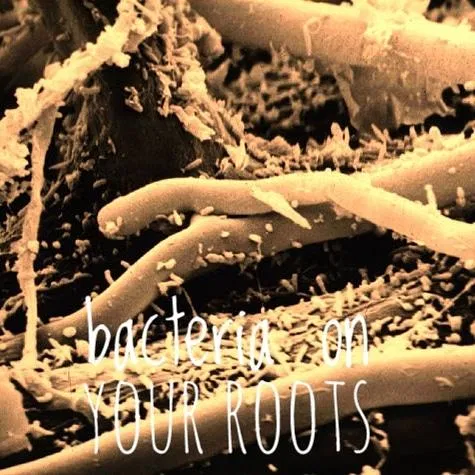
When you use the Rhizo Logic® approach, you stop trying to be the plant's chef and start being the soil's property manager. If the biology is right, the plant manages its own nutrition.
2. Why Big-Box Advice Keeps You on the Treadmill
The retail gardening industry thrives on "deficiency marketing." They sell you a sterile, peat-based potting mix that has zero biological activity. Within three weeks, your plant starts looking yellow because it has no biological partners to help it eat.
The standard big-box cycle looks like this:
- Sterility: Buy a "clean" bag of dirt.
- Soluble Feeding: Add high-NPK synthetic fertilizers. These salts provide a quick green-up but eventually kill off any lingering beneficial microbes.
- Salt Build-up: Over time, the salts from the fertilizers change the soil pH and lock up nutrients.
- The "Fix": Buy a pH adjuster, a "bloom booster," or a "rescue" spray to solve the problems the fertilizer created.
It’s a great way to sell products, but it’s a terrible way to build an ecosystem. A living-soil system, like our Rhizo Logic® Living Soil, shifts the focus from "What should I add this week?" to "How do I support the soil food web so it does the work for me?"
3. The Science of Rhizo Logic®
So, what makes the Rhizo Logic® methodology different? It’s not a brand of fertilizer; it’s a framework for regenerative organic living systems. We focus on four key pillars:
Building Habitat, Not Just Volume
Microbes need a home. We use specific ratios of aeration materials: like pumice and rice hulls: and high-quality organic matter to ensure the soil has the right balance of oxygen and moisture. Without oxygen, your soil becomes anaerobic, which is a fancy way of saying it becomes a breeding ground for pathogens.
Cultivating Controlled Diversity
We don't just want any bacteria; we want the right ones. We focus on establishing strong fungal networks and diverse microbial populations that cycle nutrients efficiently. This is the core of our RSI Method.
Minimal Intervention
In a Rhizo Logic® system, we avoid heavy salts and frequent tilling. Tilling is like a hurricane for soil biology; it shreds the fungal hyphae that have spent months building a network. We prefer a "no-till" or "low-till" approach that lets the soil structure mature over time.
4. Myths Big-Box Culture Sells (and Why They Fail)
Myth 1: “More fertilizer = more growth” In the world of living soil, throwing high-NPK salts at a plant is like feeding a marathon runner nothing but energy drinks. Sure, they’ll sprint for a minute, but they’re going to crash. High-salt fertilizers burn the delicate root hairs and signal to the microbes that they aren't needed, causing the biological community to collapse.
Myth 2: “Soil should be sterile” Retailers love the word "sterile" because it sounds "safe." In reality, sterile soil is a vacuum. And nature hates a vacuum. If you don't populate your soil with "good" microbes, the first "bad" spore that blows in on the wind has no competition and will take over your garden.
Myth 3: “You need a different bottle for every stage of growth” In a regenerative system, the plant decides what it needs. When it wants to flower, it changes the sugars it sends to the roots to "hire" the microbes that specialize in phosphorus and potassium. You don't need a "Bloom Booster" if your Soil Health is dialed in.
5. Transitioning to Living Soil: A 5-Step Action Plan
Whether you’re a hobbyist or running Commercial Operations, the transition from "bottled" to "biological" is easier than you think.
- Start with a Real Base: Move away from the hardware store peat-moss-only bags. Use a base that includes high-quality vermicompost and proper aeration. Our 5gal Living Soil is designed exactly for this.
- Inoculate Early: Use mycorrhizal inoculants directly on the roots during transplanting. This is the "handshake" that starts the symbiotic relationship.
- Protect the Surface: Never leave your soil naked. Use mulch: straw, shredded leaves, or wood chips. Mulch regulates temperature and prevents the sun from "baking" your surface microbes.
- Water for Biology: If your water smells like a swimming pool, it has enough chlorine to kill microbes. Let your water sit out for 24 hours or use a simple carbon filter to dechlorinate it before watering.
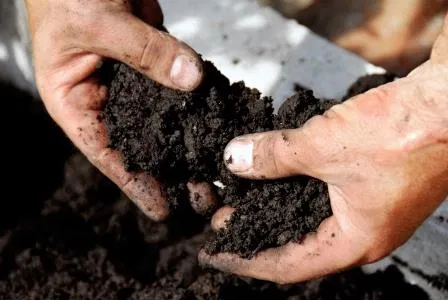
- Observe, Don’t Micromanage: Instead of checking a feeding chart, check your plants. Are the leaves vibrant? Is the soil structure crumbly like chocolate cake? Let the biology lead.
6. Deep Dive: Why "Structure" Beats "NPK" Every Time
We often get asked why we focus so much on soil structure. Here is the technical breakdown: Soil Aggregates. When microbes (especially fungi) are active, they produce "glomalin," a biological glue. This glue sticks soil particles together into tiny clumps called aggregates. These aggregates create "macro-pores" (for air and water movement) and "micro-pores" (where microbes hide from predators).
A soil with great structure can hold 10x more water and oxygen than compacted "dirt." This is why a Rhizo Logic® garden can survive a drought that kills a big-box garden; the soil itself has become a high-efficiency reservoir.
7. Common Pitfalls for New Living-Soil Growers
Even the most well-intentioned growers sometimes mess up by bringing "hydroponic habits" into a living soil environment.
- Over-watering: Living soil needs to breathe. If you keep it perpetually soggy, you drown the aerobic microbes and invite root rot.
- Chasing pH Runoff: In living soil, the microbes buffer the pH at the root interface. If you’re measuring the water coming out of the bottom of the pot and trying to "fix" it with chemicals, you're just stressing out the biology.
- Product Stacking: Just because a product is "organic" doesn't mean you should use ten of them. Adding too many amendments at once can cause a nutrient lockout or an EC (Electrical Conductivity) spike that kills your microbial workforce.
FAQ: Frequently Asked Questions
Q: Does living soil smell bad? A: Not at all. Healthy, aerobic living soil should smell like a fresh forest floor. If it smells like rotten eggs or vinegar, you have an oxygen problem.
Q: Can I use Rhizo Logic® in containers? A: Absolutely. In fact, containers are where living soil shines because it provides a buffer against the rapid temperature and moisture swings that usually plague potted plants. Check out our Living Soil Patio Pro Kit for a perfect entry point.
Q: Do I ever need to add nutrients? A: Eventually, nutrients are exported (when you harvest your tomatoes or flowers). You can "recharge" the soil with top-dressings of high-quality compost or specific organic amendments rather than starting over with new soil.
Final Thoughts from Jeremy
The shift to regenerative agriculture isn't just for large-scale farmers; it starts in your backyard, your patio, and your indoor grow room. The "secret" that big-box stores don't want you to know is that nature already has the blueprint. Our job at Regen Soil is simply to give you the tools and the science to follow it.
If you’re ready to stop being a customer of the chemical industry and start being a steward of your own ecosystem, we’re here to help. Whether you need a full Initial Soil Health Assessment or just a better bag of soil, let’s get growing.
Join the movement. Let's fix the soil together.
Have questions about your specific setup? Drop a comment below or contact us for a personalized consultation.


