Are You Making These Common Living Soil Mistakes? 12 Expert FAQs for Successful Soil Restoration
By Jeremy Standring
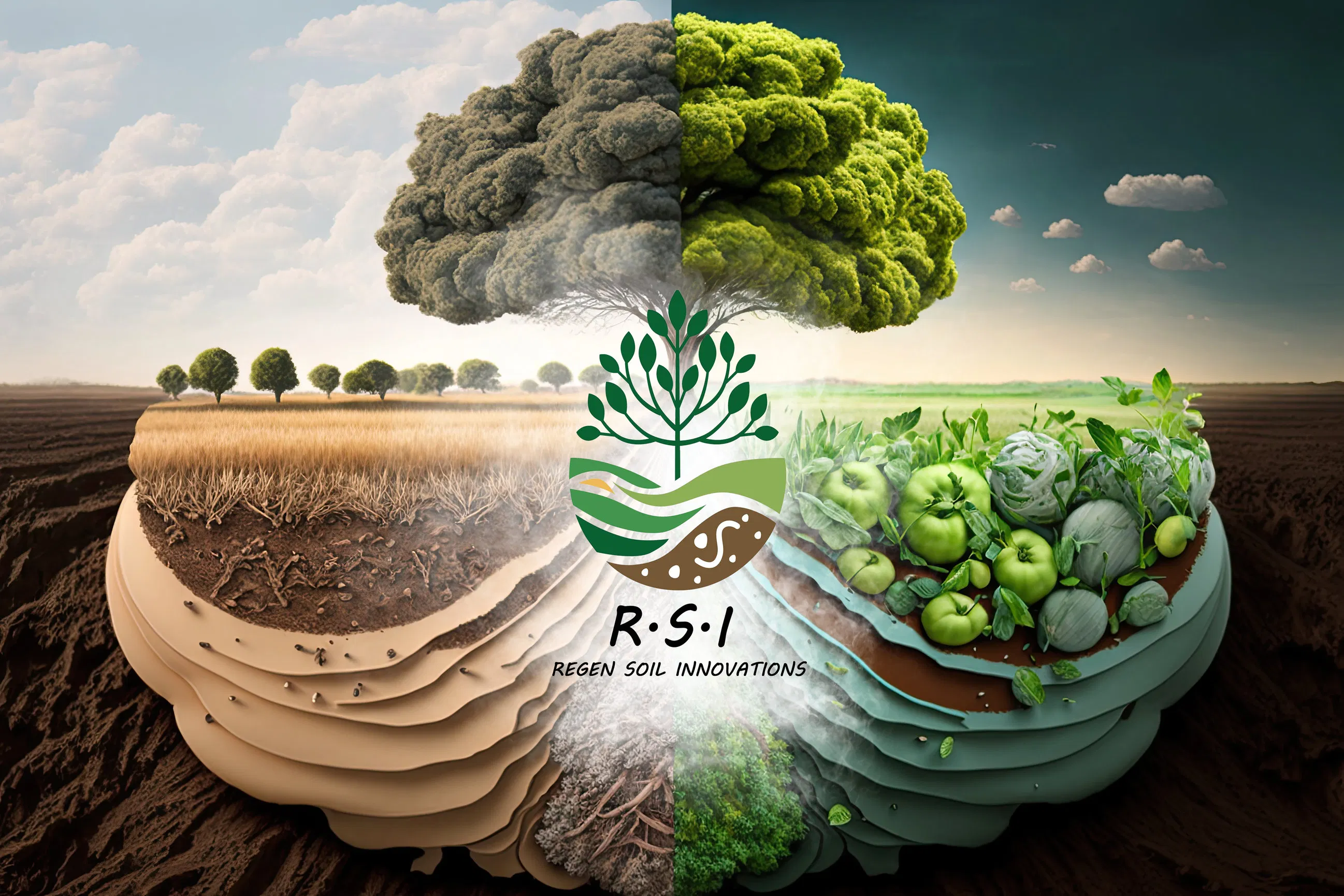
At Regen Soil, we witness a recurring theme among home gardeners and commercial farmers alike: a passionate desire to heal the earth, often met with frustrating setbacks. The transition to regenerative agriculture is not merely a change in products; it is a fundamental shift in mindset, from "feeding the plant" to "fostering the ecosystem."
Topsoil depletion is a global crisis, but the solution lies beneath our feet. Through our RSI Method, we have helped countless land managers navigate the complexities of living soil. However, even the best intentions can lead to common pitfalls. We have compiled this comprehensive guide to address the 12 most frequent questions we receive, ensuring your path to soil restoration is paved with scientific clarity rather than guesswork.
1. Why is my "Living Soil" constantly saturated or bone dry?
The Mistake: Failing to manage the "Goldilocks zone" of soil moisture.
In our experience, growers often treat soil as a sponge rather than a biological lung. When soil is constantly saturated, it becomes anaerobic, killing the very microbial populations you are trying to cultivate. Conversely, allowing soil to dry out completely causes a massive microbial die-off, stalling nutrient cycling.
The Fix: We recommend the "knuckle test." Insert your finger 2–5 cm into the soil; it should feel like a wrung-out sponge, damp but not dripping. For larger operations, we suggest monitoring soil structure to ensure adequate pore space for both water retention and oxygen gas exchange.
2. I added high-quality compost, so why are my plants still struggling?
The Mistake: Over-amending without a baseline analysis.
More is not always better. Adding excessive compost or manure can lead to phosphorus overload and salt accumulation, which can actually inhibit plant growth. We have seen cases where "over-loving" the soil creates a toxic environment for sensitive roots.
The Fix: Never guess, always test. We advise starting with an Initial Soil Health Assessment. This provides a scientific roadmap, showing exactly what your soil lacks and, more importantly, what it already has in excess.
3. Can I use Rhizo Logic® products alongside my regular synthetic fertilizers?
The Mistake: Mixing incompatible biological and chemical inputs.
Rhizo Logic® is our proprietary line designed specifically for Living Soil. These products harness beneficial microorganisms. Harsh synthetic fertilizers with high salt indexes can dehydrate and kill these microbes, effectively neutralizing the benefits of your restoration efforts.
The Fix: We recommend transitioning away from high-salt synthetics. If you must use them, do so sparingly and prioritize products like Rhizo Logic to buffer the biological impact. For those looking for a "bridge" product, our Bio-boost (a Terrabiotics solution) can help enhance plant vitality while you rebuild the native biome.
4. How does the "Soil Food Web" actually work in a garden setting?
The Mistake: Focusing on individual nutrients instead of the "System."
Systems-thinking is at the heart of everything we do. The Soil Food Web is a complex hierarchy where bacteria and fungi are consumed by protozoa and nematodes, releasing plant-available nutrients in the process.
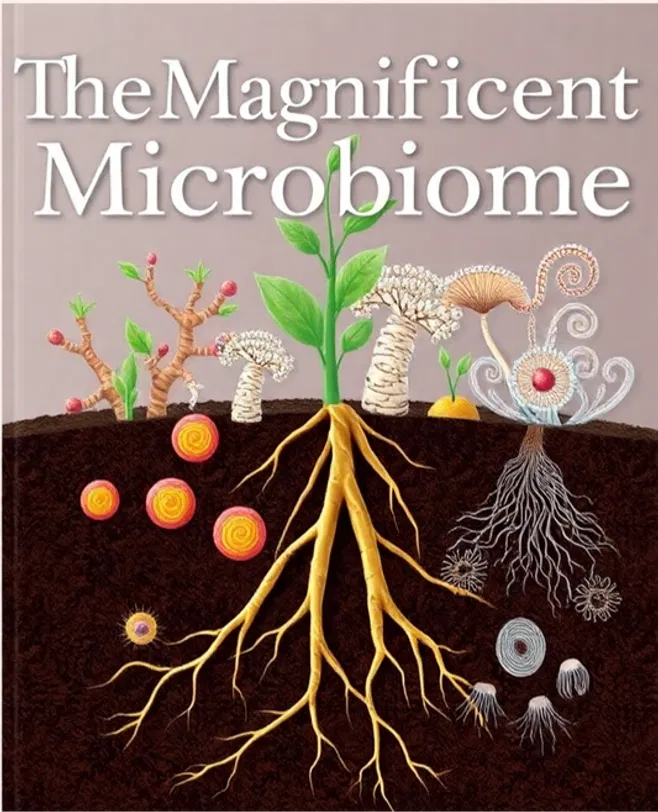
The Deep Dive: When you apply Rhizo Logic®, you aren't just adding "fertilizer"; you are adding the engineers of the ecosystem. These microbes perform nutrient sequestration and create soil aggregates that improve water infiltration.
5. Is tilling really that bad for my soil's health?
The Mistake: Tilling to "loosen" the soil, only to find it harder the next year.
Tilling is the biological equivalent of an earthquake and a fire combined. It shatters fungal networks (mycelium) and burns through carbon sequestration by exposing organic matter to rapid oxidation.
The Fix: We promote no-till or low-till practices. Instead of mechanical tillage, use "biological tillage." Deep-rooting cover crops and a thriving earthworm population will loosen the soil far more effectively and permanently than a machine ever could.
6. Why should I care about "Rhizosphere" activity?
The Mistake: Neglecting the area immediately surrounding the plant roots.
The rhizosphere is the "underground pantry" where plants trade carbon (sugars) for nutrients provided by microbes.
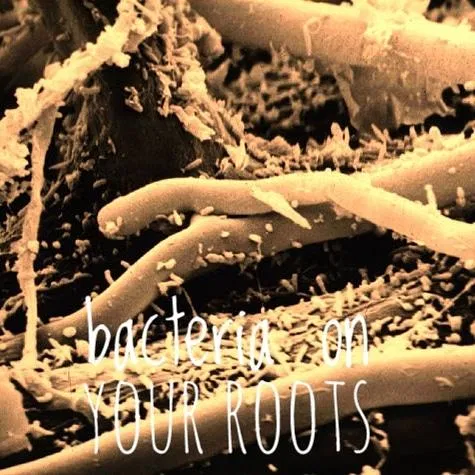
The Science: As seen in the microscopic view above, beneficial bacteria coat the roots. This creates a biological shield against pathogens. Our soil health consulting focuses heavily on optimizing this specific zone to ensure maximum nutrient uptake.
7. How long does it take to see real results from soil restoration?
The Mistake: Expecting an overnight transformation.
Restoring a degraded ecosystem is a marathon, not a sprint. While you may see plant vigor improve within weeks of using Rhizo Logic®, true soil structural changes and organic matter increases typically take 3 to 10 years.
The Fix: We celebrate incremental wins. Watch for the return of earthworms, better water infiltration during rain, and a "crumbly" soil texture (aggregates). These are the true indicators of success.
8. What is the difference between Bio-boost and Rhizo Logic®?
The Mistake: Using the wrong tool for the job.
It is vital to distinguish between these two pillars of our methodology:
- Rhizo Logic®: Dedicated to Living Soil. It focuses on the microbial diversity and the long-term biological health of the soil itself.
- Bio-boost: A Terrabiotics product. It is designed to boost plant metabolism and resilience, often used as a foliar or soil drench to provide immediate vitality while the soil biology is still establishing.
9. Are cover crops necessary for small patio gardens?
The Mistake: Leaving soil bare between growing seasons.
Bare soil is dying soil. Sun and wind bake the surface, killing the top layer of microbes. Even on a patio, your soil needs a "living root" to keep the biology fed.
The Fix: In a Living Soil Patio Kit, we suggest using low-growing clovers or even a thick layer of high-quality mulch to protect the surface if you aren't actively growing a crop.
10. Can I "remediate" soil that has been chemically treated for years?
The Mistake: Thinking that old chemicals mean the soil is permanently "dead."
Soil is incredibly resilient. While chemical residues can linger, a concerted effort to re-inoculate the biology can accelerate the breakdown of these toxins.
The Fix: Start with a "detox" phase. Use high-diversity microbial inoculants and diverse cover crops to stimulate the native decomposers. We have seen barren "dirt" turn back into vibrant "soil" through persistent regenerative practices.
11. My soil pH is off, should I use lime or sulfur immediately?
The Mistake: Obsessing over pH numbers while ignoring biological buffering.
In a conventional system, pH is critical because it dictates nutrient availability. In a living soil system, microbes can actually create localized pH shifts around the roots to unlock nutrients regardless of the bulk soil pH.
The Fix: Focus on biological health first. As your microbial populations stabilize, they will act as a buffer, making the "perfect" pH less of a moving target.
12. What is the single most important step in soil restoration?
The Mistake: Looking for a "magic bullet" product.
There is no single product that can replace good management. The most important step is observation.

The Fix: Get your hands in the dirt. Smell it (it should be earthy, not sour), feel the texture, and observe the life within it. Combine this observation with science-backed solutions like our Initial Soil Health Assessment to create a personalized restoration roadmap.
Case Study: From Compaction to Abundance
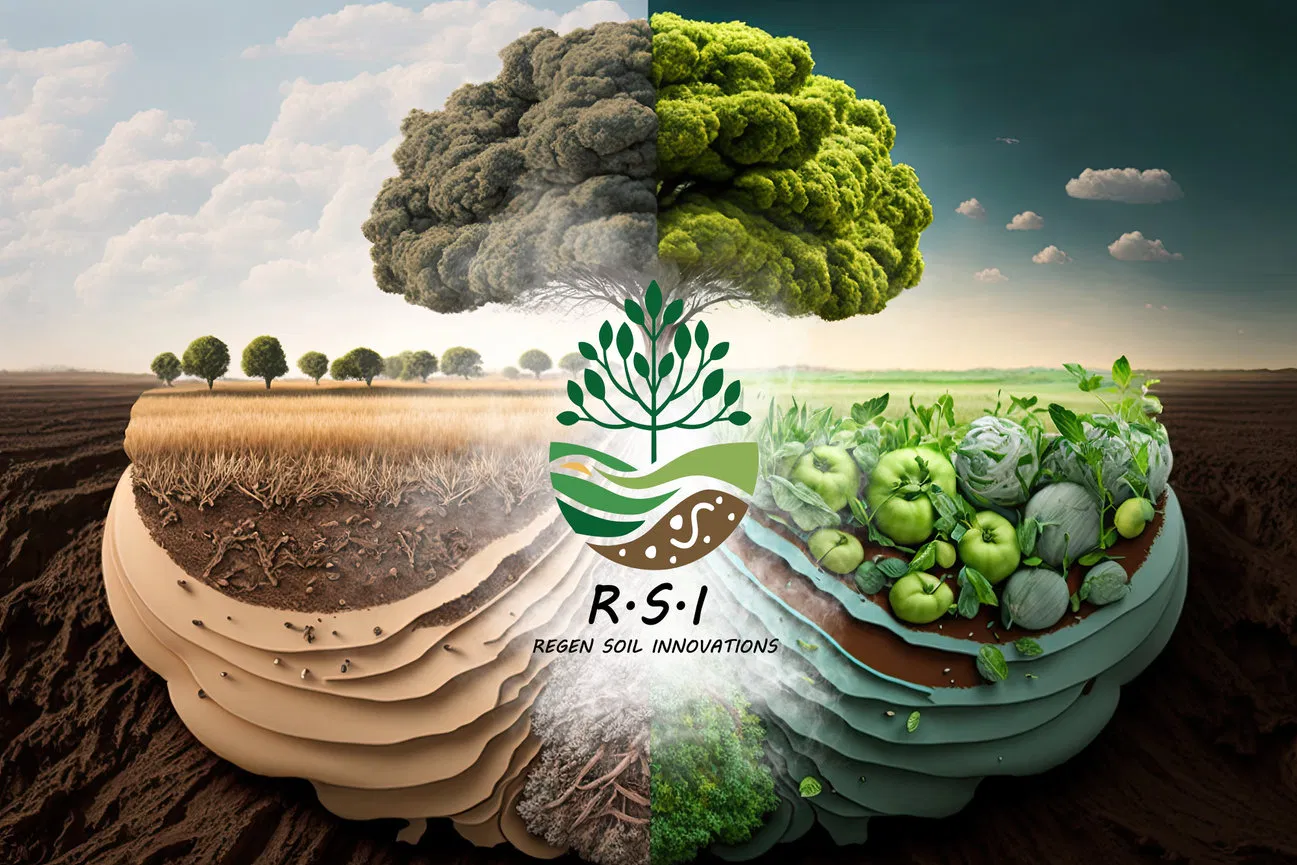
We recently worked with a client who struggled with "brick-like" clay soil. For years, they used heavy fertilizers, yet their yields declined. By implementing the RSI Method, specifically stopping tillage, applying Rhizo Logic®, and maintaining soil cover, they saw a 40% increase in water retention within the first two seasons. The "before and after" was staggering; the once-grey, lifeless dirt transformed into dark, chocolatey soil full of life.
Conclusion: Join the Regeneration Movement
Avoiding these common mistakes is the first step toward a thriving, sustainable ecosystem. Whether you are managing a small patio garden or a multi-acre farm, we are here to partner with you. Soil restoration is the most significant contribution we can make to our planet's future.
What is your biggest challenge with living soil? Leave a comment below or contact us today for a personalized consultation.
Frequently Asked Questions (FAQ)
Q: Can I make my own living soil?
A: Yes, but it requires a precise balance of aeration, moisture, and high-quality microbial inoculants. Our 5-Gallon Living Soil is a great baseline to see what professional-grade biology looks like.
Q: Is Bio-boost the same as Rhizo Logic?
A: No. Bio-boost is a Terrabiotics product focused on plant vitality, while Rhizo Logic is the brand for our Living Soil products.
Q: How often should I test my soil?
A: We recommend an Initial Soil Health Assessment at the start of your journey and follow-up tests every 1-2 years to track progress.


