10 Reasons Your Soil Restoration Isn’t Working (And How to Fix It)

By Jeremy Standring
We see it all the time: a dedicated grower or land manager pours their heart, soul, and a significant budget into "going regenerative," only to find their crops lagging, their soil still compacted, and their yields stagnating. It is frustrating, but more importantly, it’s a sign that the ecosystem balance hasn’t been struck.
Soil restoration isn't a "one-and-done" application of a miracle product. It is a transition from a chemical-input mindset to a biological-process mindset. At Regen Soil, we focus on reversing topsoil depletion through science-backed solutions. If your restoration efforts are stalling, it’s usually because one of the fundamental pillars of soil health is being overlooked.
Here are the 10 most common reasons your soil restoration isn’t working and exactly how we recommend you fix it.
1. You Skipped the Baseline Assessment
Many growers start applying amendments before they even know what their soil actually needs. Without an Initial Soil Health Assessment (ISHA), you are essentially flying blind. You might be adding nitrogen to a field that is already saturated, or trying to fix biology in a soil that has a massive pH imbalance or high salinity.
The Fix: We recommend a comprehensive analysis that looks beyond just N-P-K. You need to evaluate soil biology (microbial diversity), chemistry (nutrient availability), and physical structure (compaction and aggregation).
- Learn more: Initial Soil Health Assessment
2. Treating Microbes as a Product, Not a Process
One of the biggest misconceptions in the industry is that you can just "spray and pray" with a microbial cocktail. Microbes are living organisms; if you put them into a hostile environment, soil that is bone-dry, anaerobic, or devoid of organic matter, they will die or go dormant within hours.
The Fix: Shift your focus to creating the habitat first. Use Rhizo Logic™ Living Soil products to introduce high-quality biology, but ensure you have the moisture and carbon sources (like root exudates) to keep them alive.
3. High-Disturbance Management (The Tillage Trap)
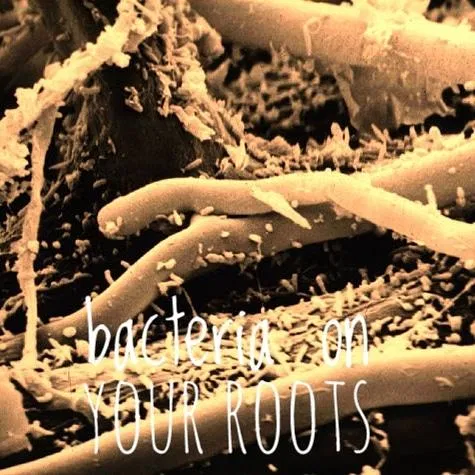
You cannot build a skyscraper while someone is constantly knocking down the foundation. Tillage (the mechanical turning of soil) physically shears the fungal hyphae (microscopic threads of fungi) that are responsible for soil structure and nutrient cycling.
The Fix: Transition to no-till or minimum-till practices. This allows the fungal-to-bacterial (F:B) ratio to balance out, which is critical for long-term carbon sequestration, the process of capturing atmospheric carbon and storing it in the soil.
4. Leaving the Soil Bare (Armor Loss)
Bare soil is dying soil. When soil is exposed to the elements, it overheats (killing microbes), dries out, and becomes prone to erosion. Photosynthesis is the "battery" that powers the soil; without living plants, there are no root exudates (sugars and proteins plants pump into the soil) to feed the biology.
The Fix: Always keep the soil covered. Use diverse cover crop mixes or high-quality mulch. We call this "soil armor."
5. Ignoring Water Infiltration and Retention
If your soil is compacted, water cannot reach the root zone. Instead, it runs off, taking your expensive amendments and topsoil with it. Soil restoration cannot happen in an anaerobic (oxygen-deprived) or chronically dehydrated environment.
The Fix: Conduct a simple infiltration test. If water isn't moving through the profile, you may need to address physical compaction before the biology can take hold. Our RSI Method focuses specifically on optimizing water retention.
6. Nutrient Imbalance vs. Nutrient Availability
You might have high levels of phosphorus in your soil test, but if your plant is showing a deficiency, the nutrient is "locked up." This often happens because the rhizosphere (the area of soil around the roots) lacks the specific microbes needed to solubilize those minerals.
The Fix: Instead of adding more synthetic fertilizer, use Rhizo Logic™ products to introduce the specific microbial populations that unlock existing mineral wealth.
7. Using the Wrong Tools for the Job: Rhizo Logic vs. Bio-boost
Confusion often arises when selecting products. We distinguish between Living Soil solutions and Terrabiotics.
Comparative Analysis: Rhizo Logic™ vs. Bio-boost
| Feature | Rhizo Logic™ (Living Soil) | Bio-boost (Terrabiotics) |
|---|---|---|
| Primary Goal | Establishing a complete living ecosystem. | Rapid microbial stimulation and nutrient delivery. |
| Best For | New garden beds, transplants, and long-term restoration. | High-performance growth stages and "waking up" existing biology. |
| Composition | Proprietary microbial consortia in a stable medium. | Concentrated bio-stimulants and specialized catalysts. |
| Brand Focus | Regen Soil proprietary line. | Terrabiotics specialty line. |
The Fix: Use Rhizo Logic™ when you need to build the "infrastructure" of the soil biology. Use Bio-boost when you need to accelerate performance in an already established system.
- Explore the range: Bio-boost by Terrabiotics
8. Chemical Dependency (The "Band-Aid" Cycle)
If you are applying high-salt synthetic fertilizers or broad-spectrum fungicides while trying to restore soil, you are working against yourself. These chemicals often kill the very microbes you are trying to establish.
The Fix: We advocate for a "bridge" approach. Slowly reduce synthetic inputs as your biological activity increases. This ensures you don't see a "yield crash" during the transition.
9. Lack of Plant Diversity
Monocultures (growing only one type of plant) lead to a limited range of soil microbes. Different plants provide different "food" for the soil via their roots. A lack of diversity makes your soil system fragile and susceptible to pests.
The Fix: Incorporate diversity wherever possible. For home gardeners, this means interplanting; for farmers, it means diverse cover crop cocktails or multi-species grazing.
10. Short-Term Thinking
Regeneration is a marathon, not a sprint. We often see people give up after one season because they didn't see a massive change in soil organic matter (SOM). It took decades to degrade the soil; it will take more than a few months to fully restore it.
The Fix: Monitor leading indicators like earthworm counts, water infiltration rates, and plant brix levels (sugar content), rather than just waiting for SOM to move.
Deep Dive: The Systems-Thinking Approach
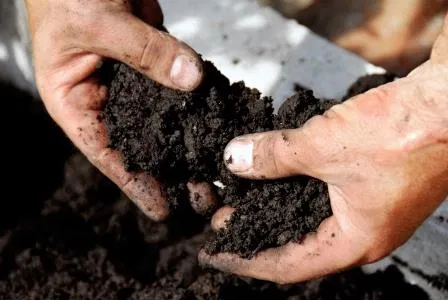
At Regen Soil, we view the farm or garden as a single, breathing organism. This is systems-thinking. When we look at a "pest" problem, we don't ask "What kills this pest?" We ask, "What is missing in the soil ecosystem that allowed this pest to become a problem?"
Usually, the answer lies in the microbial populations. When you have a thriving, diverse microbial community, they form a symbiotic relationship with the plant, providing "induced systemic resistance" (ISR). This is the plant's version of an immune system.
For Beginners
Start small. Focus on one bed or one field. Use a high-quality inoculant like Rhizo Logic™ and keep it covered. Don't overcomplicate it.
For Commercial Operations
Focus on the RSI Method. Scalability in regenerative agriculture requires a data-driven approach. You need to know your ROI on every microbial application.
- Read more: Our Approach to Soil Health
Summary: Your Restoration Roadmap
- Assess: Get an ISHA.
- Inoculate: Introduce biology via Rhizo Logic™ Living Soil.
- Protect: Use cover crops and no-till practices.
- Stimulate: Use Bio-boost during peak growth cycles.
- Monitor: Watch the life return to your land.
We are here to help you navigate this transition. Soil restoration is the most important work of our generation, and we take that partnership seriously.
Do you have questions about your specific soil type? Leave a comment below or reach out for a consultation!
Frequently Asked Questions (FAQ)
Q: How long does it take to see results from soil restoration? A: While biological activity can increase within weeks (visible through increased earthworm activity and plant vigor), significant changes in soil organic matter typically take 3 to 5 years of consistent management.
Q: Can I use Bio-boost and Rhizo Logic together? A: Absolutely. They are designed to be complementary. Rhizo Logic™ establishes the microbial community, while Bio-boost provides the fuel and catalysts to help that community thrive and perform at its peak.
Q: Is "Living Soil" the same as potting soil? A: No. Standard potting soil is often sterile or contains only basic fertilizers. Living Soil, particularly our Rhizo Logic™ line, is a biologically active medium teeming with beneficial fungi, bacteria, and protozoa designed to mimic a healthy forest floor.
Q: Why is tillage so bad for the soil? A: Tillage physically destroys the "houses" microbes live in. Specifically, it breaks apart mycorrhizal fungal networks, which are essential for transporting nutrients and water to plants. It also exposes sequestered carbon to oxygen, turning it into CO2 gas.
Q: Do I still need to fertilize if I'm using regenerative practices? A: Eventually, your need for external synthetic fertilizers will drastically decrease or disappear. However, during the transition phase, we recommend using biological stimulants and high-quality organic amendments to support the system as it wakes up.


