
10 Reasons Your Regenerative Farming Transition Isn't Working (And How to Fix Your Soil Biology)
By Jeremy Standring
We’ve all seen the beautiful documentaries and the success stories: lush, green pastures, deep-rooted crops that don't need irrigation, and farmers who have completely eliminated their chemical bills. It sounds like a dream, doesn't it? But for many of us, the reality of transitioning to regenerative agriculture feels more like a nightmare. You stop the tilling, you plant the cover crops, you back off the synthetic nitrogen, and suddenly, your yields plummet, the weeds take over, and your neighbors at the coffee shop start whispering.
At Regen Soil, we’ve seen this "transition dip" happen time and again. The truth is, regenerative farming isn't just about stopping bad habits; it's about actively rebuilding a complex, living system. If your transition is stalling, it’s usually because the living soil biology hasn't been properly restored to take over the heavy lifting.
Let’s dive into the ten most common reasons your transition might be hitting a wall and how we can use the RSI Method (Regen Soil Innovations) to fix it.
1. You’re Treating Regenerative Like a Recipe, Not a System
One of the biggest mistakes we see is the "copy-paste" approach. Just because a specific cover crop mix worked for a farmer in North Dakota doesn’t mean it will work for your soil in Georgia. Regenerative farming is context-dependent. We have to look at your specific Initial Soil Health (ISH) Assessment to understand your baseline. If you ignore your local climate, soil type, and current microbial population, the system will fail.
2. The "Withdrawal" Was Too Fast
Conventional farming puts soil on "life support." Synthetic fertilizers provide NPK directly to the plant, bypassing the soil’s natural nutrient cycling. When you suddenly cut these off, the plant starves because the soil biology, the "micro-herd", isn't strong enough yet to provide those nutrients. We recommend a staggered approach, using tools like Bio-boost (part of our Terrabiotics line) to bridge the gap while the biology wakes up.
3. Your Fungi-to-Bacteria Ratio is Out of Whack
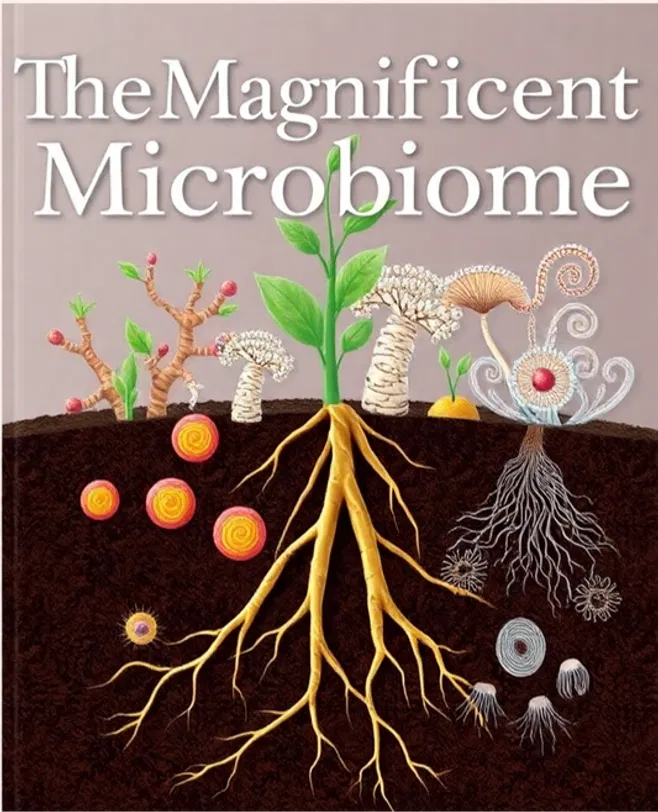
Most agricultural soils are bacterially dominant due to years of tillage and chemical use. For a truly regenerative system to thrive, especially for perennial crops or complex grains, you need a healthy population of fungi. Fungi are responsible for building soil structure (aggregates) and transporting water. Without them, your soil stays compacted, and your living soil can't breathe.
4. You’re Focused on Chemistry, Not Biology
We’ve been conditioned to look at soil reports and see numbers for Nitrogen, Phosphorus, and Potassium. But those numbers only tell you what is "plant-available" in a chemical sense. They don't tell you about the billions of microbes that can unlock the thousands of pounds of minerals already tied up in your soil. Using Rhizo Logic® products helps reintroduce these specific microbial strains that act as the "miners" of your soil's natural wealth.
5. Compaction is Suffocating Your Progress
You can add all the biology you want, but if your soil is as hard as concrete, those microbes won't survive. Microbes need oxygen just as much as we do. If you have a "plow pan" (a hard layer of compacted soil) a few inches down, roots can't penetrate, and anaerobic (oxygen-poor) conditions will foster pathogens rather than beneficial life.
6. Ignoring the "Rhizosphere"
The rhizosphere is the narrow region of soil directly surrounding plant roots. This is where the magic happens. Plants exude sugars (exudates) to feed microbes in exchange for nutrients. If your plants aren't healthy enough to produce these sugars, the biological cycle breaks. This is where a targeted Bio-boost application can stimulate the plant's metabolic processes, ensuring it has enough energy to feed its underground partners.
7. You’re Not Monitoring the Right Metrics
Are you still just measuring yield? While yield is the bottom line, it's a "lagging indicator." To succeed in transition, you need "leading indicators." This is why we use digital monitoring.
Caption: Real-time data collection allows us to see how moisture and nutrient cycling are changing long before the harvest.
8. Chemical Residues are Killing Your "Micro-herd"
Certain herbicides and fungicides have long half-lives. Even if you stopped using them a year ago, residues can remain in the soil, actively suppressed the very living soil biology you are trying to build. We often need to "detox" the soil using specific biological stimulants to break down these carbon-bond chemicals.
9. Lack of Plant Diversity
A monoculture crop only feeds a monoculture of microbes. To have a resilient ecosystem, you need a diverse array of root architectures and exudate types. This is why multi-species cover crops are non-negotiable in the soil restoration process. Diversity above ground equals diversity below ground.
10. The Mindset Gap
The hardest part of regenerative farming isn't the soil; it's the space between the farmer's ears. It requires moving from a "command and control" mindset to a "nurture and observe" mindset. You aren't the boss of the soil; you are the steward of an ecosystem.
Comparing the Approaches: Conventional vs. Regenerative
To understand why your transition might be stalling, let's look at how these two systems differ in their fundamental logic.
| Feature | Conventional Agriculture | Regenerative (Living Soil) |
|---|---|---|
| Nutrient Source | Synthetic NPK (External) | Microbial Cycling (Internal) |
| Soil Structure | Mechanical Tillage | Biological Aggregation (Fungi) |
| Pest Management | Chemical Intervention | Ecosystem Balance / Plant Immunity |
| Water Retention | Low (Heavy Runoff) | High (Soil Organic Matter) |
| Cost Profile | High Input Costs | High Management / Low Input Costs |
| Primary Tool | The Plow / Sprayer | Rhizo Logic® / Cover Crops |
As you can see, the Regenerative model relies entirely on the health of the biology. If you remove the conventional tools but don't successfully install the biological ones, you're left with a system that has no engine.
How to Fix Your Soil Biology: The RSI Method
If you've identified with any of the reasons above, don't panic. The transition is a journey, not an overnight switch. Here is how we recommend getting back on track:
Step 1: Get the Data
Stop guessing. We recommend an Initial Soil Health (ISH) Assessment. This goes beyond standard NPK testing. We look at microbial biomass, fungal-to-bacterial ratios, and the actual biological activity in your soil.
Step 2: Inoculate with Rhizo Logic®
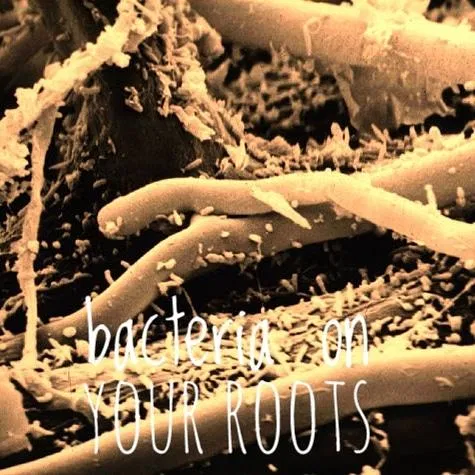
Once we know what’s missing, we bring in the "special forces." Rhizo Logic® represents our line of high-performance living soil inoculants. These aren't just generic "bugs in a jug"; they are specific consortia of microbes designed to colonize the root zone and kickstart nutrient cycling.
Step 3: Fuel the System with Bio-boost
Microbes need food and a stable environment. Bio-boost, our flagship Terrabiotics product, provides the essential micronutrients and biological stimulants that help your existing and newly introduced microbes thrive. Think of it as the high-octane fuel for your soil's engine. Check out more about Bio-boost here.
Step 4: Constant Monitoring
The transition period is volatile. Using tools like the Regen Soil Pulse device allows you to monitor moisture, EC (electrical conductivity), and temperature in real-time.

Frequently Asked Questions (FAQ)
Q: How long does a typical regenerative transition take?
A: Generally, it takes 3 to 5 years to fully restore the biological systems to a point where they can support high yields without synthetic inputs. However, by using Rhizo Logic® and Bio-boost, many growers see significant improvements in soil structure and plant health within the first season.
Q: Can I still use some fertilizer during the transition?
A: Yes. We often recommend "spoon-feeding" liquid nutrients in combination with biologicals to ensure the crop doesn't starve while the soil biology is still "re-learning" how to cycle nutrients.
Q: Is regenerative farming only for large-scale farms?
A: Absolutely not. These principles apply whether you are managing 5,000 acres of corn or a patio garden. Biology works the same way regardless of the scale.
Q: What is the difference between Rhizo Logic and Bio-boost?
A: Great question. Rhizo Logic® is our brand for Living Soil products: it's the biology itself (the "workers"). Bio-boost is a Terrabiotics product: it's the fuel and stimulator that makes the workers more efficient.
Taking the Next Step
Transitioning to regenerative agriculture is the most rewarding thing a farmer or gardener can do. It’s about more than just profit; it’s about leaving the land better than you found it. If you’re feeling stuck, remember that you don’t have to do it alone. We’ve spent years refining the RSI Method to take the guesswork out of soil restoration.
Are you ready to see what’s actually happening under your feet?
Contact us today for a consultation, or dive deeper into our Soil Health resources to learn how we can help you fix your biology and turn your transition into a success story. Let’s grow something amazing together.


