
Why Regenerative Organic Living Systems Will Change the Way You Garden Forever
By Jeremy Standring
Let’s be honest for a second: most of us were taught to garden like we’re running a chemistry lab. We buy the "blue stuff" in a jug, we dump it on the plants, the plants turn green for a week, and then we do it all over again. It’s a hamster wheel of inputs, expenses, and: if we’re being real: mediocre results.
At Regen Soil, we’ve seen enough "sterile" dirt to last a lifetime. We’ve watched growers struggle with pests, disease, and nutrient lockouts, all while following the rules they were taught by big-box garden centers. But there’s a better way. It’s called regenerative agriculture, and once you understand how to harness living soil, your relationship with your garden will never be the same.
Beyond Organic: The Shift to Regenerative Systems
Most people think "organic" is the gold standard. While organic gardening is certainly better than dousing your backyard in synthetic pesticides, it’s often just "substitution gardening." You swap synthetic nitrogen for feather meal, and chemical pesticides for neem oil. You’re still just reacting to problems.
Regenerative organic living systems represent a fundamental paradigm shift. Instead of focusing on feeding the plant, we focus on feeding the soil microbiome. We treat the garden as a complex, self-sustaining ecosystem.
In a regenerative system, we aren't just avoiding the "bad stuff"; we are actively restoring the "good stuff." We are building soil health, sequestering carbon, and creating a biological metropolis beneath our feet that does the heavy lifting for us.
The Science of the "Living" in Living Soil
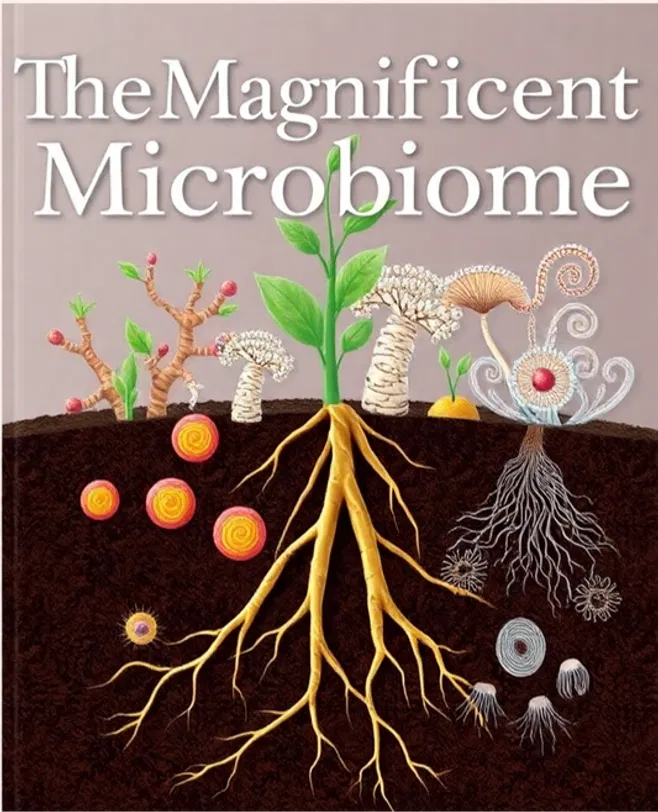
To understand why this works, we have to look at what’s actually happening in the root zone: the rhizosphere. In a conventional setup, plants are "spoon-fed" soluble nutrients. This makes them lazy. They stop producing exudates (sugars and proteins) that attract beneficial microbes because they don't need to trade for nutrients.
In a living soil system, the plant is the conductor of a massive biological orchestra. It pumps carbon-rich sugars into the soil to feed specific bacteria and fungi. In exchange, those microbes mine the soil for minerals and deliver them directly to the roots in a form the plant can actually use.
This is the core of our RSI Method. By focusing on these microbial populations, we ensure that nutrient cycling happens naturally. When you use products like our Rhizo Logic® line, you aren’t just adding "fertilizer"; you are inoculating your system with the microscopic architects of soil health.
Why Your Roots Need a "Microbial Bodyguard"
When your soil is alive, your plants are protected. Beneficial fungi, like mycorrhizae, wrap themselves around plant roots, effectively extending the root system's reach by up to 1,000%. Meanwhile, predatory microbes keep the "bad guys": like fungus gnats or root rot: in check.
We’ve spent years refining this through our Rhizo Logic® research. It’s not just about "adding some compost." It’s about ensuring the right fungal-to-bacterial ratios exist for the specific plants you’re growing.
The Pillars of Regenerative Gardening
If you want to transition your home garden or commercial facility to a regenerative model, there are four main rules we live by:
- Keep it Covered: Bare soil is dying soil. Use mulch or cover crops to protect the microbiome from UV rays and erosion.
- Disturb it Less: Every time you till or dig aggressively, you shatter the delicate fungal networks (hyphae) that took months to build. We are big fans of the no-till approach.
- Maximize Diversity: Monocultures are a buffet for pests. By mixing plant species, you create a more resilient ecosystem.
- Inoculate with Intent: Don't leave your soil biology to chance. Using science-backed microbial inputs ensures your "biological engine" has all the right parts to start humming.
For the Home Grower: The 5-Gallon Revolution
Many people think regenerative systems are only for large-scale farms. That couldn't be further from the truth. In fact, home growers often see the most dramatic results because they can manage their "micro-ecosystems" with such precision.
If you’re growing in a tent or a small backyard, our 5-Gallon Living Soil setup is the perfect entry point. It’s a "just add water" system that relies on the Rhizo Logic® biology to manage the pH and nutrient delivery. No more pH pens, no more mixing five different bottles of nutrients every morning. You’re essentially creating a tiny, high-performance forest floor in a pot.
Living Soil vs. Super Soil: Don't Get it Twisted
There is a common misconception that "Super Soil" and "Living Soil" are the same thing. They aren't.
- Super Soil is usually a heavily amended soil designed to provide enough nutrients for a full cycle. It’s often "hot" (too nutrient-dense) at the start and "spent" by the end.
- Living Soil is about the cycle. It’s designed to be reused and recharged. With the right management and products like Bio-boost (a Terrabiotics powerhouse), you can keep the same soil for years, watching it get better with every harvest.
For a deeper dive into this comparison, check out our article on Living Soil vs. Super Soil.

Data-Driven Regeneration: The RSI Method
At Regen Soil, we don't like guessing. While we love the "earthy-crunchy" side of gardening, we are big believers in the "hard-science" side, too. This is why we offer Initial Soil Health Assessments (ISH).
By using modern tech to track metrics like moisture, temperature, and electrical conductivity (EC), we can see exactly how the microbial activity is performing. We use tools like the Regen Soil Pulse to get real-time data on the environment. When you combine high-tech monitoring with high-touch biology, you get results that defy conventional gardening logic.

The Benefits: What’s In It For You?
So, why go through the trouble of changing your ways?
- Flavor and Potency: Plants grown in living systems have access to a wider array of micronutrients and trace minerals, leading to superior terpene profiles and nutritional density.
- Resilience: Healthy soil makes for "tough" plants. They handle heat, cold, and pests much better than their salt-fed cousins.
- Cost Savings: Once your system is established, your "input" costs drop significantly. You stop buying bottled nutrients and start letting biology do the work.
- Environmental Impact: You are actively sequestering carbon and preventing nutrient runoff into our waterways.
FAQ: Common Barriers to Entry
"Is living soil harder to manage?"
Actually, it’s easier. Once you get the biological balance right, the soil regulates itself. Your main job is just keeping the moisture levels consistent so the microbes don't dry out.
"Does it smell bad?"
A healthy living soil should smell like a fresh forest after a rain. If it smells "funky" or like rotten eggs, you’ve gone anaerobic, which is a drainage or aeration issue, not a "living soil" issue.
"Can I use my old nutrients with Rhizo Logic®?"
We don't recommend it. Synthetic salts can kill or dehydrate the very microbes you're trying to cultivate. If you want the benefits of Rhizo Logic®, you need to commit to the organic path.
Join the Movement
The era of extractive, chemical-heavy gardening is coming to an end. Whether you are a hobbyist looking for better tomatoes or a commercial grower trying to stabilize your yields, regenerative organic living systems are the future.
We invite you to meet Jeremy and the rest of the team to see how we’re changing the landscape of sustainable agriculture one pot at a time. If you’re ready to stop "feeding plants" and start "building ecosystems," explore our soil health services or grab a bag of our Rhizo Logic® products today.
Your soil is alive. It’s time you started treating it that way.
Want to learn more about the specific microbes making this happen? Read our guide on The Hidden World of Soil Protozoa.
Have questions about your specific setup? Drop a comment below or reach out for a consultation. Let's grow something amazing together.


