
Soil Restoration Matters: 5 Success Stories from the Regen Soil Vault
By Jeremy Standring
At Regen Soil, we don’t just look at dirt; we look at a living, breathing engine. When we talk about soil restoration, we aren't simply referring to adding a bit of fertilizer and hoping for the best. We are talking about a fundamental shift from chemical-dependency to biological-autonomy. This transition is what we call "Restoration Agriculture," and it is driven by a deep understanding of microbial populations, nutrient cycling, and systems-thinking.
In our "Vault", a collection of data, field notes, and real-world results from across the globe, we have documented how degraded land can be brought back to life. Whether it’s a small local garden or a thousand-acre commercial operation, the principles remain the same: restore the biology, and the biology will restore the plant.
Here are five success stories that demonstrate the power of science-backed soil health.
1. The Dust Bowl Turnaround: Nick at Voss Farms
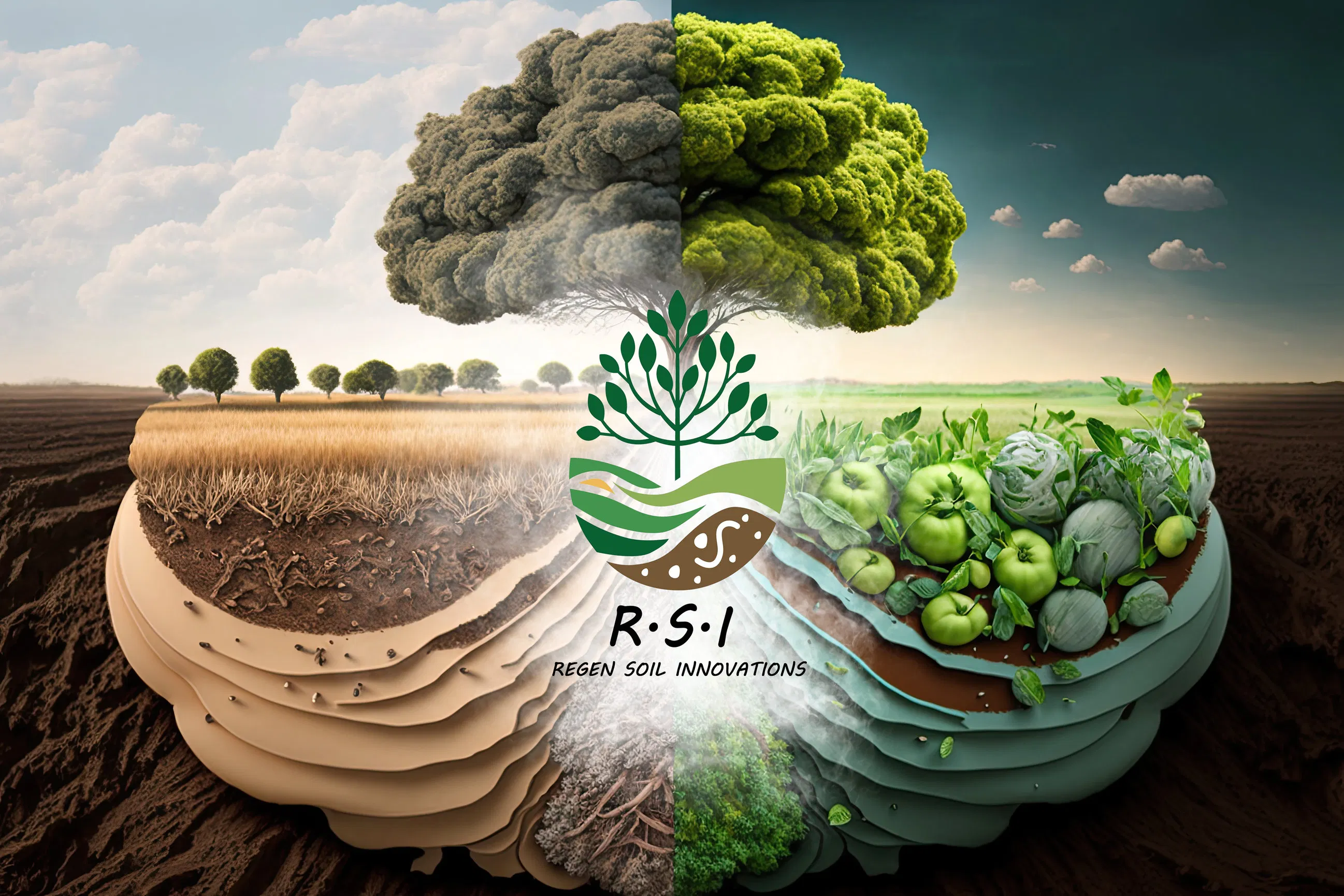
One of the most profound examples in our vault involves Nick from Voss Farms, operating across Oklahoma and Kansas. Nick inherited what many would consider "dead" sand, soil that had been depleted by decades of conventional tillage and synthetic inputs. This type of soil usually has the consistency of powdered sugar and almost zero water-holding capacity.
We observed Nick’s 15-year journey of transitioning these sandy acres into a thriving ecosystem. By implementing our core philosophies, rebuilding living soil, integrating livestock for natural nutrient cycling, and utilizing deep soil core analysis, Nick saw a transformation that was eventually verified by the NRCS.
The Key Insight: It wasn't about one "magic" product. It was about a systematic reduction in synthetics while boosting the soil microbiome. By focusing on the underground architecture, Nick turned barren sand into a productive, carbon-sequestering landscape.
2. The Small-Scale Revolution: Maria Ramirez
Transitioning to regenerative practices isn't just for the massive grain belts. Maria Ramirez in Spain proved that a small-scale, community-focused approach is equally effective. Maria faced degraded soil and severe water scarcity. In a conventional system, she would have been forced to buy more and more inputs to combat the heat and lack of nutrients.
Instead, Maria focused on biodiversity and Rhizo Logic® principles. By introducing cover cropping and rotational techniques, she created a micro-climate within her soil. This increased the organic matter, which in turn acted like a sponge for what little water she had.
The Results: Maria moved from producing chemical-reliant produce to nutrient-dense, chemical-free food that supported her entire local village. Her story is a testament to the fact that soil health is a universal language.
3. The New Generation: Macauley Kincaid
Macauley Kincaid, a 25-year-old farmer in Missouri, represents the future of agriculture. Young farmers often face the steepest uphill battle, balancing debt with the desire to innovate. Macauley bypassed the traditional "tillage-first" mindset and went straight to a soil-health-focused system.
We watched as Macauley implemented no-till practices and diverse cover crops on his 440-acre farm. By looking at the farm as a single, interconnected organism, rather than a factory floor, he managed to lower his overhead costs while increasing his soil’s resilience against extreme weather.
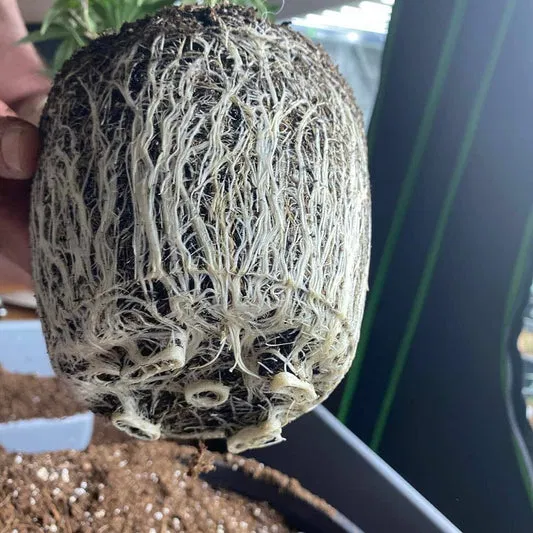
Technical Deep Dive: Macauley’s success relies heavily on protozoa and fungal-to-bacterial ratios. When you stop tilling, you stop shattering the fungal hyphae that allow for long-distance nutrient transport. This is the "internet of the soil," and Macauley is its top administrator.
4. The 25-Year Carbon Sequestrator
We often get asked, "How long does it take to see real results?" While initial improvements in plant health can happen in a single season, the "Vault" contains records of a practitioner who has been building topsoil for over a quarter-century.
This success story focuses on the long-term sequestration of carbon. By never turning the soil and focusing exclusively on feeding the microbial populations, this grower actually grew the physical depth of their topsoil. This isn't just "restoration"; it’s "creation." They proved that we can actually build back the Earth that we've lost.
For the Experienced Grower: This level of success requires an ISH Assessment (Individual Soil Health) to ensure you aren't over-applying nutrients. In this case, the grower used Bio-boost (a Terrabiotics powerhouse) to maintain the biological momentum during the transition periods.
5. Commercial Efficiency: Walberg & Zimmerman
In the commercial sector, efficiency is king. Chris Walberg and Tyler Zimmerman are grower partners who scaled regenerative practices across large operations. Many people believe that "living soil" can't scale, they think it’s too labor-intensive or messy for big equipment.
Chris and Tyler proved the opposite. By utilizing data-driven monitoring, similar to what we offer with our soil health assessment tools, they maximized their input efficiency. They integrated Rhizo Logic® (our Living Soil brand) to ensure that the root zone was always colonized by beneficial organisms.
The Pro Tip: When you scale, you can’t guess. You need real-time data on moisture, temperature, and nutrient availability (EC). These guys used science to ground their theoretical goals in reality.

Comparing the Systems: Conventional vs. Regen Soil
To understand why these success stories matter, we have to look at the "Why" behind the "How."
| Feature | Conventional Agriculture | Regen Soil Restoration |
|---|---|---|
| Primary Input | Synthetic N-P-K | Microbial Inoculants & Organic Matter |
| Soil Structure | Compressed & Tilled | Aerated & Aggregate-rich |
| Water Usage | High (due to runoff/evaporation) | Low (due to high organic matter) |
| Plant Health | Chemical-dependent | Immune-boosted via biology |
| Long-term Goal | Maximum short-term yield | Sustained ecosystem vitality |
Technical Deep Dive: The Science of Rhizo Logic® and Bio-boost
We differentiate our approaches through two main pillars: Rhizo Logic® and Bio-boost.
Rhizo Logic®: The Foundation of Living Soil
Rhizo Logic is centered on the rhizosphere, the area of soil immediately surrounding plant roots. Our research has shown that when roots are coated in beneficial bacteria and fungi, the plant’s ability to uptake minerals increases by up to 300%. This is the essence of Living Soil. It’s about creating a habitat, not just a substrate.
Bio-boost: The Terrabiotics Advantage
On the other hand, Bio-boost acts as a microbial catalyst. While Rhizo Logic builds the home, Bio-boost provides the workers and the energy. This Terrabiotics approach is crucial for soil restoration because it "shocks" a dormant system back into gear, providing the enzymes and microbes needed to break down locked-up nutrients.

Tailoring Restoration to Your Level
For Beginners
If you are just starting, don't get overwhelmed by the jargon. Start with the RSI Method. Focus on two things: keeping the soil covered and adding high-quality biology. A small bag of 5-Gallon Living Soil is often the best way to see the "Rhizo Logic" effect firsthand.
For Experienced Growers
You likely already know the value of microbes. Your next step is precision. Use an ISH Assessment to identify which specific microbial guilds are missing from your ecosystem. Are you low on fungi? Do you have enough protozoa to cycle the nitrogen?
For Commercial Operations
Scaling requires a data-first approach. We recommend integrating real-time soil sensors to monitor EC and moisture levels. This allows you to apply Bio-boost only when and where it is needed, maximizing your ROI while restoring the land.
FAQ: Common Questions on Soil Restoration
Q: Can I restore soil that has been heavily sprayed with chemicals? A: Yes, but it requires a "detox" period. You must re-introduce the microbial life that those chemicals suppressed. Products like Bio-boost are specifically designed to jumpstart this process by breaking down chemical residues and rebuilding the soil structure.
Q: Is regenerative agriculture more expensive? A: Initially, there may be costs associated with testing and inoculants. However, over time, your costs decrease significantly as the soil begins to provide its own fertility and pest resistance. It is an investment in systems-thinking that pays dividends in long-term sustainability.
Q: What is the most important factor in soil restoration? A: Diversity. Monocultures (growing just one thing) are the enemy of soil health. By introducing diverse cover crops and diverse microbial inoculants, you create a robust ecosystem that can handle stress.
Let's Restore Your Soil Together
Every success story in our vault started with a single decision: to stop fighting nature and start working with it. Whether you're trying to fix a backyard garden or a commercial farm, we are here to provide the science, the products, and the mentorship you need.
Ready to start your own success story? Check out our RSI Method to see how we can transform your land, or reach out to us for a personalized Soil Health Assessment. Let’s bring the life back to your soil.
What’s the biggest challenge you’re facing with your soil right now? Leave a comment below or send us a message( we’d love to help you solve it!)


