
5 Steps How to Restore Soil Microbiology and Boost Plant Immunity (Easy Guide for Home Gardeners)
By Jeremy Standring
For decades, the standard approach to home gardening has been a chemical-first model. If the leaves look yellow, add nitrogen. If there are pests, spray a pesticide. However, at Regen Soil, we believe this reactive approach misses the most critical component of a thriving garden: the soil microbiology.
When we talk about regenerative agriculture in a home garden context, we are moving away from treating plants as isolated units and instead viewing them as part of a complex, living ecosystem. The secret to vibrant, disease-resistant plants isn't found in a synthetic fertilizer bottle; it’s found in the "Living Soil" beneath your feet.
In this guide, we will walk you through five practical steps to restore your soil’s biological health and explain the science behind how a robust microbiome directly boosts plant immunity.
The Science of Living Soil: Why Microbiology Matters
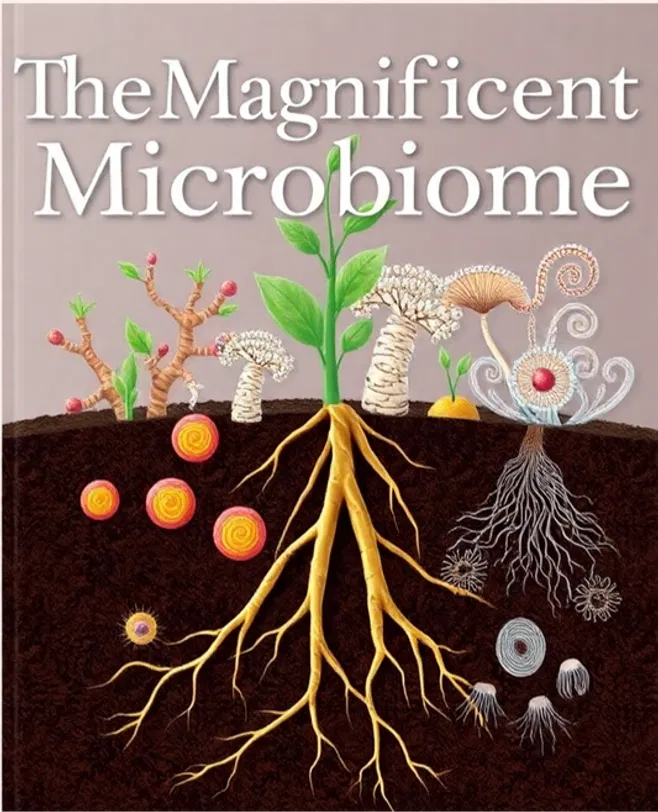
Before we dive into the steps, we need to understand the "Why." In a natural ecosystem, plants and microbes exist in a symbiotic relationship. Plants produce sugars through photosynthesis and exude up to 40% of those sugars through their roots into the rhizosphere (the area of soil immediately surrounding plant roots).
These exudates act as a "calling card" for specific bacteria and fungi. In exchange for these sugars, the microbes mine the soil for minerals, protect the plant from pathogens, and improve soil structure. When we use synthetic chemicals or till the earth excessively, we break this cycle.
Step 1: Re-Inoculate with Beneficial Microorganisms
If your soil has been treated with chemicals or left bare for long periods, the beneficial microbial populations are likely dormant or depleted. The first step in restoration is re-introducing the "good guys."
We recommend starting with high-quality, biologically active amendments. This is where products like Rhizo Logic® come into play. Rhizo Logic® is more than just dirt; it is a Living Soil designed to serve as a biological powerhouse for your garden.
How to Inoculate:
- Top-Dressing: Spread a thin layer of microbially rich compost or Living Soil across your existing beds.
- Soil Recharging: For established plants, we suggest a "boost." Using a product like Ultra Bio-Boost (a Terrabiotics solution) can quickly replenish the microbial populations needed for nutrient cycling.
- Seed Inoculation: When planting new seeds, dusting them with beneficial fungi (like mycorrhizae) ensures the symbiotic relationship begins the moment the first root emerges.
Step 2: Foster Plant Diversity and Root Exudates
In a monoculture (growing only one type of plant), the soil microbiome becomes specialized and fragile. In contrast, diversity creates a robust ecosystem. Each plant species produces a unique cocktail of root exudates, which supports a wider variety of microbial life.
For the Home Gardener:
We have found that companion planting is one of the easiest ways to implement this. Instead of a row of just tomatoes, mix in basil, marigolds, and alyssum. These plants don't just help with pests above ground; they are building a diverse "underground city."
Deep Dive: The Rhizophagy Cycle
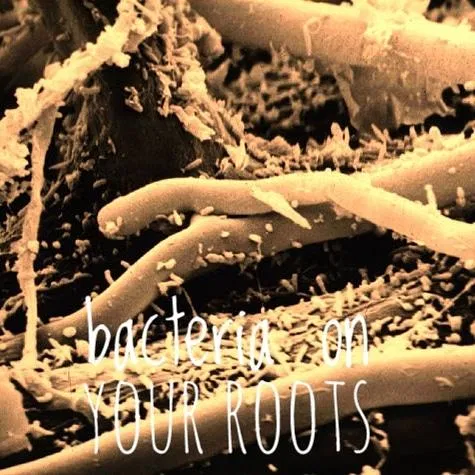
Recent scientific research has uncovered the "Rhizophagy cycle," where plant roots actually "eat" certain bacteria, extract the nutrients, and then spit the bacteria back out into the soil to gather more minerals. The more diverse your plant life, the more diverse the "food" available for this cycle.
Step 3: Protect the "Soil Armor" (Mulching)
One of the quickest ways to kill soil microbiology is to leave it exposed to the sun and rain. Bare soil is a "wound" on the earth. UV rays sterilize the top layer of soil, killing the very microbes you are trying to cultivate.
The Benefits of Mulching:
- Temperature Regulation: Microbes are like us; they don't like being too hot or too cold. Mulch keeps the soil temperature stable.
- Moisture Retention: Fungi and bacteria require moisture to move and reproduce.
- Food Source: As organic mulch (like straw, wood chips, or shredded leaves) breaks down, it provides a slow-release food source for the soil food web.
Pro Tip: For home gardeners, we recommend "Living Mulch." This involves planting low-growing ground covers (like clover) between your main crops to keep the soil covered and the roots active year-round.
Step 4: Minimize Tillage (A vs. B Comparison)
Tilling is perhaps the most destructive habit in traditional gardening. While it creates a "clean" looking bed in the short term, it causes long-term ecological collapse.
Comparative Analysis: Tilling vs. No-Till
| Feature | Traditional Tilling | Regenerative No-Till |
|---|---|---|
| Soil Structure | Destroys aggregates; leads to compaction. | Builds "crumb" structure; improves aeration. |
| Fungal Networks | Slices through delicate mycorrhizal fungi. | Allows vast fungal networks to thrive. |
| Carbon Impact | Releases stored carbon into the atmosphere. | Sequesters carbon deep in the soil. |
| Weed Pressure | Brings dormant weed seeds to the surface. | Suppresses weeds via mulch and competition. |
By adopting a no-dig approach, you allow the natural architecture of the soil to remain intact. Instead of turning the soil, we recommend layering organic matter on top and letting the earthworms and microbes do the "digging" for you.

Step 5: Monitor and Assess Your Soil Health
You cannot manage what you do not measure. Restoring soil microbiology is a journey, and it helps to know your starting point. Many gardeners rely on simple pH kits, but these don't tell you anything about the life in your soil.
We recommend an Initial Soil Health Assessment. This goes beyond basic N-P-K testing to look at the biological activity and nutrient availability of your garden.
Modern Tools for Gardeners:
At Regen Soil, we utilize the RSI Method (Regen Soil Innovations) to track restoration progress. For the tech-savvy gardener, tools like the Regen Soil Pulse device allow you to monitor real-time metrics such as moisture, temperature, and electrical conductivity (EC) via a mobile app. This data ensures you aren't over-watering or under-feeding your microbial allies.

How This Boosts Plant Immunity
You might be wondering, "How does all this help my plants fight off diseases?"
It comes down to Induced Systemic Resistance (ISR). When beneficial microbes (like those found in Rhizo Logic® products) colonize a plant’s roots, they trigger a mild "alarm" in the plant’s immune system. This "vaccinates" the plant, keeping its natural defense mechanisms on high alert.
Furthermore, many beneficial bacteria produce natural antibiotics and antifungal compounds that physically block pathogens from attacking the roots. When you have a healthy microbiome, your plants are less stressed, better fed, and significantly more resilient to environmental swings.
FAQ: Restoring Soil Microbiology
Q: How long does it take to see results?
A: While some changes (like improved water retention) can be seen in weeks, a full restoration of the soil microbiome typically takes 1–3 growing seasons of consistent regenerative practices.
Q: Can I use Bio-boost with any soil?
A: Yes! Ultra Bio-Boost is designed as a Terrabiotics recharge. It works exceptionally well in depleted garden beds or containers to kickstart biological activity.
Q: Is "Living Soil" the same as potting mix?
A: Not at all. Standard potting mix is often sterilized and peat-based, essentially acting as a sterile medium. Rhizo Logic® Living Soil is a biologically active ecosystem designed to support life immediately upon contact.
Q: Do I still need to fertilize?
A: In a regenerative system, we move away from synthetic salts. Instead, we use organic amendments that feed the microbes, who in turn feed the plants. Over time, your need for external inputs will drastically decrease.
Join the Regeneration Movement
Restoring the life in your soil is the most rewarding investment you can make in your garden. It’s about moving from a mindset of "control" to a mindset of "stewardship." We are here to help you every step of the way, from providing the science-backed products you need to offering personalized advice through our consulting services.
If you’re ready to stop fighting nature and start working with it, check out our Rhizo Logic® collection and let's get growing.
Have you tried a no-till approach in your garden? What changes have you noticed in your plant health? Let us know in the comments below!


