
The Ultimate Guide to Living Soil: Everything You Need to Succeed With Regenerative Organic Systems
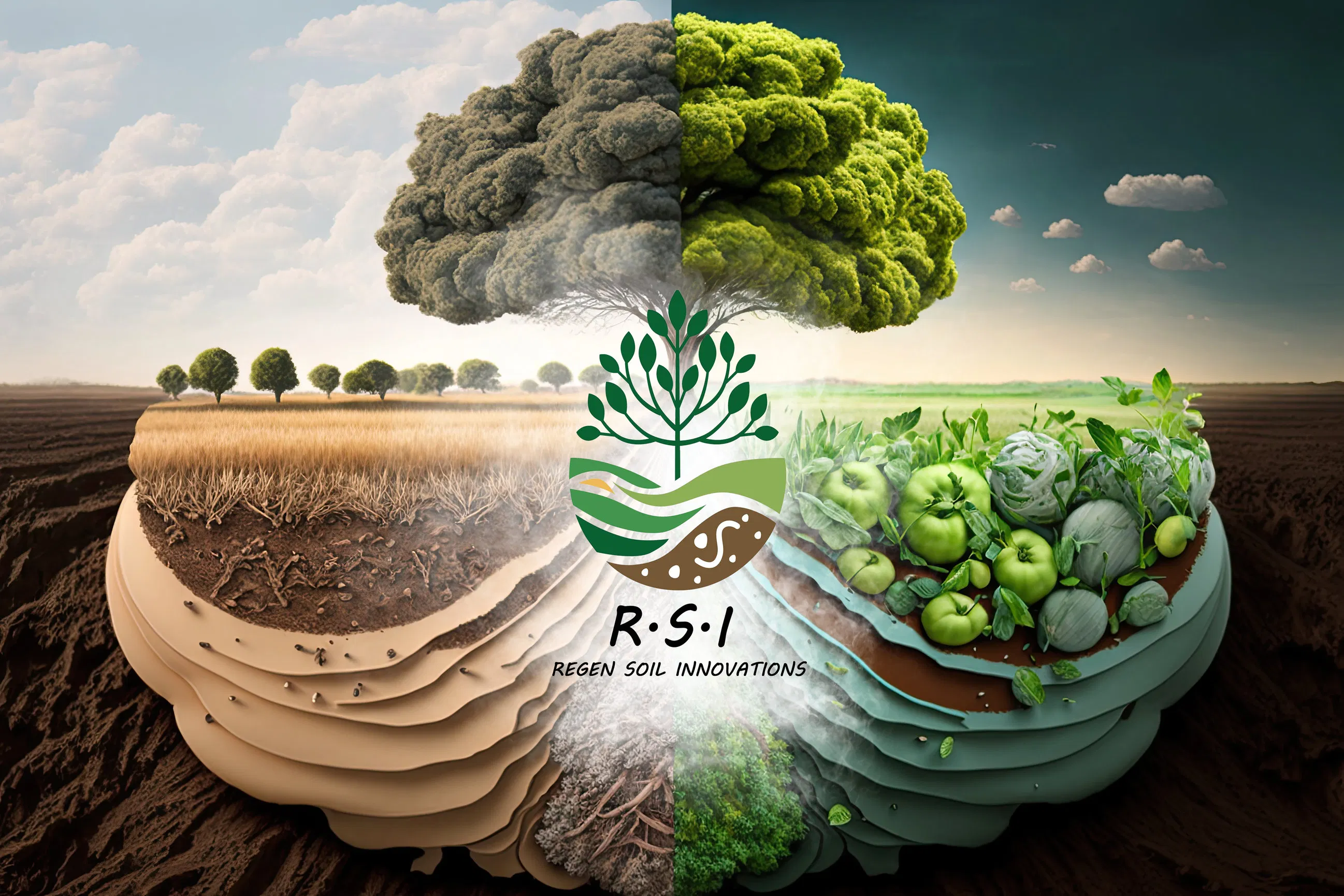
If you’ve spent any time in the gardening or cannabis cultivation world lately, you’ve likely heard the term "living soil" tossed around like it’s the latest trend. But here at Regen Soil, we don’t view living soil as a fad; we view it as a return to the natural order. It is the foundation of regenerative agriculture, a system that focuses on building life rather than just extracting yield.
Most of us were taught the "NPK" method: buy a bag of sterile dirt, pour in some synthetic salts, and hope the plant survives the chemical cocktail. We’re here to tell you there’s a better way. By focusing on soil restoration and working with the Rhizo Logic® of nature, you can create an ecosystem that practically grows itself.
In this guide, we’re going to deep-dive into what makes soil "alive," why it matters, and how you can transition your home garden or commercial operation into a thriving, regenerative powerhouse.
What is Living Soil? (Hint: It’s Not Just "Dirt")
To the untrained eye, dirt is just brown stuff that holds plants up. To us, living soil is a bustling metropolis. It is a complex, biological community of bacteria, fungi, protozoa, nematodes, and arthropods all working in a symbiotic "handshake" with your plants.
In a regenerative organic system, we don't feed the plant; we feed the soil. The soil organisms then process those nutrients and deliver them to the plant roots in exchange for carbon-rich sugars (exudates). It’s a literal underground economy.
The Core Principles of Regenerative Living Soil
Before you start digging, you need to understand the four pillars of regenerative agriculture at home:
- Minimize Soil Disturbance: Stop tilling. Every time you turn the soil, you destroy the delicate fungal networks (mycelium) that act as the plant's internet.
- Keep Soil Covered: Bare soil is dying soil. Use mulch or cover crops to protect the microbiology from UV rays and erosion.
- Maintain Living Roots: Roots provide the food for your microbes. Try to keep something growing in your soil year-round.
- Maximize Biodiversity: The more species of plants and microbes you have, the more resilient your ecosystem becomes.
The Engine of Growth: Soil Microbiology and Rhizo Logic®
At the heart of our philosophy is Rhizo Logic®. This isn't just a brand name; it’s our approach to understanding the rhizosphere: the area of soil immediately surrounding plant roots.
When you use our Rhizo Logic® products, you are introducing specific, beneficial microbial populations that are designed to jumpstart the "nutrient cycling" process. Instead of your plants waiting for a liquid feed, they have a 24/7 catering service right at their roots.
The Role of Microbes
- Bacteria: The "builders" that break down organic matter and sequester nitrogen.
- Fungi: The "transporters" that move water and nutrients over long distances.
- Protozoa: The "recyclers" that eat bacteria and release nitrogen in a form plants can actually use. You can read more about these microscopic architects here.
By restoring these biological components, we see plants that are more resistant to pests, more drought-tolerant, and significantly higher in terpene and nutrient density.

Building Your Living Soil: The Essential Blocks
If you’re starting from scratch, you might be tempted to buy a "Super Soil." While Super Soils are nutrient-dense, they are often "hot" and can burn young plants. Living Soil, on the other hand, is about long-term vitality.
1. The Foundation: Organic Matter
Quality worm castings are the gold standard. They are packed with microbial diversity and immediately available nutrients. We recommend starting with a high-quality base like our 5-Gallon Living Soil setup.
2. The Boosters: Terrabiotics and Minerals
While Rhizo Logic® handles the living biology, we often look to Bio-boost (a Terrabiotics product) to provide the secondary biological support and enzyme activity needed for explosive growth. Don't forget the minerals: rock dust and kelp provide the trace elements that act as the "vitamins" for your soil ecosystem.
3. The Cover: Mulch and Cover Crops
Keep your "soil skin" on. Straw, wood chips, or a diverse mix of clover and legumes will keep your microbes happy and hydrated. If you’re growing cannabis, check out our complete guide on cover crops.
Success Strategies for Every Grower
We work with everyone from "closet hobbyists" to large-scale farmers. Here is how you should approach living soil based on your scale:
For Beginners
Keep it simple. Don’t overthink the science yet. Focus on high-quality inputs and avoid the temptation to add synthetic "bloom boosters." If your leaves look a little weird, don't panic: sometimes it's just the soil finding its balance. Read our post on debunking the 'this flower, this leaf' myth to stay grounded.
For Experienced Growers
Now is the time to dial in your fungal-to-bacterial ratios. Depending on whether you are growing annuals (like cannabis) or perennials, you’ll want to shift the biology. We’ve found that a fungal-dominant soil is often the "secret sauce" for high-end organic cannabis. You can learn more about finding that balance here.
For Commercial Operations
Data is your best friend. Transitioning a large facility to regenerative agriculture requires more than just good vibes; it requires an Initial Soil Health (ISH) Assessment. We use digital soil sensors to monitor moisture and nutrient levels in real-time, ensuring that your soil restoration is on track and your ROI is protected.

Long-Term Management: The "Regen" Way
One of the biggest benefits of a living soil system is that it gets better over time. Unlike synthetic systems where the soil becomes "dead" and salty after one season, living soil accumulates sequestration benefits and biological density.
- Re-amending: After a harvest, don't throw your soil away! Simply top-dress with some fresh worm castings and a little bit of Rhizo Logic® to replenish what the plants took.
- Microbe Brews: Every few weeks, we love "brewing liquid gold." This involves aerating a tea made from compost and microbial inoculants to give the soil a massive influx of life. Our journey with Coral Cal Microbe Brew is a great place to start for recipes.
- Observation: Spend time with your plants. Are you seeing fungus gnats? That might be an indicator of overwatering or a lack of predatory mites. Check out our guide to fungus gnats for organic solutions.
FAQ: Common Barriers to Entry
Q: Is living soil more expensive?
A: Initially, the setup can cost more because you are buying high-quality organic matter and biology. However, because you reuse the soil year after year, your long-term costs are significantly lower than buying bottled nutrients every month.
Q: Does it smell bad?
A: Healthy living soil should smell like a fresh forest floor: earthy and sweet. If it smells like rotten eggs or ammonia, you have an anaerobic (lack of oxygen) problem.
Q: Can I use living soil indoors?
A: Absolutely. In fact, it’s often easier to control the environment indoors to maximize microbial activity.
Q: What about pests?
A: In a balanced ecosystem, you have "good bugs" that eat the "bad bugs." By encouraging biodiversity, you create a natural defense system.
Join the Regeneration
We are on a mission to heal the planet, one square foot of soil at a time. Whether you are looking to grow the cleanest medicine possible or you want to turn your backyard into a carbon-sequestering oasis, we are here to help.
The transition from "grower" to "steward of the land" is a rewarding one. It requires patience, observation, and a willingness to let nature take the lead. If you’re ready to start your journey, check out our RSI Method or reach out to us for a personalized soil assessment.
Let’s grow something real.
Do you have questions about transitioning to living soil? Drop a comment below or join our community of organic growers! We’d love to hear about your successes (and your struggles) in the garden.


