
5 Steps How to Master Soil Restoration and Boost Microbiology (Easy Guide for Home Gardeners)
At Regen Soil, we believe that the secret to a thriving garden isn't found in a bag of synthetic fertilizer, but in the complex, microscopic world beneath our feet. For many home gardeners, the transition from conventional "dirt" management to regenerative agriculture can feel daunting. However, the principles of soil restoration are grounded in a simple truth: if you take care of the biology, the biology will take care of the plants.
In this guide, we will walk you through the essential steps to transform depleted earth into a thriving Rhizo Logic® Living Soil ecosystem. By focusing on soil restoration, we aren't just growing plants; we are sequestering carbon, managing water more efficiently, and building long-term fertility.
Understanding the Living Ecosystem
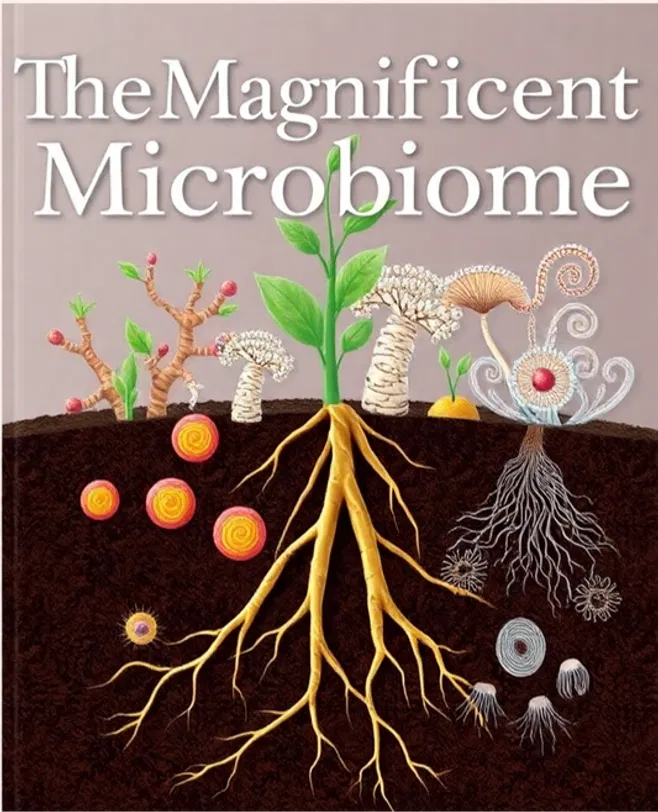
Before we dive into the steps, we must define what we mean by "living soil." In a Rhizo Logic system, the soil is a biological matrix teeming with bacteria, fungi, protozoa, and nematodes. These organisms engage in nutrient cycling, the process where organic matter is broken down into plant-available forms. When this system is functioning correctly, you no longer need to rely on the "this flower, this leaf" mentality of adding specific chemicals for specific growth stages.
Step 1: Minimize Soil Disturbance (The No-Till Philosophy)
The most common mistake in home gardening is the annual use of the rototiller. While it creates a clean, fluffy-looking bed, it is catastrophic for soil microbiology.
Why Disturbance is Destructive:
- Fungal Network Fragmentation: Beneficial mycorrhizal fungi form long, thread-like structures called hyphae. Tilling physically shears these networks, forcing the fungi to start from scratch.
- Oxidation of Organic Matter: Turning the soil exposes buried carbon to sudden bursts of oxygen, causing it to burn off as CO2, effectively "bleeding" the soil's energy.
- Destruction of Soil Structure: Tilling destroys the natural "aggregates" (clumps) that allow air and water to move through the soil.
What We Recommend:
Instead of tilling, we advocate for a "no-dig" or "minimal-till" approach. If your soil is heavily compacted, use a broadfork or a garden fork to gently lift and aerate the soil without flipping the layers. This preserves the vertical integrity of the microbial horizons.
Step 2: Add Organic Matter Continuously
Organic matter is the fuel for the soil microbiome. Without a constant supply of carbon-rich materials, your microbial populations will eventually starve and go dormant.
The "Chop n' Drop" Method:
We frequently use the "Chop n' Drop" technique. When a crop finishes or a cover crop reaches its peak, simply cut the plant at the base and leave the biomass on the soil surface. The roots remain in the ground to decompose, creating channels for air and water, while the surface material feeds the decomposers.
Boosting with Terrabiotics:
For home gardeners looking to accelerate this process, we recommend incorporating Bio-boost by Terrabiotics. While organic matter provides the "food," a bio-catalyst like Bio-boost ensures that the microbial community has the metabolic energy to process that food efficiently.
Learn more about our approach to soil health here.
Step 3: Maintain Constant Ground Cover
Nature abhors a vacuum, and it especially hates bare soil. Bare soil is subject to extreme temperature swings, erosion, and UV damage which "sterilizes" the top layer of microbiology.
Methods of Coverage:
- Mulching: Use straw, wood chips, or shredded leaves. This acts as an insulating blanket and a slow-release food source.
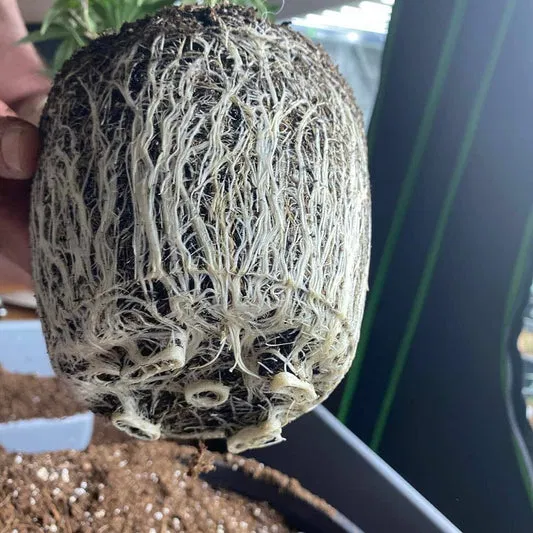
- Cover Crops: These are "living mulches." Plants like clover, vetch, or cereal rye keep the rhizosphere (the area around plant roots) active year-round.
System Thinking Tip: Keeping the soil covered maintains the "photosynthetic capacity" of your garden. Even when you aren't growing vegetables, cover crops are pumping liquid carbon (exudates) into the soil to feed your Rhizo Logic microbes.
Step 4: Encourage Plant Diversity
Monocultures, growing only one type of plant in an area, lead to microbial imbalances. Different plants produce different root exudates, which in turn attract different species of bacteria and fungi.
The Polyculture Advantage:
By planting a variety of species together, you create a more resilient ecosystem. For example, legumes fix nitrogen, while deep-rooted plants like daikon radish "mine" minerals from the subsoil and bring them to the surface.
Living Soil vs. Super Soil: A Brief Comparison
| Feature | Super Soil | Rhizo Logic Living Soil |
|---|---|---|
| Philosophy | "Amended" to last one season | "Restored" to be self-sustaining |
| Microbial Activity | High initially, then tapers off | Increases over time through cycling |
| Input Needs | Frequent re-amending | Minimal; primarily carbon/mulch |
| Complexity | High (many individual ingredients) | Systems-based (focus on biology) |
For a deeper dive into these differences, check out our post on Living Soil vs. Super Soil.
Step 5: Eliminate Chemical Inputs
You cannot build a living system while simultaneously applying "cides" (pesticides, herbicides, fungicides). Synthetic salt-based fertilizers are equally problematic.
The Synthetic Spiral:
Synthetic fertilizers provide nutrients in a "salt" form. This makes the plant lazy; it stops producing root exudates because it's being "fed" by the human. When the exudates stop, the microbes die. When the microbes die, the soil structure collapses, and the plant becomes dependent on more chemicals to survive. This is a cycle of addiction we aim to break.
The Regenerative Alternative:
By utilizing our ISH Assessment (Initial Soil Health Assessment), we can identify exactly what your soil is lacking and use biological inoculants and organic minerals to balance the system naturally, without the scorched-earth policy of synthetics.
Deep Dive: The Role of the Rhizosphere
The rhizosphere is the thin zone of soil surrounding a plant root. This is where the magic happens. Plants can direct up to 40% of their total energy toward creating "exudates", sugars, proteins, and carbohydrates, that they leak into the soil.
Why would a plant "waste" 40% of its energy? Because it is hiring a workforce. These sugars attract specific bacteria and fungi that can dissolve rock, hunt for water, and protect the plant from pathogens. When you use Rhizo Logic® products, you are providing the high-quality biological foundation for this recruitment process to happen at peak efficiency.
Practical Tips for the Home Gardener
- For Beginners: Start small. Pick one 4x4 raised bed and commit to the five steps above. Observe the difference in water retention and pest resistance compared to your conventional beds. You can even start with our 5-gallon Living Soil kit to see the results firsthand.
- For Experienced Growers: Focus on your fungal-to-bacterial ratios. Most garden soils are bacterially dominant. Adding woody mulches and fungal inoculants can help bring the balance back toward a forest-floor ecology, which is ideal for many perennial and long-term crops.
- For Commercial Operations: Scaling these principles requires data. We recommend regular soil testing that includes biological counts, not just chemical N-P-K levels.
FAQ: Soil Restoration Common Questions
Q: How long does it take to restore soil?
A: You will see a difference in plant health within one season, but true soil restoration, building significant organic matter and stable microbial colonies, is a 3-to-5-year journey.
Q: Can I use Bio-boost with any fertilizer?
A: Bio-boost (Terrabiotics) is designed to work with organic systems. While it can help mitigate the damage of synthetics, its full potential is realized when paired with organic matter and living soil practices.
Q: Do I need to buy worms?
A: Generally, no. If you provide the food (organic matter) and the habitat (moisture and no-till), the worms will find you. "Build it and they will come" is the golden rule of soil biology.
Q: What is the best cover crop for a beginner?
A: Crimson clover is a fantastic starter. It’s easy to manage, fixes nitrogen, and provides beautiful flowers for pollinators.
Start Your Journey with Regen Soil
Restoring the earth starts in your backyard. By following these five steps, you aren't just a gardener; you are an ecosystem manager. We are here to support that transition with science-backed solutions and years of field experience.
If you’re ready to stop guessing and start growing with the power of biology, we invite you to explore our Initial Soil Health Assessment or reach out to us for personalized guidance. Let's grow a living legacy together.
Have questions about your specific soil type? Drop a comment below or join our community of growers committed to the Rhizo Logic® way!


