
Regenerative Organic Living Systems 101: A Beginner’s Guide to Mastering Your Soil Archives
By Jeremy Standring
Let’s be honest: most of us were taught that soil is just "dirt", a brown, inert substrate whose only job is to hold a plant upright while we pump it full of synthetic cocktails. If you’ve been following the old-school "NPK" (Nitrogen, Phosphorus, Potassium) playbook, you’re not just gardening; you’re managing a chemical-dependent patient on life support.
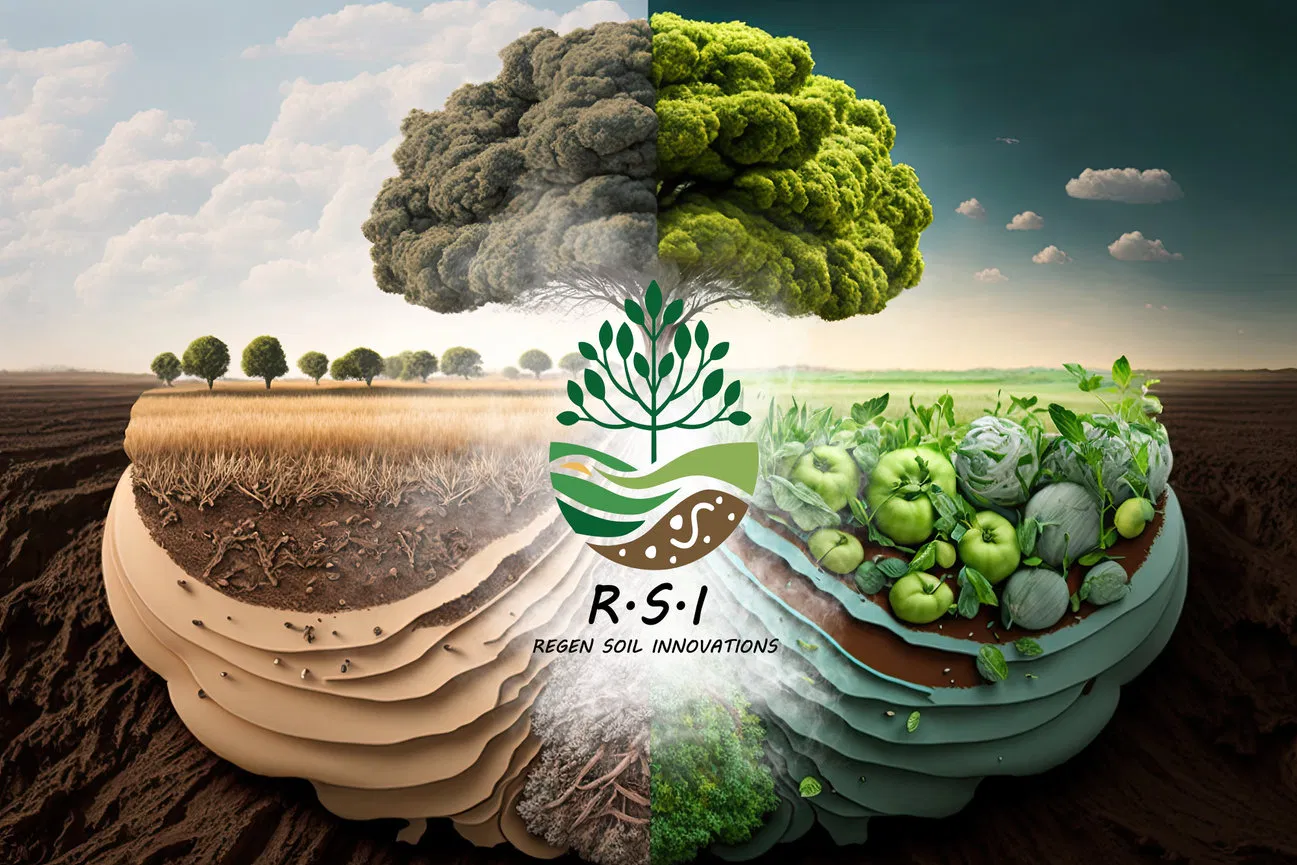
At Regen Soil, we look at things differently. We don’t see dirt; we see a living system. Specifically, we see what we like to call the Soil Archive. Think of your soil as a biological hard drive that stores the history of every root, every microbe, and every drop of water that has ever passed through it. If your "archive" is corrupted by tillage and chemicals, your plants are essentially trying to grow in a library where the books have been shredded.
In this guide, we’re going to walk you through the fundamentals of Regenerative Organic Living Systems. Whether you’re a backyard patio enthusiast or managing a small-scale farm, mastering these principles is the first step toward reversing topsoil depletion and creating a thriving, self-sustaining ecosystem.
Why "Living" Systems? The Micro-Universe Beneath Your Feet
When we talk about a "Living System," we aren't just being poetic. We are referring to the microbial populations, the trillions of bacteria, fungi, protozoa, and nematodes, that facilitate nutrient cycling.
In a healthy system, you don’t need to "feed" the plant. You feed the soil, and the soil feeds the plant. This is the hallmark of living soil. When you use products like our Rhizo Logic™ Living Soil, you are essentially installing a high-speed internet connection between the soil’s mineral content and the plant’s roots.
The Problem with the Status Quo
Traditional agriculture relies on high-input, low-intelligence models. You dump synthetic nitrogen, the plant grows fast (but weak), and the soil biology dies off because it has nothing to do. The result? Compacted, lifeless dirt that can’t hold water and requires more chemicals every year just to maintain the same yield.
The Core Pillars of Regenerative Living Systems
To master your soil archives, you need to follow a set of rules that prioritize biology over chemistry. Here are the non-negotiables:
1. Minimize Soil Disturbance (Put the Tiller Down)
Every time you till the soil, you’re effectively triggering a biological earthquake. Tillage shatters the delicate fungal networks (mycelium) and destroys the soil structure that allows for air and water infiltration.
- The Regenerative Shift: Move toward no-till or low-till methods. By leaving the soil intact, you allow the "archive" to build upon itself year after year.
2. Armor Up: Keep the Soil Covered
Nature abhors a vacuum, and it hates naked soil even more. Bare soil is subject to erosion, UV sterilization, and moisture loss.
- The Strategy: Use mulches, compost, or living ground covers. This "armor" keeps the soil temperature stable and provides a habitat for the beneficial organisms that drive sequestration of carbon.
3. Biodiversity is Non-Negotiable
Monocultures are a biological dead end. A diverse range of plants above ground leads to a diverse range of microbial populations below ground. Different plants exude different sugars (exudates), which attract different types of beneficial bacteria and fungi.
- For Beginners: Mix your veggies with flowers and herbs. If you’re using our Living Soil Patio Pro Kit, don’t just plant a single tomato, tuck some basil and marigolds in there too.
4. The Power of Living Roots
Plants are the primary source of energy for the soil ecosystem. Through photosynthesis, they pump carbon into the ground to feed the microbes.
- The Goal: Keep something growing as long as possible. When one crop finishes, have a cover crop or a secondary planting ready to go. Never let the "solar panels" (the leaves) shut down for long.
Rhizo Logic®: The Biological Catalyst
While principles are great, sometimes your soil archive is so depleted that it needs a "system restore." This is where Rhizo Logic® comes in.
Our Rhizo Logic® products are formulated based on cutting-edge research in soil microbiology. We don’t just give you a bag of dirt; we provide a proprietary blend of beneficial microorganisms designed to naturally restore soil health and jumpstart nutrient availability.
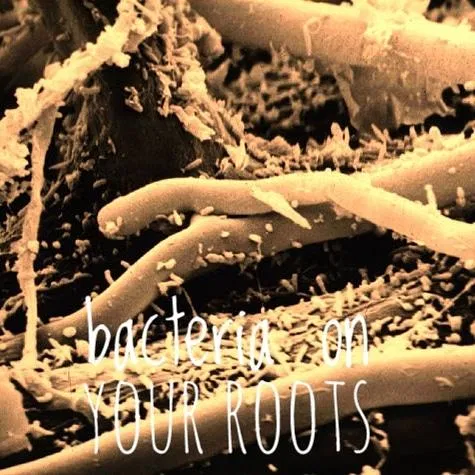
Key Benefit: By introducing these specific microbial strains, you are building a more resilient root microbiome. This allows your plants to access minerals that were previously "locked" in the soil, leading to higher nutrient density and better pest resistance.
Creating Your Personal Soil Legacy: A Step-by-Step Guide
Ready to get your hands dirty? Here is the RSI Method for starting your regenerative journey.
Step 1: The Initial Soil Health Assessment (ISH)
You can’t fix what you haven't measured. Before you start dumping amendments, you need to know the state of your biology and chemistry. We recommend starting with our Initial Soil Health Assessment. This isn't your standard hardware store test; it’s a comprehensive roadmap that analyzes your soil’s physical structure and microbial diversity.
Step 2: Inoculate and Amend
Once you know what’s missing, it’s time to rebuild.
- For Containers/Patio: Use the Rhizo Logic™ Living Soil as your base. It’s pre-loaded with the biological "software" your plants need.
- For In-Ground Beds: Apply high-quality compost and inoculate with Rhizo Logic® microbes to re-establish those vital fungal networks.
Step 3: Feed the Multitude
Remember, you are a manager of microbes. Feed your soil organisms with organic matter like leaf mold, straw, or specialized organic fertilizers. Avoid anything with high salt content or synthetic "quick-fix" nutrients, as these can actually dehydrate and kill your microbial allies.

Beginners vs. Commercial Operations: Tailoring Your Approach
We work with everyone from patio gardeners to large-scale land managers. While the principles remain the same, the execution varies.
- For Beginners: Your focus should be on observation. Watch how water moves through your soil. Look for earthworms (the engineers of the soil world). Start small, master a few containers or one raised bed using the Patio Pro Kit, and then scale up.
- For Commercial Operations: We focus on ROI and scalability. This involves sophisticated water retention optimization and large-scale cover crop management. We use data-driven tools to monitor progress in real-time.

FAQ: Common Hurdles in Regenerative Living Systems
Q: Can I use Rhizo Logic® with my existing fertilizers?
A: Yes, but with a caveat. If you are using heavy synthetic fertilizers, you’re essentially working against the biology. We recommend transitioning to organic, slow-release inputs to get the most out of the microbial populations in Rhizo Logic®.
Q: How long does soil restoration take?
A: Biology moves faster than you think! While building significant topsoil takes years, you can see a massive shift in microbial activity and plant health within a single growing season if you follow the RSI Method.
Q: Is "Living Soil" just fancy compost?
A: Not quite. Compost is a great food source and source of some biology, but Living Soil (like our Rhizo Logic line) is a specifically engineered ecosystem. It’s balanced for aeration, moisture retention, and a specific "cast" of microbial characters that are proven to support plant growth.
The Path Forward
Regenerative agriculture isn't just a trend; it's a necessity. By shifting your mindset from "killing pests" to "growing life," you are participating in a global movement to reverse soil depletion and restore the planet's health, one square foot at a time.
We are here to be your mentors in this process. If you’re ready to stop guessing and start growing, check out our full range of products or book a consultation to get your personalized restoration roadmap.
What’s the biggest challenge you’ve faced in your garden this year? Let’s talk about it in the comments below!


