
Regenerative Farming 101: A Beginner’s Guide to Mastering Soil Microbiology
By Jeremy Standring
At Regen Soil, we believe that the secret to a thriving garden or a productive farm doesn’t lie in the bottle of synthetic fertilizer you buy at the big-box store. Instead, it lies beneath your feet. For decades, conventional agriculture has treated soil like a sterile holding tank for plants: a medium that only exists to hold roots while we pump in chemicals.
We are here to tell you there is a better way. Regenerative agriculture is a holistic land-management practice that leverages the power of photosynthesis and soil microbiology to close the carbon cycle and build soil health, crop resilience, and nutrient density. If you are a beginner looking to transition from chemical-dependency to a self-sustaining ecosystem, understanding living soil is your first step.
What is Regenerative Farming?
Regenerative farming is more than just "organic." While organic farming focuses on what you don't use (like synthetic pesticides), regenerative farming focuses on what you do: specifically, how you regenerate the soil microbiome.
The goal of our RSI Method is to restore the natural biological functions of the earth. We focus on increasing soil organic matter (SOM) and fostering a diverse community of microbes. When the soil is healthy, it acts as a living ecosystem, naturally cycling nutrients, retaining water, and defending plants against pests and diseases.
The Invisible Engine: Understanding Soil Microbiology
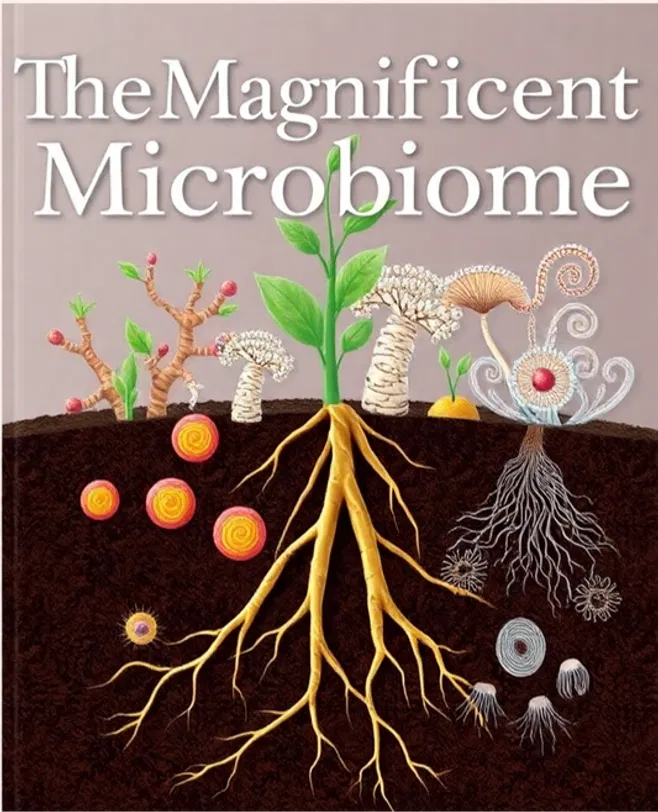
To master regenerative farming, you must first become a "microbe manager." Soil isn't just dirt; it is a booming metropolis of life. In a single teaspoon of healthy living soil, there are more microorganisms than there are people on Earth.
The Key Players in Your Soil
- Bacteria: These are the primary decomposers. They consume simple carbon compounds and "glue" soil particles together into micro-aggregates, improving soil structure.
- Fungi: Specifically, Mycorrhizal fungi form symbiotic relationships with plant roots. They extend the root system's reach, bringing in phosphorus and water that the plant couldn't access otherwise.
- Protozoa: These larger microbes eat bacteria. As they digest them, they release excess nitrogen in a form the plant can immediately use. This is the essence of nutrient cycling.
- Nematodes: While some are pests, most are beneficial, playing a crucial role in the soil food web by consuming bacteria and fungi.
Conventional vs. Regenerative: A Comparison Analysis
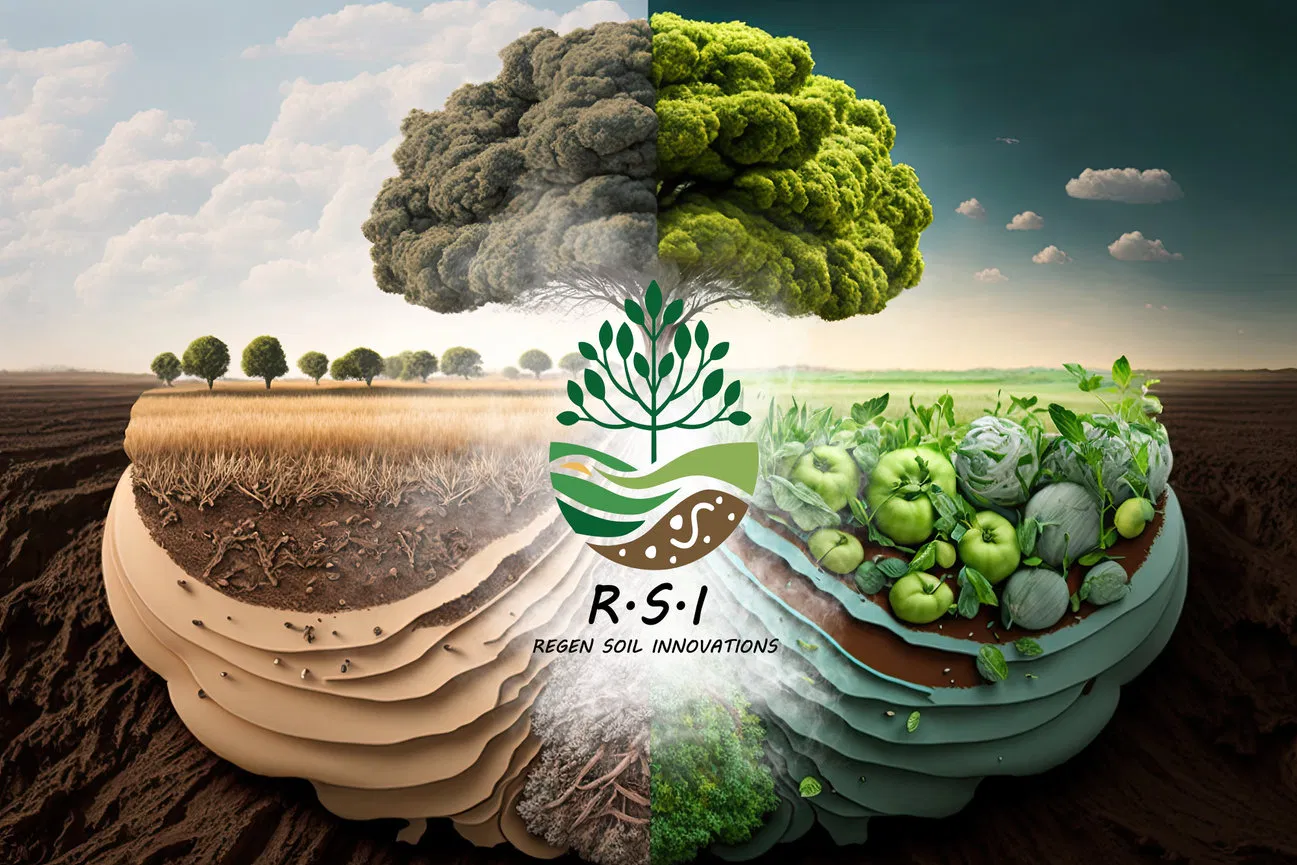
When we consult with growers, we often compare the "Chemical Model" to the "Biological Model." Understanding the difference is vital for any beginner.
| Feature | Conventional Agriculture (Chemical) | Regenerative Agriculture (Biological) |
|---|---|---|
| Soil Approach | Sterile medium; physical support only. | Living soil; a complex ecosystem. |
| Nutrient Source | Synthetic N-P-K salts. | Microbial nutrient cycling & organic matter. |
| Pest Management | Chemical pesticides (kill-all approach). | Built-in immunity via Rhizo Logic® diversity. |
| Water Retention | Low; high runoff and erosion. | High; healthy soil acts like a sponge. |
| Carbon Impact | Releases carbon into the atmosphere. | Practices carbon sequestration in the soil. |
The transition to a regenerative system means moving away from the "fix-it-with-a-spray" mentality and moving toward a "support-the-system" mindset.
The Core Principles of Soil Restoration
We follow four primary pillars to ensure soil health remains the priority.
1. Minimize Disturbance
Tilling is the enemy of soil microbiology. Every time you turn the soil, you slice through fungal networks and expose delicate microbes to the sun and air, killing them. We recommend "no-till" or "low-till" methods to keep the biological structures intact.
2. Keep the Soil Covered
Nature hates a vacuum. Bare soil is vulnerable to erosion, temperature spikes, and moisture loss. We use cover crops and organic mulches to protect the soil surface. This provides a "skin" for the earth, keeping the microbes underneath cool and fed.
3. Maintain Living Roots Year-Round
Microbes need food, and their favorite food is "root exudates": sugars and proteins that plants pump out of their roots to attract beneficial bacteria. By keeping living plants in the ground as long as possible, you ensure your microbial populations don't starve during the off-season.
4. Increase Biodiversity
A monoculture (growing only one thing) leads to a weak ecosystem. By diversifying your plant species, you diversify the types of microbes in the soil. This is where our Rhizo Logic® products shine, as they are designed to support a wide array of beneficial life forms.
Deep Dive: The Rhizo Logic® Approach to Living Soil
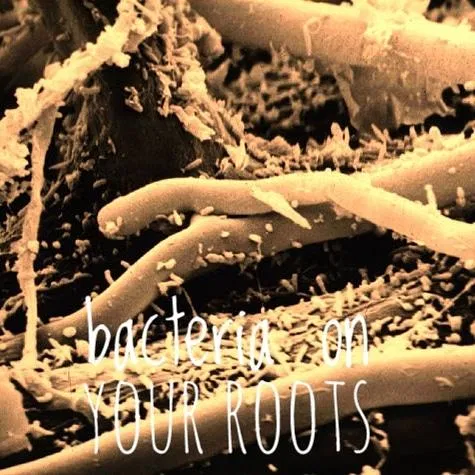
At Regen Soil, we developed Rhizo Logic® to represent the "Logic of the Rhizosphere." The rhizosphere is the narrow region of soil directly influenced by root secretions and associated soil microorganisms.
When you use a 5gal Living Soil setup powered by Rhizo Logic®, you aren't just planting in dirt. You are providing your plants with a pre-colonized environment where the bacteria and fungi are already hard at work. This "bio-active" approach ensures that from day one, your plants have a high-functioning immune system.
Boosting the Process with Terrabiotics
For those looking to accelerate their soil restoration, we often recommend Bio-boost, a signature product from Terrabiotics. While Rhizo Logic® focuses on the soil environment itself, Bio-boost acts as a microbial stimulant, "waking up" dormant biology and providing the essential catalysts needed for rapid nutrient cycling. It’s like giving your soil microbes a high-energy breakfast.
Practical Steps for the Beginner Regenerative Grower
If you’re ready to start, we suggest following this step-by-step process:
- Assess Your Starting Point: You can't fix what you don't understand. We highly recommend an ISH Assessment (Initial Soil Health Assessment). This isn't your standard N-P-K test; it’s a deep dive into your soil's biological activity.
- Stop the "Cides": Eliminate or drastically reduce synthetic fertilizers, pesticides, and herbicides. These salts and chemicals are toxic to the very microbes you are trying to cultivate.
- Inoculate with Biology: Use high-quality compost or microbial inoculants. This reintroduces the "good guys" to your soil.
- Monitor with Data: Use modern tools to track your progress. We use devices like the Regen Soil Pulse to monitor moisture, temperature, and electrical conductivity in real-time.

Addressing the Fungal-to-Bacterial Ratio
A common mistake beginners make is ignoring the balance of their microbiome. Different plants prefer different soil ratios. For example, most annual vegetables prefer a soil dominated by bacteria, while trees and many perennial shrubs prefer a fungal-dominated environment.
In the world of specialized cultivation, finding that balance below is the key to maximizing terpenes and yields. Soil restoration is about nudging the ratio toward the specific needs of your crop.
FAQ: Common Questions from New Regenerative Farmers
Q: Is regenerative farming more expensive than conventional?
A: Initially, there may be costs associated with high-quality amendments and testing. However, over time, your costs decrease significantly because you no longer need to buy expensive synthetic fertilizers or pesticides. The soil begins to do the work for you.
Q: How long does it take to see results?
A: You will see improvements in plant vigor almost immediately (within one season) once you stop using harsh chemicals. However, true soil restoration and the buildup of significant organic matter usually take 3 to 5 years of consistent practice.
Q: Can I do this in a small backyard garden?
A: Absolutely! Regenerative principles apply whether you have 1,000 acres or a 4x4 raised bed. Using living soil in containers is one of the best ways for beginners to see the power of microbiology firsthand.
Join the Regeneration Movement
Mastering soil microbiology is a journey, not a destination. By choosing to work with nature rather than against it, you are contributing to a global movement that aims to heal our planet, one acre: or one pot: at a time.
If you're feeling overwhelmed, don't worry. We’ve helped countless growers transition to sustainable, high-yield systems through our consulting services. Whether you need a full soil audit or just a better understanding of how to use Rhizo Logic® products, we are here to mentor you.
What is your biggest challenge in moving away from synthetic fertilizers? Drop a comment below or reach out to us for personalized guidance. Let's grow together!


