
Regenerative Agriculture 101: A Beginner’s Guide to Mastering Living Soil at Home
By Jeremy Standring
If you’ve been hanging around the gardening or cannabis cultivation scenes lately, you’ve probably heard the term regenerative agriculture tossed around more than a hacky sack at a Phish concert. But what does it actually mean for the average person with a backyard garden or a few tents in the spare room?
At Regen Soil, we don’t look at soil as just a medium to hold up a plant. We look at it as a complex, bustling metropolis of microscopic life. Moving from traditional "chemical" gardening to regenerative practices isn't just a change in fertilizer; it's a total paradigm shift. It’s about moving from being a "plant feeder" to becoming a "microbe manager."
In this guide, we’re going to break down the fundamentals of living soil, the core principles of soil restoration, and how you can apply these professional-grade concepts at home using our Rhizo Logic® philosophy.
What is Living Soil, Anyway?
In conventional agriculture, soil is often treated like a sterile sponge. You pour synthetic nutrients in, the plant sucks them up, and anything left over washes away into the groundwater. Regenerative agriculture flips the script. We focus on building living soil, an ecosystem where bacteria, fungi, protozoa, and nematodes do the heavy lifting of nutrient cycling.

When you have a thriving soil microbiome, the plants and the microbes enter into a biological contract. The plant pumps out carbon-rich sugars (exudates) through its roots to feed the microbes, and in exchange, the microbes mine the soil for minerals and protect the plant from pathogens. This is the essence of soil restoration: bringing the "biology" back to the "geology."
The 5 Core Principles of Regenerative Soil Management
Whether you are managing a thousand-acre farm or a 5-gallon living soil pot, the rules of nature remain the same. To master living soil at home, you need to follow these five commandments:
1. Minimize Soil Disturbance
In the traditional world, we were taught to till the earth until it looks like coffee grounds. In the regenerative world, tilling is a crime. Every time you turn the soil, you’re essentially running a giant blender through a microscopic city. It shatters fungal hyphae and collapses the soil structure. No-till methods keep the "infrastructure" intact.
2. Maximize Crop Diversity
Nature hates a monoculture. In your home garden, planting the same thing in the same spot over and over leads to "soil fatigue" and pest build-up. Diversity above ground leads to diversity below ground. We highly recommend using cover crops to keep the microbial community varied and vibrant.
3. Keep Living Roots in the Soil
Microbes need to eat. If there are no living roots in the soil, the microbes go dormant or die off. By keeping plants growing year-round (or using cover crops during the off-season), you ensure the "carbon tap" stays open, keeping your living soil fueled up and ready for action.
4. Keep the Soil Covered
Bare soil is dying soil. Exposed dirt is subject to erosion, UV damage (which kills microbes), and moisture loss. Use mulch, straw, or living "green mulches" to protect the surface. Think of it as a skin for your soil.
5. Integrate Biology (The Rhizo Logic® Way)
This is where we step in. Soil restoration isn't just about leaving things alone; it's about actively reintroducing the beneficial organisms that have been lost to years of chemical use. Our Rhizo Logic® line is specifically designed to inoculate your growing medium with the high-performance microbial populations needed to kickstart the system.
Getting Started: Your Home Soil Restoration Plan
So, you’re ready to ditch the bottled salts and start a regenerative garden? Here is how we recommend you begin:
Step 1: The Assessment
Before you add anything, you need to know what you’re working with. Most home growers are flying blind. We recommend an ISH Assessment to get a scientific baseline of your soil's health. You can’t fix what you haven't measured.
Step 2: Choose Your Medium
If you’re starting from scratch, don’t just buy "potting soil." Look for a high-quality living soil base. If you’re a cannabis grower, the Living Soil vs. Super Soil debate is worth a read, but generally, you want a medium that prioritizes microbial diversity over raw N-P-K numbers.
Step 3: Inoculate and Amend
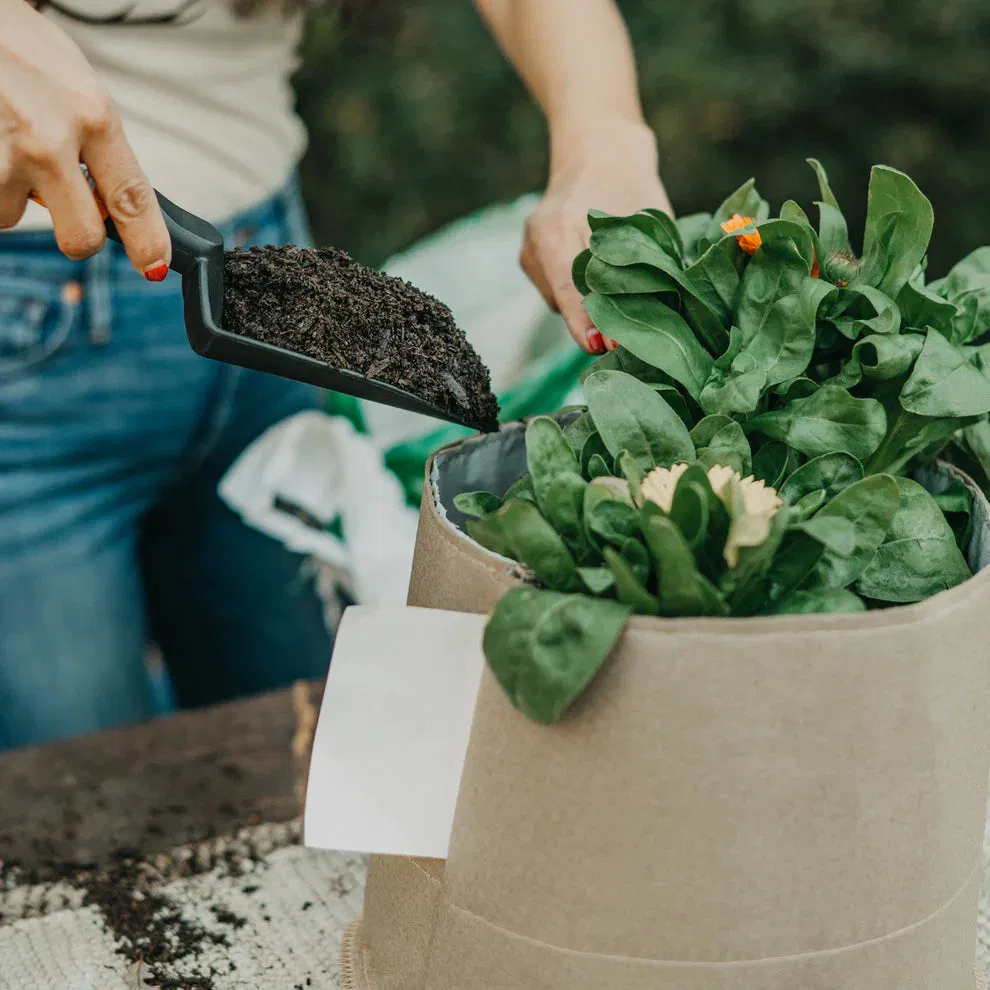
Once you have your soil, it’s time to bring it to life. This is where you use science-backed amendments.
A Note on Products:
- For Living Soil Systems, we use Rhizo Logic® products to establish the fungal and bacterial networks.
- For a metabolic "kick," we often integrate Bio-boost (a Terrabiotics product) to provide the secondary metabolites and catalysts that speed up the plant’s internal machinery.
Systems Thinking: The "Why" Behind the "How"
Regenerative agriculture is "systems thinking" in action. Instead of seeing a nitrogen deficiency and reaching for a bottle of 10-0-0, a regenerative grower asks: "Why is the biological cycle not providing nitrogen?"
Perhaps the fungal/bacteria ratio is off (which you can learn more about here). Or perhaps your protozoa populations aren't high enough to "poop out" the nitrogen the bacteria have collected.
When you focus on the system, the individual problems (like pests or nutrient lockouts) often solve themselves. Healthy, biologically active plants produce complex terpenes and alkaloids that act as natural defense systems.

Monitoring Your Progress
One of the biggest hurdles for beginners is the "black box" nature of soil. How do you know if it's working? In the old days, you’d wait for the plant to turn yellow and then panic. Today, we use tech.
Monitoring metrics like Electrical Conductivity (EC), moisture levels, and temperature allows you to make "micro-adjustments" before they become "macro-problems."

By keeping your soil in the "Goldilocks zone," you ensure the microbes are always working at peak efficiency. If the soil gets too dry, the microbes go dormant. Too wet, and they drown (anaerobic conditions). We aim for the sweet spot where life flourishes.
Tips for Different Experience Levels
For the Absolute Beginner
- Start Small: Try one or two 5-gallon pots of living soil.
- Don't Over-water: Living soil holds moisture differently than coco or peat.
- Be Patient: Biology takes a little longer to "rev up" than synthetic chemicals, but the finish line is much more rewarding.
For Experienced Growers
- Focus on the Rhizosphere: Start experimenting with specific microbial inoculants like Rhizo Logic®.
- Microscopy: If you really want to level up, get a microscope and start identifying your own soil inhabitants.
- Cycle Your Soil: Don't throw your soil away after one run. Re-amend it, re-inoculate it, and watch it get better every year.
FAQ: Common Living Soil Questions
Q: Does living soil attract more pests? Actually, it’s usually the opposite. While you might see more "life" (like beneficial soil mites), a healthy ecosystem prevents any one pest from taking over. If you do run into issues, like fungus gnats, there are biological solutions that don't involve toxic sprays.
Q: Is regenerative agriculture more expensive? Initially, the setup (quality soil and inoculants) can be higher. However, because you are reusing your soil and letting microbes do the work, your long-term costs drop significantly. You stop buying "disposable" dirt and start building an "asset."
Q: Can I use Rhizo Logic® with my current fertilizer? Rhizo Logic® is designed to thrive in organic systems. If you are using heavy synthetic salts, you might kill off the very microbes you’re trying to establish. We recommend transitioning to an organic or "biologically-led" feeding schedule for the best results.
Join the Soil Revolution
Regenerative agriculture isn't just a trend; it's a return to how nature intended plants to grow. By mastering living soil at home, you aren't just growing better plants: you’re contributing to a larger movement of soil restoration and environmental health.
At Regen Soil, we’re here to help you navigate this transition. Whether you need a deep-dive RSI Method consultation or just want to grab some high-quality microbial brew, we've got your back.
What’s your biggest challenge with moving to living soil? Drop a comment below or reach out to us for a personalized assessment. Let’s grow something amazing together.
Want to learn more about the man behind the microbes? Meet Jeremy Standring and find out why he's obsessed with the world beneath our feet.


